















Travel-Friendly Organization: How to Pack a Pencil Case That Keeps Pencils Sorted

Travel-Friendly Organization: How to Pack a Pencil Case That Keeps Pencils Sorted
When you’re on the go—whether you’re hopping between coffee shops for writing sessions, catching flights for a sketching trip, or commuting to classes—the last thing you want is a chaotic jumble of pencils, pens, and erasers rattling around in a bag. A well-organized pencil case isn’t just about tidiness; it’s about efficiency, protection, and a smoother creative or work flow wherever you travel. The right setup keeps your supplies sorted, makes essential tools easy to find, and minimizes the risk of broken graphite, lost tips, or leaking ink in transit. In this guide, we’ll explore practical strategies to pack a travel-friendly pencil case that stays sorted, compact, and durable, no matter what your itinerary looks like.
Why a Well-Organized Pencil Case Matters When You Travel
Travel introduces variables that home storage doesn’t—the pace of movement, changing climates, and limited space. Without a thoughtful system, pencils can jumble, caps can go missing, erasers can shed fragments, and small items can slip through gaps. A purpose-built pencil case with intentional compartments acts like a portable workshop: everything has its place, stays put, and is easy to access in moments of need. Here are a few key benefits to aim for:
- Protection from damage: Pencils that rattle against zippers or other items can snap, dull, or splinter. Individual slots or snug elastic loops reduce movement and keep tips intact.
- Time saved: Sorting pencils by type or color before you pack means less rummaging later. A clear labeling system helps you grab exactly what you need in one motion.
- Space efficiency: Travel-size cases with adjustable dividers maximize your footprint, letting you carry a broad range of pencils without ballooning your bag.
- Moisture and dirt protection: Durable exteriors and sealed compartments help guard against rain, humidity, and dust when you’re moving from place to place.
- Comfort and portability: A case that fits your routine—slim and pocketable for quick trips, or rugged for longer journeys—reduces fatigue and improves reliability.
Ultimately, an organized pencil case translates into less chaos and more creative momentum. You’ll open your bag, locate your tool of choice, and dive into your task with confidence, whether you’re drafting in a hotel room, sketching on a park bench, or taking notes in a thunderstorm of a train ride.
Know Your Pencils: What Might Need Sorting
Before you choose a case, take stock of what you actually carry. The sorting strategy you adopt should reflect your pencil repertoire, the kinds of work you do, and how often you switch between tools. Here are the common categories you’ll want to consider and why they matter for travel:
- Graphite pencils: Standard drafting or writing pencils come in varying hardness grades (HB, 2B, 4H, etc.). Keeping them neatly grouped helps you grab the right lead strength for the task and prevents graphite dust from contaminating other items.
- Mechanical pencils: These often use pressurized leads of different thicknesses (0.3, 0.5, 0.7 mm). Sorting by lead size or by brand can save you from fumbling when you need a finer line on the go.
- Colored pencils: These can be prone to breakage when packed loosely. Sort by color family (earth tones, blues, reds) or by usage (sketching vs. color rendering) to keep caps and cores intact.
- Ergonomic considerations: Some people like separate erasers, sharpeners, and rulers. Sorting by accessory type ensures you don’t hunt through a pile for a sharpener in a pinch.
- Specialty tools: Mechanical pencil leads, spare tips, brush blends, or charcoal sticks may require dedicated pockets to prevent staining or breakage of other items.
By understanding your toolkit, you can design a sorting approach that minimizes cross-contamination (graphite on erasers, for instance) and ensures a smooth path to drawing or writing wherever you are.
Choosing the Right Pencil Case
The foundation of travel-friendly organization is the case itself. The right case has a combination of durability, layout, and portability that matches your needs. Consider these factors when selecting a pencil case for travel:
- Size and capacity: If you tote a large set, you’ll want a case with multiple compartments or dividers. For a minimalist kit, a compact sleeve with elastic loops might suffice.
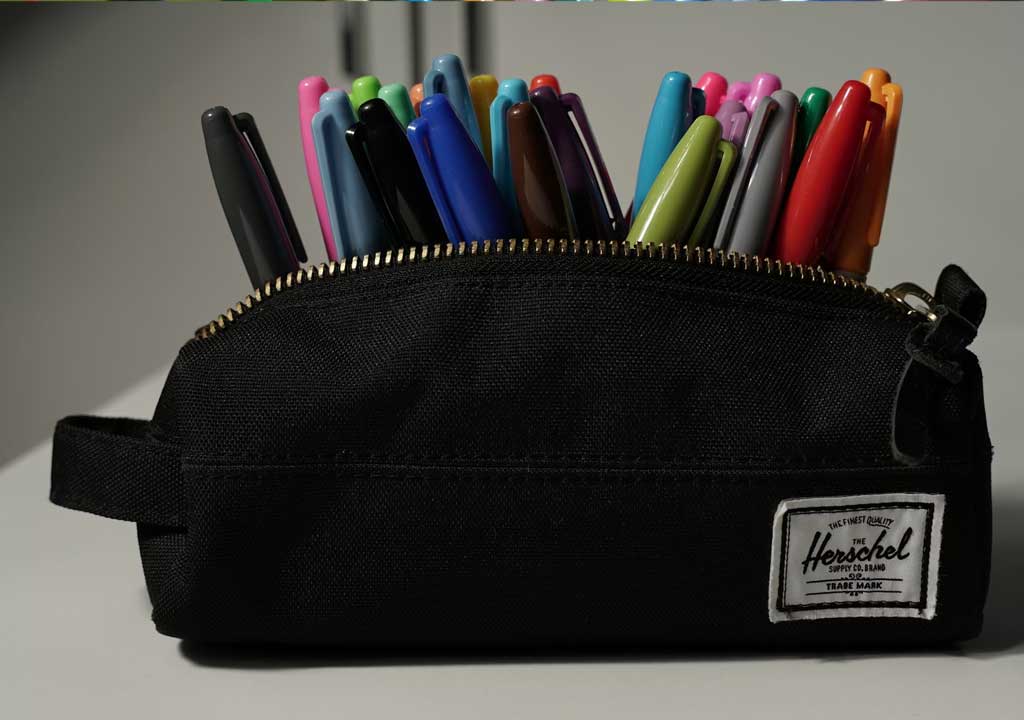
- Material and build: Look for water-resistant fabrics, reinforced seams, and durable zippers. A hard-shell case offers maximum protection against crush injuries during transit, while a soft-sided case saves weight.
- Internal layout: Consider cases with adjustable dividers, mesh pockets, elastic bands, and a clear inner pocket for quick visibility. The more you can customize the compartments, the easier it is to keep pencils sorted.
- Accessibility: A design that allows one-handed access and quick visual checks helps you stay productive rather than hunting through compartments at every step.
- Weight: Lightweight materials matter when you’re balancing a loaded bag for travel days with stairs, escalators, and gates to navigate.
- Maintenance: Cases that are easy to wipe clean and quick to dry after damp travel days will serve you longer.
There are several popular designs that travelers gravitate toward:
- Modular cases: Stackable and adjustable with removable inserts. They’re especially useful if you frequently reconfigure your kit for different trips.
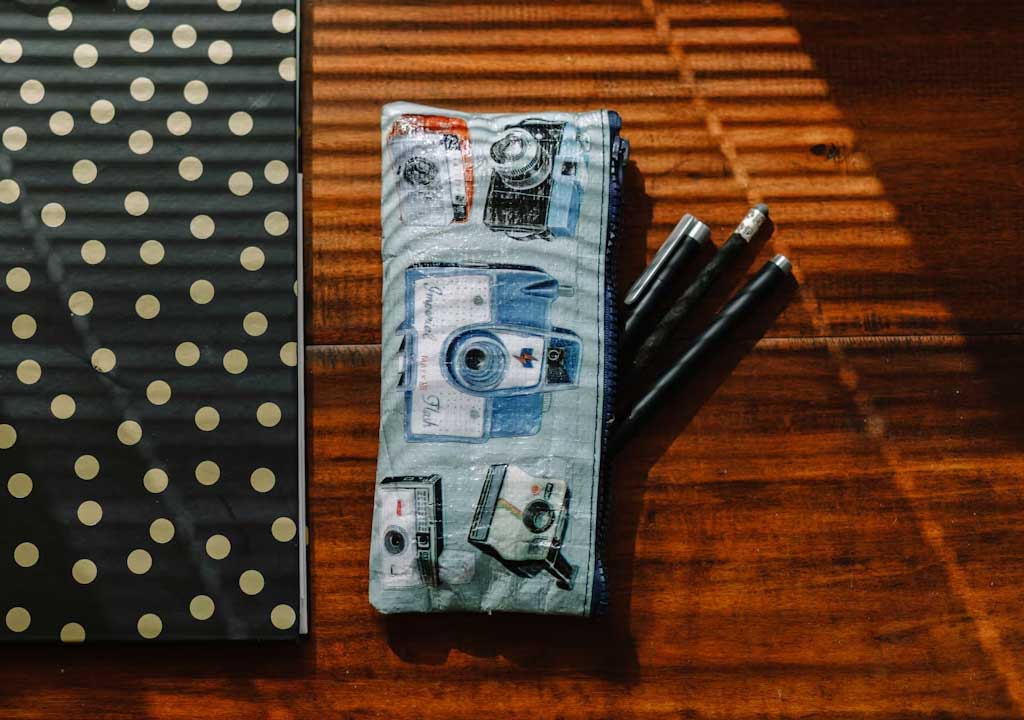
- Roll-up pouches: Flexible and compact, these are ideal when you want to conserve space in a backpack or carry-on. They often feature elastic loops and small pockets for organization.
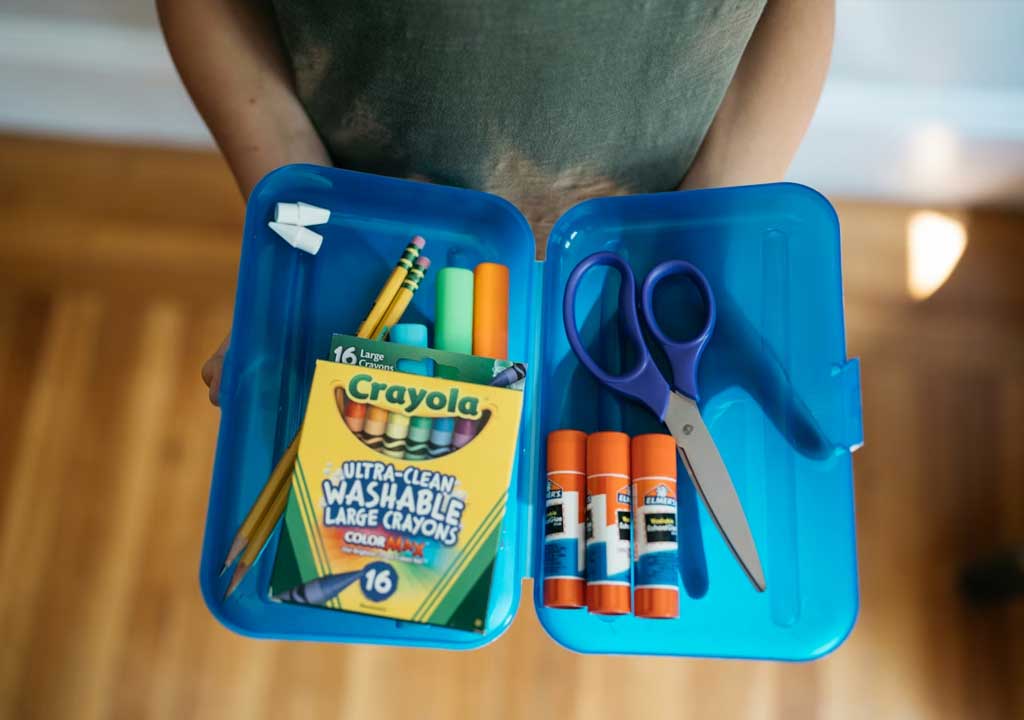
- Hard-shell shells: Rigid exteriors protect fragile items. If you’re packing travel journals or tech accessories alongside pencils, this design minimizes the risk of crushing others’ tools.
- Slim cases with elastic loops: Perfect for a quick trip with a minimalist kit. The emphasis is on quick access and minimal bulk.
Choose a case that aligns with your typical travel routine. If you’re often on the move and rely on public transit, a compact, rugged option might be best. If you’re a sketch traveler who needs a broad color range, you might opt for a modular system that can expand as your palette grows.
Sorting Principles: How to Separate and Label
Sorting is the core strategy of protected pencils and easy access. A good sorting system is intuitive, visible, and adaptable. Here are practical sorting principles to implement in your pencil case:
- Type-based sorting: Place graphite, colored, and mechanical pencils in distinct sections. This prevents cross-contamination of graphite dust with color pigments and reduces the chance of crushing delicate colored leads.
- Thickness and lead type: For mechanical pencils, create a pocket for different lead sizes (0.3/0.5/0.7 mm). If you seldom switch between sizes, one dedicated pocket may suffice; if you do a lot of drafting, multiple small pockets help keep them organized.
- Color family organization: Within color pencils, arrange by color family (neutrals first, then cool tones, then warm tones). For quick color matching, an order by spectrum makes sense and speeds up your workflow.
- Usage frequency: Position the most-used pencils at the front or in the most accessible pocket. Occasionally-used tools can live in the deeper pockets.
- Labeling and visibility: Use subtle labels or color-coded elastic loops to mark sections. If your case has transparent pockets, leverage visibility to quickly locate items without rummaging.
- Maintenance markings: A tiny reminder label for “spare leads” or “erasers” can prevent misplacement during a busy travel day.
Labeling helps especially when you share a case with others or when you’re collaborating on a project where different team members use different tools. Even a small, removable sticker can be a helpful cue to keep things in their assigned spots.
Packing Techniques: Step-by-Step Guide
Here’s a practical, repeatable packing routine to ensure your pencils stay sorted and protected as you travel. Adapt these steps to your case type and personal workflow.
- Empty and clean: Start with an empty case. Wipe down the interior to remove dust or graphite smudges. A clean slate helps you see how much space you have and where to place items.
- Assess your inventory: Gather all pencils and related tools you plan to carry. Remove any broken pencils, stray scraps, or items you don’t actually need on the trip.
- Group by category: Separate graphite pencils, colored pencils, mechanical pencils, erasers, sharpeners, and other accessories into distinct piles. This simplifies the initial layout.
- Decide on a layout: On a flat surface, sketch or visualize where each group will sit in the case. If you have adjustable dividers, set them to create the smallest effective compartments for each group.
- Place the most-used items in front: Keep your primary drawing or writing tools most accessible. Reserve the front-facing pockets or top compartments for these.
- Insert protective measures: For colored pencils, place them in a section with dividers or in sleeves to minimize blade-like chalky points from rubbing together. You can add a thin piece of sponge or soft fabric as a buffer in deeper pockets.
- Use elastic loops for security: If your case has elastic loops, thread pencils through the loops to hold them upright and prevent shifting during transit. This also reduces rattling.
- Buffer and space optimization: If you have spare space left, fill it with small protective sleeves or a few spare erasers tucked into a shallow pocket—again, keeping them separate from graphite to avoid stains.
- Test the fit: Close the case and gently shake it to see if items stay in place. If something rattles, reallocate or tighten dividers until you’re satisfied with the stability.
- Label or memorize zones: If you used labels, ensure they stay visible after closing. If not, memorize the quick organization pattern you created for fast re-packing on future trips.
After you’ve finalized your packing, make it a habit to re-check the arrangement at the end of the day. Travel can jostle items, and a quick re-adjustment can prevent breakage the next day.
Case Designs and Features to Look For
To keep pencils sorted while on the road, certain design features in a pencil case can make a significant difference. Here are the key features to look for and why they matter:
- Adjustable dividers: A modular interior that can be reconfigured as your toolkit evolves. This is especially valuable for travelers who frequently modify their pencil assortments for different projects or destinations.
- Elastic loops and pockets: Elastic loops are excellent for keeping pencils upright and separated, while mesh or fabric pockets help with visibility and organization of small items like sharpeners or erasers.
- Clear panels: Transparent pockets help you identify contents quickly without opening every compartment, saving time during travel or in morning routines.
- Hard vs. soft shells: A hard-shell case offers robust protection against bumps and crushes, making it ideal for carry-on packing and rough handling. Soft cases save weight and are more flexible in tight spaces.
- Water resistance and durability: Weather-resistant fabrics or coatings protect pencils from humidity and light rain—crucial for outdoor sketch trips or rainy commutes.
- Internal organization accessories: Built-in sharpeners, eraser compartments, or tiny extra pockets can be beneficial, but ensure they don’t crowd the primary pencil slots. A compact pocket for a spare lead set or extra nibs can be handy.
- Lockable closures or zippers: For long journeys, secure closures can prevent accidental openings and keep contents stable, especially when you’re moving through busy airports or train stations.
When evaluating a case, think about how your workflow translates to travel. If you’re primarily writing on the move, prioritize quick access and clear visibility. If you’re sketching and coloring, focus on robust protection for the color pencils and a layout that minimizes lead breakage.
Materials and Protection: Keeping Pencils Sorted and Safe
Material choice influences performance as much as the layout. The material sets the tone for durability, protection against accidental spills, and weight. Here are common materials and how they fare in travel conditions:
- Nylon or canvas fabrics: Durable, flexible, and relatively lightweight. Water-resistant versions offer better protection in damp climates. They’re easy to clean and maintain, though they may wear over time with heavy use.
- Polyester or coated fabrics: Often more water-resistant than untreated fabrics. These can be a good choice for long trips or mixed weather conditions. They’re also easier to wipe clean if graphite or pigment dust stains appear.
- Hard-shell plastic or aluminum: Maximum protection against crushing and moisture intrusion. They’re bulkier but can bear rough handling in luggage compartments or tight overhead bins.
- Foam inserts or padding: Helps cushion pencils against impact and reduces rattling. If you plan to fly or hike with delicate pencils, this feature becomes increasingly valuable.
- Zippers and seams: Look for reinforced zippers and double-stitch seams. A zipper that catches or splits can ruin a trip—choose quality hardware for reliability.
Protection also hinges on how you pack: wrap sharp pencils in soft fabric, or keep polypropylene sleeves around colored pencils to avoid pigment transfer. If you carry a sharpening tool, designate a pocket with a shallow clearance so the blade doesn’t nick other items. A slightly padded divider between graphite and color pigments can be a small but meaningful safeguard.
Maintenance and On-the-Road Care
Even the best-organized pencil case benefits from a quick maintenance routine. Travel days are long, and things can shift. A few simple habits can extend the life of your pencils and keep your case in top shape:
- Wipe down graphite dust: Carry a small microfiber cloth to wipe graphite residue from pencils after use. This helps prevent pigment transfer and keeps your case cleaner over time.
- Regularly inspect compartments: Check for wear on elastic loops and zippers. Replace a stretched loop or faulty zipper early to avoid a full breakdown mid-trip.
- Rotate items: Swap out frequently used pencils to keep the load balanced across pockets. A quick rotation reduces wear on any single area of the case.
- Keep erasers clean: Erasers can pick up pigments or graphite. Periodically wipe erasers with a dry cloth, or use a soft brush to remove residue before placing them back with other pencils.
- Dry after exposure to moisture: If your case or contents get damp, open the case and allow air to circulate. Avoid closing it while still damp, as moisture can promote mold or unpleasant odors.
Planning a post-trip reorganization routine is also wise. When you return to your workspace, empty the case, check every compartment for damage or foreign particles, and refresh any worn components. A little upkeep keeps your setup dependable for many trips to come.
Real-World Scenarios: Adjusting Your Setup for Different Trips
Your travel needs will vary by trip. Here are a few common scenarios and how you might adjust your pencil case to stay sorted and efficient:
- Daily commute and meetings: Prioritize quick access. Use a slim case with 3–4 front-facing pockets for your go-to pencils (HB graphite, 0.5 mm mechanical, and a favorite color pencil), plus a mini eraser in a small mesh pocket. Keep a spare lead tube or two in a shallow slot so you don’t have to rummage through the whole case during a rush.
- Weekend sketch trip: Expand your color palette with a modular interior that allows more color pencils and a small travel sharpener. Use clear sleeves so you can see each color without opening pockets. Consider a harder shell to protect fragile nibs and tips.
- Long-haul travel with notebooks: Combine your pencil case with a notebook-friendly setup. A roll-up pouch with wider elastic loops can hold both pencils and a compact ruler. A front zip pocket can store spare erasers and a tiny brush for blending paper textures on the go.
- Urban photography and journaling: Sort by tool usage: graphite for notes, black ink for captions, color pencils for art accents. A transparent inner pocket helps you grab the exact color quickly when annotating photos or sketches in dim light.
Adaptability is the core benefit of a travel-ready pencil kit. A modular or adjustable approach allows you to reconfigure quickly for different settings, from a crowded train to a quiet hotel desk.
Organization Mindset: Habits That Keep Your Pencils Sorted Day After Day
Beyond the physical setup, cultivating simple habits makes your pencil organization durable and repeatable. Here are practical practices to keep your pencils sorted with minimal cognitive load:
- Develop a packing ritual: Create a routine for packing at the end of every workday or trip. Even 60 seconds of organization can make a big difference over weeks or months.
- Keep a small checklist: A one-page checklist inside your case lid or in a notebook can remind you of your sorting rules and what goes where.
- Color-coding: Use color-coded elastic loops or labels to quickly identify categories at a glance. It reduces decision fatigue when you’re in a hurry.
- Digital inventory (optional): If you carry many tools, maintain a simple digital inventory (even a note in your phone) of what’s inside. It helps you reorder or replace items when you’re back home.
- Consistency: Keep to the same layout for similar trips. Consistency reduces the cognitive overhead of learning a new system each time you travel.
As with any organizational system, the best approach is the one you’ll actually use. Start simple, test a layout for a week, and adjust. Your future self will thank you when you don’t have to hunt for a critical pencil during a demanding travel day.
Pro Tips: Small Details That Make a Big Difference
These compact ideas can have outsized benefits for travel-friendly organization:
- Protect tips with cap or capless design: If your pencils have caps, ensure they’re snug. For capless designs, consider eke a small protective sleeve to prevent tip damage during transit.
- Prevent ink leaks from pens: If you carry ink pens, keep them in a separate section with a waterproof layer. A tiny leak can ruin a whole assortment if not isolated.
- Use a tiny travel sharpener: A compact, dual-hole sharpener keeps your pencils ready without taking much space. Store it in a front pocket away from pigments to avoid contamination.
- Spare leads and nibs: For mechanical pencils, carry a small vial or tube of spare leads. Label the tube to prevent confusion with other items.
- Label the case lid: A simple label on the lid can remind you of your organization pattern—handy when you return after a trip and want to re-pack quickly.
These small steps reinforce good habits and prevent small annoyances from becoming bigger problems when you’re on the move.
Sample Packing Checklist
Use this checklist to assemble or audit your travel pencil kit. You can print it or keep it in your phone for quick reference before a trip.
- 1–2 graphite pencils (HB or 2B) with protective caps
- 1 mechanical pencil with 2–3 spare lead sizes (0.5 mm and 0.7 mm are common)
- 6–12 colored pencils in a manageable color range
- 1 compact eraser and a separate mini eraser piece
- 1 travel sharpener
- 1 small ruler (6–8 inches/cm scale)
- 1 spare lead tube or container for mechanical pencils
- 1 small brush or cloth for cleaning graphite dust
- 1 spare nib or clutch for specialized pencils (optional)
Adapt the list to your actual toolkit. The goal is a balanced kit that is easy to reach and impossible to confuse.
Putting It All Together: A Weekly Plan for a Travel-Ready Pencil Case
To make this approach actionable, here’s a simple weekly routine you can follow to keep your pencil case travel-ready and neatly sorted:
- Sunday night: Reassess your kit. Remove anything you didn’t use in the past week and replace it with essentials. Clean the interior and inspect each compartment for wear.
- Monday morning: Pack using the sorting principles. Place your most-used items in front pockets and ensure colored pencils stay in their designated slots.
- Midweek check: Quick visual inventory. If you’re traveling on the upcoming weekend, do a micro-rotation to keep the most needed tools front and center.
- After travel: Debrief. Note any items that are missing or damaged. Replace as needed and adjust your layout for the next trip.
With a consistent routine, your travel pencil kit remains a reliable workhorse rather than a point of friction during busy days on the road.
Conclusion: Embrace Travel-Ready Organization for Better Creative Momentum
A pencil case that keeps pencils sorted is more than a storage solution—it's a portable workspace. By selecting the right case, sorting by type, color, and usage, and maintaining a practical packing routine, you turn travel days into productive, low-friction experiences. You’ll spend less time rummaging and more time drawing, drafting, or jotting down ideas. The result is a smoother creative or professional journey, no matter how many miles you cover or how many time zones you cross.
Remember, there isn’t a one-size-fits-all answer. The ideal travel pencil kit is the setup you’ll actually use, fits your typical trips, and can adapt as your toolkit evolves. Start with a simple layout, then expand or reconfigure as your needs change. Small, thoughtful design choices—like elastic loops, modular dividers, and durable materials—pay off in big ways when you’re navigating hotel rooms, airports, trains, or quiet cafés with a solid, sorted pencil kit by your side.
Final Notes and Encouragement
If you’d like, you can share photos of your own pencil case layouts or ask for ideas to tailor a setup to a specific travel scenario (e.g., student trips, business travel, or art retreats). I’m happy to help tailor a sorting strategy that fits your tools, your bag, and your travel habits. A well-packed pencil case is a small investment with a big return: it frees time, reduces frustration, and keeps your creative momentum moving forward—one well-organized pencil at a time.
LIKED THIS ARTICLE? SHARE IT: