















Sketching on the Road: Tips for Using Your Pencil Case While You Travel

Sketching on the Road: Tips for Using Your Pencil Case While You Travel
Travel changes the way you see the world, and sketching on the road is a wonderful way to slow down time, notice nuance, and carry a visual diary of your journey. The right pencil case can transform every trip into a portable studio, letting you sketch scenes, people, and moments wherever you land. The goal is simplicity, accessibility, and preparedness — a compact toolkit that travels light, protects your materials, and invites you to draw more often, not less.
In this guide, you’ll find practical advice on choosing a pencil case, packing a versatile set of sketching tools, preserving materials in transit, and developing quick-on-the-move techniques so you can sketch confidently in crowded stations, on moving trains, in cozy cafes, or under bright afternoon sun. Whether you’re a seasoned urban sketcher or a curious traveler who wants to doodle in spare moments, these tips will help you make the most of your pencil case while you travel.
Choosing the Right Pencil Case
Your pencil case is the heart of your portable studio. The wrong case can make you waste time digging for the exact pencil you want, or worse, spillinker—dust, graphite, and erasers everywhere. Here are key criteria to consider when selecting a case:
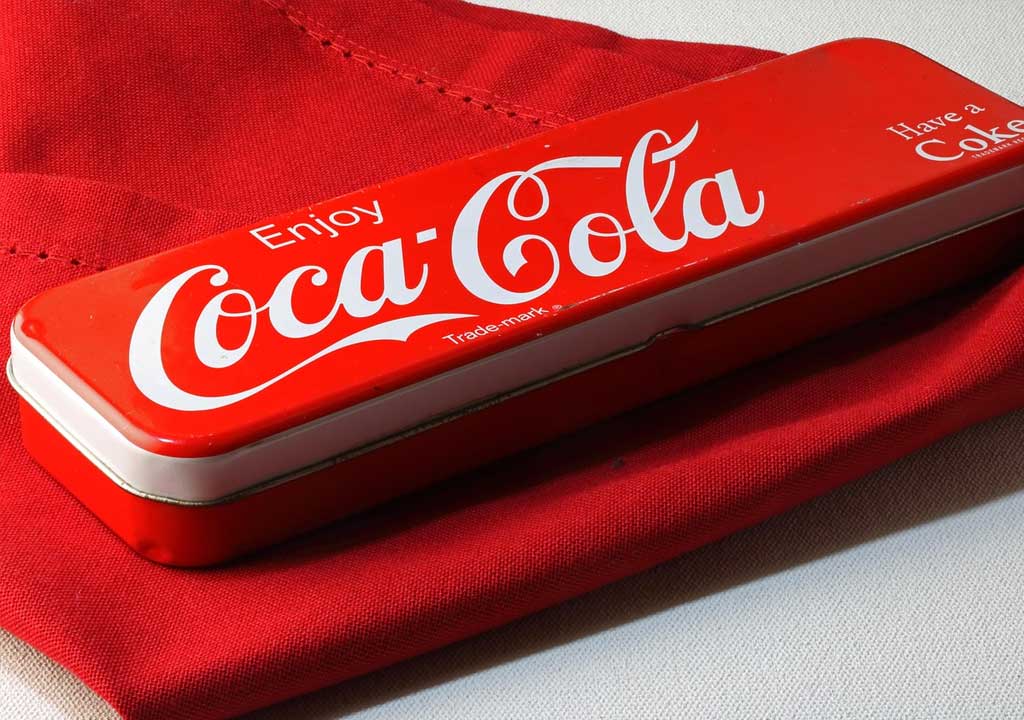
- Size and weight: Look for a case that fits in your daypack or jacket pocket but still holds a focused set of essentials. A compact, lightweight pouch tends to be more versatile for road trips than a bulky organizer.
- Structure and protection: Rigid or semi-rigid cases protect pencils from bending and prevent the tips from breaking when you’re tossing it into a bag. Fabric cases with padded dividers can also work well if you treat them with care.
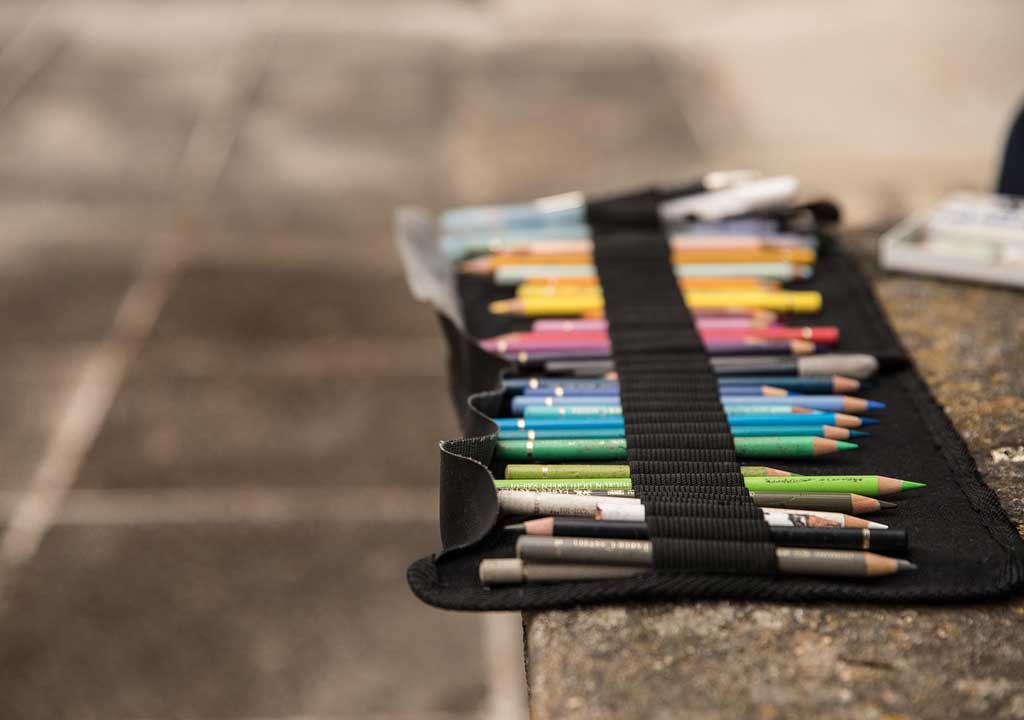
- Accessibility: Quick access is crucial when you’re traveling. A case with a wide opening, clear compartments, or elastic loops allows you to grab the exact tool you need without rummaging.
- Organization: Compartments, sleeves, and elastic loops help separate pencils, pens, erasers, and small accessories. Color-coding or labeling pockets can save you time on the move.
- Durability and weather resistance: Travel involves a range of climates. Choose materials that resist moisture and can withstand a few bumps along the way.
If you want to test a practical setup, start with a minimal kit and then expand as you learn what you actually use on trips. It’s easy to overpack; the art of travel sketching is learning to carry just enough to keep drawing, not to build a full studio in your bag.
Essential Gear for a Portable Sketch Kit
A well-chosen mixture of basic drawing tools will cover most of what you’ll want to sketch on the road: quick gestures, light shading, and confident line work. The aim is to balance flexibility with simplicity. Here’s a starter list you can customize:
- Pencils: A small selection of graphite pencils (e.g., 2B, 4B) plus a hard pencil like 2H for fine lines. A mechanical pencil (0.5 mm) with a couple of lead sizes can be very convenient for tight spaces and architectural details.
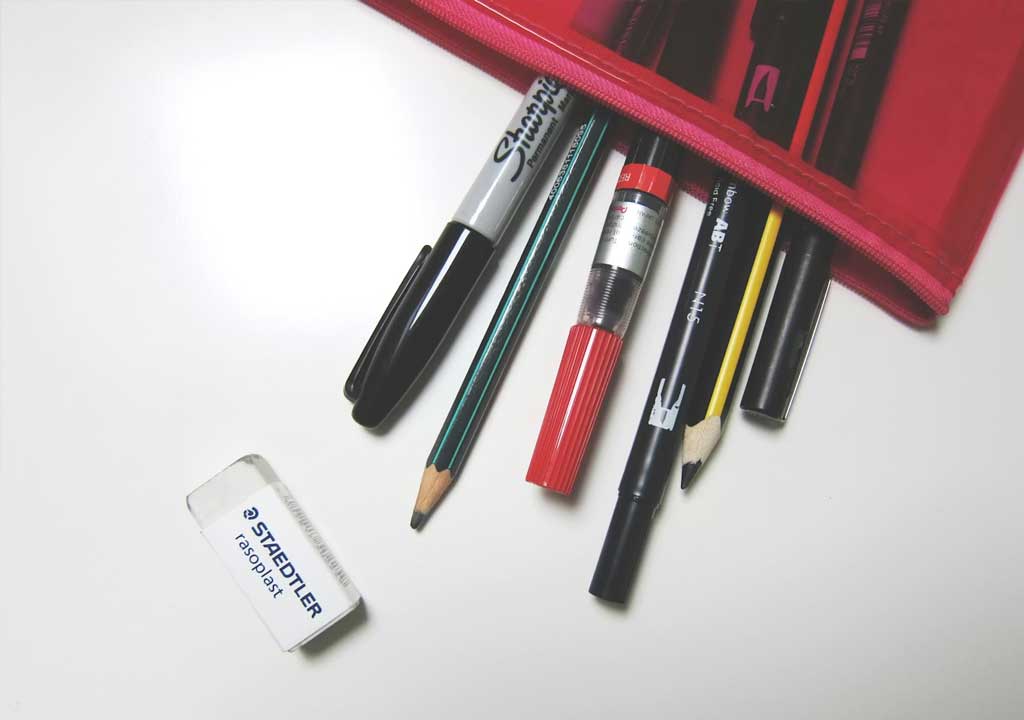
- Inks and pens: One or two reliable pens or fineliners (0.3–0.5 mm) for clean line work. A compact brush pen is great for quick washes or calligraphic marks. If you prefer, carry a fine liner for precise outlines alongside a flexible brush pen for texture.
- Charcoal and alternatives: A small charcoal stick or compressed charcoal can produce expressive values if you like a more tactile, chunkier line. Or carry a single piece of charcoal and use a stump for gentle shading in a pinch.
- Erasers and tools: A kneaded eraser for lifting graphite and a small vinyl eraser for crisp corrections. A tiny eraser shield or a pocket-sized sharpeners will help keep tips tidy on long trips.
- Paper choices: A small sketchbook, pocket notebook, or loose sheets (like 60–120 gsm for quick lines or 120–180 gsm if you like light shading). Consider a combination: a tight, smooth-surface notebook for precise lines and a textured pad for value and shading studies.
- Paper support: A lightweight portable board or a clipboard can hold a page steady on trains and planes where the surface is unstable.
- Tips for water-based ideas: If you want a touch of wash or watercolor on the go, a tiny water brush with a few water-stowable pigments can be life-saver. Practice quick wash techniques so you don’t spill water everywhere in transit.
- Optional extras: A small ruler, a pocket compass, or a tiny foldable clipboard can be handy for perspective studies or urban scenes.
Your core kit could fit in a small pouch, such as a compact zip case or a weekender’s pencil roll. The point is to have a functional, cohesive set that’s easy to carry and easy to refill as needed.
Paper Choices and Handling on the Road
Paper is the language of your sketches; the right surface makes drawing feel natural, while the wrong one can frustrate you and encourage you to abandon the page. On the road you’ll encounter variable light, moving subjects, and cramped spaces. Here are practical considerations:
- Weight and portability: For a traveler, pocket-sized or A6–A5 formats strike a sensible balance between comfort and drawing space. If you like larger scenes, choose a small travel pad (A5) that’s easy to carry around.
- Paper texture: A smooth surface (hot-pressed or smooth drawing paper) is ideal for fine lines and precise detail with pencils and pens. A lightly textured surface (tooth) holds graphite and charcoal more readily for shading but may slow you down a touch with very delicate lines.
- Paper weight: Look for 120–180 gsm (gram per square meter) for pencil shading, with 180 gsm or higher for light washes and watercolor on the go. If you’re strictly pencil, 120–140 gsm is often enough and lighter to lug around.
- Binding and durability: A glued binding tends to be lighter and thinner; a spiral-bound pad is convenient for turning pages mid-sketch and allows the page to lay flat on a rail car or café table.
- Protection: Carry a protective sleeve for your paper to prevent bent corners and smudges in your bag while you travel. Plastic sleeves can keep sheets clean during transit.
If you’re new to sketching on the road, test a few combinations before you leave: a compact pad for pencil work paired with a small pocket notebook for quick notes, plus a few sheets of simple graph paper or a ruled pad for planning layouts. This way you can choose the right surface depending on the scene.
Packing and Organizing Your Kit
Organization is the unsung hero of road sketching. It saves you time, reduces frustration, and helps you sketch more often. The trick is to keep your kit modular and accessible.
- Divide by function: Have separate zones for pencils, pens, erasers, and papers. A small zippered pocket for erasers and sharpeners, a mesh pouch for drawing tools, and a notebook sleeve for papers keep everything tidy.
- Use elastic loops and small cases: Elastic loops to hold pencils and pens in place prevent rolling and clipping in the bag. A tiny case within a larger bag keeps the essential tools within reach.
- Color-coding and labeling: If you carry a handful of different pencils and markers, color-coded bands or labels on the outside of your case can help you grab the right tool quickly.
- Protect fragile items: A soft foam or fabric divider can cushion delicate nibs or brush tips when you’re on the move. Keep your sharp tools behind a small divider to prevent poking through the fabric lining.
- Carry a spare pocket book: In transit, a spare notebook can be essential. It’s nice to keep a small unlined sketchbook for quick thought-doodles or gesture studies when you can’t commit to a longer piece.
Packing tips:
- Put frequently used tools in the most accessible pocket of your case or bag.
- Place fragile tools toward the top so they don’t crush other items.
- Keep a small wipe or cloth for cleaning tips and erasers battery-style to keep tips clean.
- Draft your travel kit with a light, breathable layout so you can add or remove items as needed without overhauling your setup.
As you travel more, you’ll discover your own rhythm: what to carry, how many pencils you actually use in a day, and which surfaces you prefer for sketching outside. Use your first few trips as experiments, and adjust your kit accordingly.
Sketching Techniques for Travel: Quick Gestures, Big Impressions
The road gives you fleeting moments: a street performer, a café window, a plaza, a moving train. Your challenge is to capture essence quickly, with minimal setup and maximum impact. Here are techniques tailored for portable sketching:
- Gesture drawing: Start with 15–30-second contour gestures to capture the overall movement and silhouette of a scene or figure. This teaches you to prioritize shape and movement over detail.
- Line economy: Use confident, decisive lines rather than uncertain, hesitant marks. If you’re stuck, switch to a larger brush or a thicker pencil to quickly establish mass before refining.
- Value half-tones: Create a quick value map in your head (dark, mid, light) and translate it to shading with a few simple strokes. This helps create depth even when you’re pressed for time.
- Stability and perspective: For architectural scenes, try sight-size or rough perspective guidelines in your head or on a separate sheet to keep proportions reasonable while you focus on atmosphere.
- Texture with marks: Use varied marks to convey texture without detailing every line. Hatching, cross-hatching, stippling, and scribbling can imply surface quality with minimal effort.
- Color discipline: If you add color, do it sparingly. A single wash or a few colored pencils can bring a sketch to life without making it messy to transport later.
- Layering and lifting: Practice lifting graphite with a kneaded eraser to create light reflections and highlights on shiny surfaces like windows or rain-damp streets.
On a moving train, for example, you might do a gesture of the landscape through the window in 30 seconds, then switch to a quick interior sketch of the carriage. In a café, you may sketch a barista’s hand movements while taking a coffee break. Each moment is an opportunity to translate the scene into lines on a page, and your pencil case makes it possible to capture those moments with minimal interruption to your day.
Sketching in Different Environments
Different travel settings require different approaches. Here are practical tips for common environments you’ll encounter:
- Urban streets and public markets: Focus on silhouettes, interesting storefronts, and people’s dynamic poses. Keep your kit stable with a collapsible clipboard, and consider using sweat-resistant pencils if you’re in a humid climate. A slim water brush can add a touch of shading to stone walls or signage.
- Trains and buses: Use the seatback or a window as a temporary desk, and sketch small scenes concentrated in a single spread. If there’s crowding, practice quick, tight gestures that capture the most important composition in a couple of lines.
- Airports and stations: Plan a “documentation” sketch: exit doors, signage, escalators, the rhythm of security checkpoints. Draw a small, repetitive motif that you can repeat to convey motion and energy without getting stuck on details.
- Cafés and parks: Observe light and shadow on faces and objects. A sunlit street scene becomes a study in values: light on the right, shadow on the left, with an occasional pop of color from signage or clothing.
In all cases, remember to be unobtrusive and respectful when sketching people. If someone seems uncomfortable, don’t push the drawing; switch to a different subject or keep drawings of still objects like buildings, furniture, or street surfaces. If you’re drawing a person in a public space, consider asking for permission if you plan to do a detailed portrait or a longer session. If they say no, gracefully switch to another subject. Ethical sketching is about making people feel comfortable and respecting their boundaries.
Maintenance, Care, and Longevity of Your Tools
Travel can be rough on pencils and papers. Here are strategies to keep your kit functional and reliable throughout your journey:
- Keep leads sharp and dust-free: Regularly clear pencil points to prevent breakage. Small sharpening stations are invaluable on the road; a pocket knife or a compact sharpener can be a lifesaver if you’ve run out of standard supplies.
- Protect nibs and tips: If you carry ink pens or brush tips, keep them capped and stored upright when possible. Blunt tips don’t offer the same control, and spilled ink can ruin a page when you’re on a moving vehicle.
- Control moisture and temperature: Pencils and paper can degrade with humidity or heat. Use a sealable pouch or a moisture-resistant case to protect your kit, especially in tropical climates or during rainy seasons. Do not leave ink open in direct sun for long periods; it can dry and clog tips.
- Keep erasers clean and fresh: Regularly wipe away graphite residue and keep kneaded erasers in a separate pouch to prevent residue from transferring to pages.
- Periodically review your kit: After each trip, evaluate what you actually used and what stayed unused. It will guide you in fine-tuning your setup for future journeys.
A small maintenance routine goes a long way. Wipe down surfaces, refresh leads, and swap worn-out tools for fresh options. A well-kept kit feels like your creative home away from home and makes sketching on the road a habit rather than a chore.
Digital and Analog Synergy: Scanning and Archiving On the Go
While you’re traveling, you may want to preserve your sketches digitally or create a portable archive. The synergy between analog drawing and digital workflows can be powerful, especially when you want to share your work or keep a cohesive travel journal.
- Photograph or scan pages: Use a smartphone to photograph or scan your sketches. A well-lit, overhead shot helps preserve details, and you can add dates and locations as captions for future reference.
- Edit and organize on the fly: Simple photo editing apps can improve contrast and clarity, helping your scans stay legible in a travel journal. Keep a basic system: location, date, scene type, and quick notes.
- Digital backups and export: Save your scans in a cloud service or on a travel hard drive. Create a quick folder structure like Year/Month/City/Sketches to stay organized as you travel.
- Hybrid sketching: Use digital tools to add color or refine lines after a sketching session, but keep the original analog drawing as the primary artifact of your travel experience.
A practical approach is to select a single device: a smartphone or a compact tablet. Use it for back-ups and quick edits, while your pencil case remains your primary creative engine. The combination allows you to sketch freely and still preserve your journey in a durable, shareable format.
Etiquette, Safety, and Respect While Sketching on the Road
Sketching is a social art, but travel adds considerations around privacy, safety, and courtesy. Here are guidelines to keep you respectful and considerate:
- Ask before portraying people in detail: In many places it’s respectful to ask permission before creating a detailed portrait of someone. If they decline, respect their choice and switch subjects.
- Be unobtrusive: Position yourself to avoid blocking aisles, doors, or entrances. In cafés, sit in a corner or table where your activity doesn’t disrupt others’ experience. Use a light touch and avoid drawing attention that makes others uncomfortable.
- Respect private spaces: In museums, galleries, or private shops, follow the rules. If sketching is allowed, keep your equipment compact and quiet.
- Carry minimal noise and materials: If you’re traveling on quiet trains or late at night, keep your kit contained and minimize the sounds of scraping pencils or rustling paper.
- Be mindful of signage and rules: Some venues restrict photography or sketching of certain scenes (e.g., sensitive infrastructure, security areas). If in doubt, ask staff or avoid the subject.
Being a considerate traveler-artist not only helps you get better sketches but also makes the experience enjoyable for everyone around you. Your etiquette becomes part of your artistic identity, and it can open doors to permission for more candid or interesting subjects as you travel.
Travel Mindset: Building a Sketching Habit on the Road
If you want to sketch more while you travel, the key is to make it easy and enjoyable to pick up your pencil. Build a tiny daily routine that fits into your travel schedule:
- Set a micro-goal: A tiny objective like “one page of quick city silhouettes” or “three gesture sketches in the morning” keeps you moving without pressure.
- Sketch before meals or during breaks: Use this window to practice quick phrases or scenes. A short session can yield a surprising number of ideas by the end of a trip.
- Keep a notebook handy: Make your sketchbook a regular companion. Slip it into a jacket pocket or a seat pocket so you can pull it out quickly when inspiration appears.
- Carry a comfort tool: A single pencil or pen, a small eraser, and a single sheet of paper can be enough for a spontaneous moment; having your “tried and true” tools on hand reduces hesitation to start sketching.
- Review and reflect: End the day with a short reflection on your sketches: what caught your eye, what you learned, what you want to explore next. This reflection will naturally sharpen your skills over time.
The road rewards those who show up with a pencil in hand, even if it’s just for a few minutes at a time. The habit builds quietly, and the sketchbook becomes a living map of your travels — a personal archive of color, light, and momentary expression you might otherwise miss.
Final Tips for Maximizing Your Pencil Case Experience While Traveling
To close, here are concise, actionable tips you can apply on your next trip:
- Pack light, but thoughtfully: Start with a minimal set and add only what you’ll actually use. It’s better to have a reliable few tools than a large, disorganized collection.
- Practice on real-world subjects: Use the environment around you as your classroom. Buildings, signs, and people in motion teach you about composition and value quickly.
- Protect your kit: Stash pencils and erasers separately from paper to prevent smudges and breakage during transit.
- Develop a quick setup: A stable surface (a small clipboard) and a single pencil can be enough for most on-the-go sketches. Don’t overcomplicate the setup.
- Be curious and generous: Sharing a line or a quick sketch with someone you meet can create memorable travel connections and enrich your experience.
Sketching on the road is about turning travel time into opportunities to observe, interpret, and annotate your surroundings. A well-chosen pencil case is not just a tool; it’s your portable studio, your memory keeper, and your invitation to notice the world more closely. With the right kit and the right habits, your next trip can yield a rich, ongoing sketchbook that travels with you wherever you go.
Happy drawing, and may your pencil case accompany you on many grounded, curious, and color-filled journeys ahead.
LIKED THIS ARTICLE? SHARE IT: