












Eco-Friendly and Durable: Everyday Pencil Case Essentials

Eco-Friendly and Durable: Everyday Pencil Case Essentials
In classrooms, home offices, and dorm rooms around the world, a pencil case is more than a simple storage pocket for pens and pencils. It’s a compact toolkit that travels with you through ideas, sketches, reminders, and deadlines. The modern pencil case has evolved far beyond a cheap fabric pouch. Today’s eco-conscious design blends durability with responsible materials, so your everyday essentials stay organized while you tread more lightly on the planet. In this guide, you’ll find practical, durable, and eco-friendly strategies to select, pack, and care for the pencil case that will accompany you through countless notes, diagrams, and doodles.
Why eco-friendly matters for everyday writing tools
Choosing eco-friendly materials isn’t just a trend; it’s a long-term commitment to reducing waste, conserving resources, and supporting fair labor practices. Pencil cases are often used daily and subjected to a variety of conditions—think daily commutes, packed backpacks, occasional spills, and rough corners in school bags. A durable, responsibly made case minimizes the need for frequent replacements, which in turn reduces plastic waste and textile waste that ends up in landfills. Eco-friendly designs also encourage manufacturers to adopt safer dyes, non-toxic finishes, and transparent supply chains, which benefits workers and the environment alike.
When you prioritize eco-friendliness, you’re prioritizing longevity. Materials that resist wear, hardware that can be repaired, and stitching that won’t unravel after a few months all contribute to a product that survives years of daily use. The end result is a reliable companion for school, work, or personal organization that aligns with values of sustainability and mindful consumption.
Materials that balance eco-friendliness with durability
Materials are the backbone of any pencil case. The most durable and eco-friendly options tend to come from either natural, renewable sources or recycled inputs that are processed with care and respect for people and the planet. Here are some of the leading material choices and why they work well for everyday use:
Cotton fibers offer a soft, pliable surface that wears well over time. When grown organically, they reduce pesticide exposure and soil depletion. Canvas made from recycled cotton reduces virgin fiber demand and extends the life of textile waste. rPET fabrics repurpose plastic bottles into durable, water-resistant textiles. Modern rPET blends can offer abrasion resistance and a smooth surface that’s easy to clean. Look for fabrics with high recycled content and safe fluorocarbon-free coatings. Treated natural canvas with wax provides a water-repellent surface without relying on harmful PFAS-based coatings. Waxed canvas develops a unique patina with use and can be repaired with simple conditioners or re-waxing as needed. For those who want a leather-like feel without animal products, there are plant-based or synthetic leathers that are more resilient than traditional faux leathers and can be repaired or reconditioned with gentle care products. Some ultra-lightweight shells use Tyvek or similar materials made from high-density fibers. They’re water resistant and often highly tear-resistant, suitable for slim, compact cases.
Coatings and finishes also matter. Peak performance comes from water-repellent, non-toxic coatings that resist staining and moisture without introducing harmful fluorinated compounds. Look for DWR (durable water repellent) finishes that are free from PFCs or that use safer alternatives. If possible, favor materials that are easy to clean with minimal water and no harsh chemicals, which extends the life of the fabric and reduces environmental impact.
Durability-first design elements for everyday use
Durability is more than thick fabric. It’s about thoughtful construction, resilient hardware, and protection in high-stress areas. Here are the design elements that help pencils, pens, and accessories endure daily wear and tear:
Double-stitched seams at stress points (especially the edges and corners) resist fraying and prolong life. Some brands employ cross-stitch or saddle-stitching for extra bite and longevity. A robust zipper with strong teeth and a durable slider reduces the risk of snagging or jamming. For ultra-long-lasting performance, some eco-friendly designs offer high-quality coil zippers or even zipperless, magnetic, or Velcro-free closures with secure snaps. Protecting the corners with reinforced patches or binding prevents the shell from tearing where bags typically rub against desks or backpacks. Lined interiors that resist staining and can be wiped clean save you from frequent replacements due to ink or glue spills. A wipeable interior also simplifies maintenance. A well-organized interior reduces stress and prevents excessive rummaging, which can wear down the fabric. Removable pouches let you carry only what you need and swap components as your routine changes.
Durability is also about adaptivity. A pencil case that morphs from a slim pocket for exams to a broader station for creative projects has more usable years. Look for shells that can flex with your needs—whether it’s more space for markers during art class or a tighter fit for a minimalist backpack.
Everyday essentials that stay organized and ready
What should you keep in a pencil case to cover typical daily tasks? The answer varies by person—students, artists, and professionals may all assemble slightly different kits. The key is to choose a durable, eco-friendly shell and then curate a set of tools that maximize productivity without turning your case into a cluttered drawer. Here’s a practical baseline that you can tailor to your own routine:
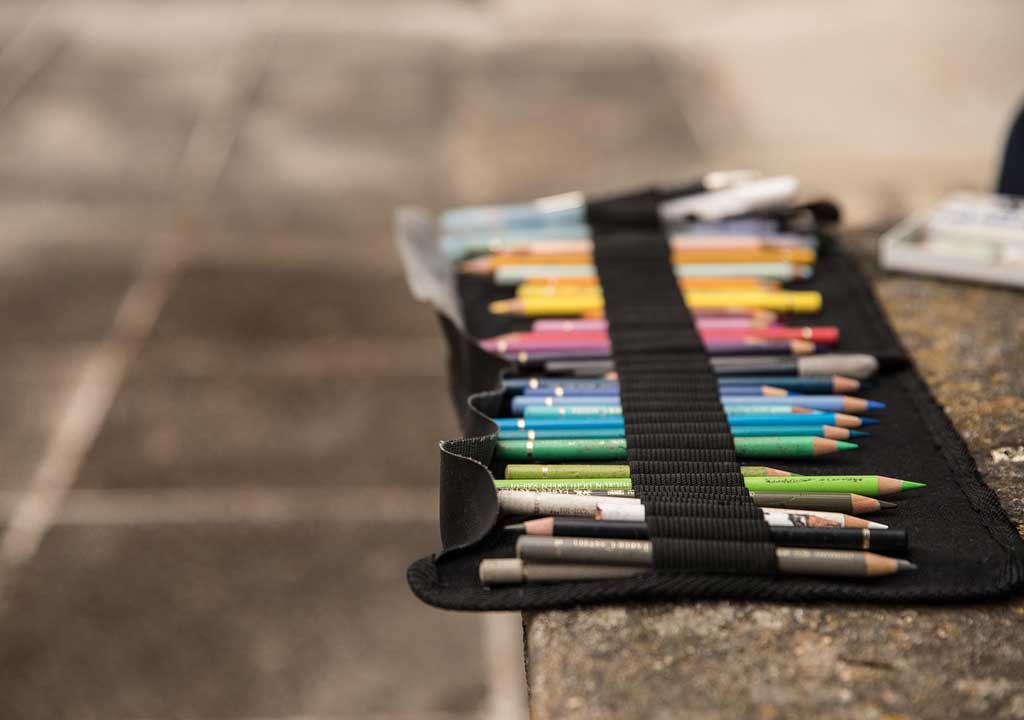
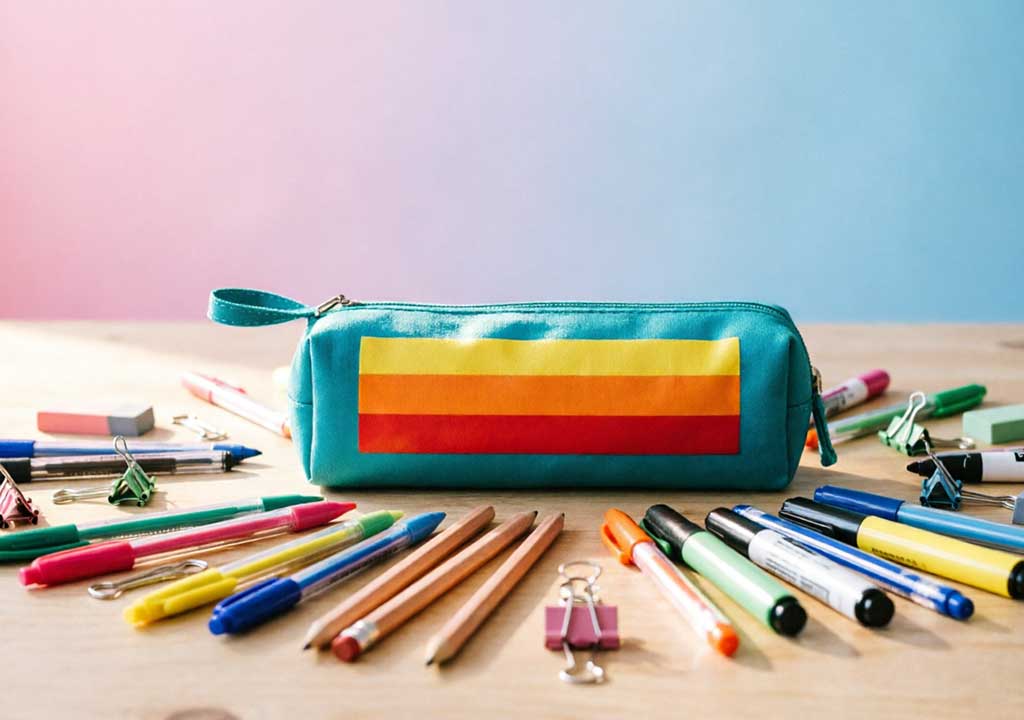
A reliable graphite pencil, a few HB or 2B pencils, and a high-quality pen (ballpoint, gel, or fountain) with refillable ink if possible. If you prefer mechanical pencils, pick one with a robust lead clutch and replaceable leads. A small set of color pencils or a few essential markers helps with highlighting and organizing sections of notes. Consider water-based markers to avoid bleed-through on thin pages. A good eraser (soft vinyl or kneaded) and a compact sharpener with a container for shavings keep your desk clean and your lines precise. A compact ruler (metric/imperial) and a rounded-tip pair of scissors fit most pencil cases and classrooms, enabling precise measurements and crafts without damage. A small glue stick, correction tape or white-out, and a sticky note pad for quick reminders and project notes. A small pencil sharpener, a spare nib or lead, and a tiny bottle of fabric-safe fabric glue for quick fixes on a textile case or to seal fraying edges. A compact USB-C adapter or a tiny USB drive, a microfiber cloth for screens, and a pen loop if your case supports modular add-ons.
When you assemble your kit, aim for balance: include enough to cover your typical needs without turning the case into a digital or material clutter bucket. A well-considered selection reduces the need to replace items frequently and helps your case retain its shape and organization over time.
Organization strategies: maximizing space without bulk
Even the most eco-friendly materials can feel wasteful if the interior is a tangled mess. Here are organization strategies to keep your pencil case efficient and easy to use:
If your case has multiple compartments, designate specific zones for different tool types (pencils and pens in one pocket, highlighters in another, small accessories in a removable pouch). Color-coded labels or simple icons drawn with a pencil can help you remember where everything belongs. Elastic loops hold pens and mechanical pencils securely, preventing items from bouncing around. A small mesh pocket can separate erasers and sharpeners from ink-based tools to minimize cross-contamination of materials. Detachable pouches or insertable sleeves allow you to tailor the interior for specific activities—exams, art class, or field trips. You can swap modules as needed, extending the life of both the case and your tools. For days when you’re only carrying a few items, a slim, compact case with fewer compartments reduces bulk and keeps the backpack lighter and more comfortable.
Take time to arrange your kit at the start of each term or season. A quick reset makes it easier to identify missing supplies, prevents repeated purchases, and helps you avoid overfilling a case that should remain light and portable.
Care and maintenance: keeping eco-friendly materials in peak condition
Durability isn’t just about the initial design—it’s also about how you treat the pencil case over time. Following simple care routines can extend life, reduce the need for replacements, and preserve the materials’ eco-friendly promise:
Wipe down the exterior with a soft damp cloth to remove dust and stains. For interiors, use a mild soap solution on a cloth, then wipe and air dry. Avoid soaking fabrics that might lose shape or color. Address common stains quickly. Ink-based stains can sometimes be lifted with a small amount of rubbing alcohol on a cotton swab (test on an inconspicuous area first). For wax-based coatings, avoid aggressive solvents that could degrade the finish. If the interior becomes damp, let the case air-dry completely in a well-ventilated area. A quick air-out helps prevent mildew. If odors linger, a light sprinkle of baking soda can help—let it sit, then brush away. Small repairs, such as resewing a loose thread or reattaching a patch, can extend life significantly. If a zipper starts to falter, consider lubricating it with a dry graphite pencil or a fabric-safe zipper lubricant and monitor the performance. Replacing a zipper is feasible on some styles; if not, consider a repair service that specializes in bags and cases. Store the pencil case in a cool, dry place away from direct sunlight to prevent material degradation and color fading.
By treating your pencil case with care, you’re reinforcing its eco-friendly promise. A well-maintained case reduces waste and ensures you’ll be using it for the long term, which lowers the overall environmental footprint of your everyday tools.
Buying guide: what to look for when choosing an eco-friendly, durable pencil case
Purchasing a pencil case with eco-friendly materials and durable construction requires a few smart checks. Here’s a practical buying guide you can use when you’re shopping in stores or browsing online:
Look for clear information on what the shell and lining are made from. Certifications such as GOTS for fabrics or OEKO-TEX for textiles indicate a commitment to safer, more sustainable production processes. Recycled content should be stated (e.g., 60% recycled polyester). Pay attention to stitching quality, seam reinforcement, and the type of zipper. A robust zipper with a smooth glide and high-quality teeth reduces the likelihood of malfunction. Check for double stitching at stress points and reinforced corners. Choose coatings free from PFAS and other harmful chemicals. If the product claims water resistance, verify that the finish is durable, non-toxic, and easy to clean. Some brands offer replacement components like zippers, straps, or patches. A product designed for repair saves resources and extends its life. Consider your typical load. If you carry many heavy items, aim for a heavier-weight shell to resist wear. For lighter needs, a slim, compact case may be preferable and more portable. A pencil case that requires specialized cleaners or dry-cleaning is less practical for everyday use. Simpler care routines are more durable in daily life. If you value fair labor practices, look for brands that publish supply chain information and have third-party audits or certifications that confirm ethical production.
In practice, you may choose multiple pencil cases for different contexts—one durable, weather-ready shell for outdoor use and a lighter, compact option for indoor tasks. The key is to find a balance between sustainability, performance, and long-term value.
DIY and upcycling: personalize while extending life
If you enjoy hands-on projects, DIY customization is a wonderful way to pair eco-friendliness with creativity. Upcycling old fabrics or using scrap materials to craft your own pencil case can be a rewarding way to reduce waste. Here are some DIY ideas and tips to keep in mind:
Use sturdy remnants from old bags, denim, or canvas jackets to stitch a custom pencil case. Reinforce seams with a simple running stitch or a zigzag stitch for added durability. Create snap-in or Velcro-backed pouches that can be added or removed as needed. This approach keeps your kit flexible and adaptable to changing routines. If you’m sewing your own case, choose simple closures (buttons, snaps, or magnets) that can be replaced easily when needed, rather than complex zippers that may fail over time. If you color fabric, use water-based dyes or fabric paints that are low-impact and easy to wash out if you make a mistake. Sealants should be non-toxic and compatible with the material you’re using. Even in DIY, plan for longevity. Use durable stitches, reinforced stress points, and materials that resist wear from daily use. This keeps the project eco-friendly for the long run.
DIY isn’t just about saving money; it’s also about learning to care for materials and extending life through thoughtful maintenance. If you’re new to sewing or crafting, start with simple projects and gradually experiment with more durable methods as your confidence grows.
Real-world examples and practical recommendations
In real life, a pencil case that blends eco-friendliness with durability often features a careful blend of materials and construction. Here are practical recommendations you can apply when shopping or assembling your kit:
Recycled polyester shell with a cork accent, reinforced stitching at corners, a water-repellent finish, and a durable coil zipper. Interior has a wipe-clean lining and a slim mesh pocket for small items. This setup is ideal for students who need reliable daily use and a tactile, natural touch from cork. Waxed canvas shell with a leatherette zipper pull, reinforced fabric at stress points, and a removable inner pouch. The waxed finish provides water resistance without chemical coatings, and the case gains character with use as it develops a patina. Excellent for urban commuters and artists who want a stylish, durable option. Cork shell with recycled PET interior and a simple magnetic or snap closure. Very lightweight, highly resistant to moisture, and easy to wipe clean. Great for minimalist setups or for people who prioritize natural materials and easy maintenance.
When choosing among these options, consider your daily routine, climate, and willingness to repair or refresh parts of the case over time. If you often spill liquids or travel in wet environments, prioritize water resistance and a wipe-clean interior. If you value a tactile, natural feel, cork and organic fabrics may be particularly appealing.
The future of pencil cases: circularity, repairability, and mindful consumption
As the supply chain continues to evolve toward greater transparency and sustainability, pencil cases are likely to reflect broader trends in material science and product design. Topics shaping the future include:
- Regenerative materials: Materials sourced from rapidly renewable resources or those that can be composted or safely recycled at end of life. Expect more responsibly sourced natural fibers, plant-based coatings, and innovative blends that minimize microplastics.
- Repair-first design: Products designed with easy field repairs, replaceable zippers, and modular components that can be swapped out instead of discarding the entire case.
- Cradle-to-cradle thinking: Manufacturers adopting closed-loop systems, reclaiming used shells, and turning them into new products, reducing waste and conserving resources.
- Transparent certifications: Clear, third-party certifications and supply chain disclosures that help consumers verify environmental and ethical claims.
For the consumer, the takeaway is simple: prioritize longevity over novelty, invest in materials that resist wear, and support brands that demonstrate a real commitment to people and the planet. The pencil case you choose today can be part of a broader shift toward sustainable, responsible consumption that benefits communities, ecosystems, and future generations.
Putting it all together: a sample plan for your eco-friendly, durable everyday pencil kit
Here’s a practical blueprint you can adapt to your needs. The plan emphasizes materials, durability, and smart organization, tuned for everyday use in school, work, or creative pursuits:
Pick a fabric with recycled content or a natural, renewable option (waxed canvas, cork, or a sturdy organic cotton canvas). Ensure the coating is fluorine-free and easy to clean. If possible, opt for a high-quality zipper or a modular design with replaceable components. Prioritize metal or durable polymer zippers that glide smoothly. Include one small mesh pocket for tiny items, elastic loops for pens, and a removable inner pouch for art supplies or multiple sets of tools. Start with core writing tools, a compact eraser and sharpener, a ruler, a small glue stick, a correction instrument, and a few highlighters. Add extras only if you know you’ll use them regularly. Establish a simple maintenance routine—wipe the exterior weekly, empty the interior monthly, and perform minor repairs as needed. If a component wears out (zippers, stitching), assess repair options or replacement parts first rather than discarding the entire case.
With this plan, you’ll have a pencil case that’s not just a storage bag but a durable, eco-friendly partner in your daily workflow. You’ll reduce waste, support better manufacturing practices, and enjoy a more organized, efficient day-to-day routine.
Conclusion: choosing durability, choosing responsibility
Eco-friendly and durable pencil case essentials aren’t mutually exclusive. The best options combine resilient construction with responsible materials and design that encourages longevity. By selecting shells made from renewable or recycled inputs, prioritizing reinforced stitching and robust closures, and adopting smart organization techniques, you create a tool that serves you well through countless classes, meetings, and brainstorms. Maintenance and repair are part of this approach, not exceptions. Clean, care, and repair when needed, and your pencil case will be an ally for years to come—reducing waste, conserving resources, and supporting a more sustainable lifestyle for you and the planet.
Next time you’re in the market for a pencil case, use this guide as a framework. Look for eco-friendly materials, durable construction, repairability, and clear certifications. Ask questions about the supply chain, fabric content, and care instructions. And remember that the most meaningful choices aren’t about a single purchase, but about the ongoing habit of choosing better materials, extending product life, and keeping things out of the waste stream. Your ideal everyday pencil case is out there—one that feels right, lasts longer, and helps you write a greener future one note at a time.
LIKED THIS ARTICLE? SHARE IT: