
















How to Clean Fabric Pencil Cases Without Fading Colors

How to Clean Fabric Pencil Cases Without Fading Colors
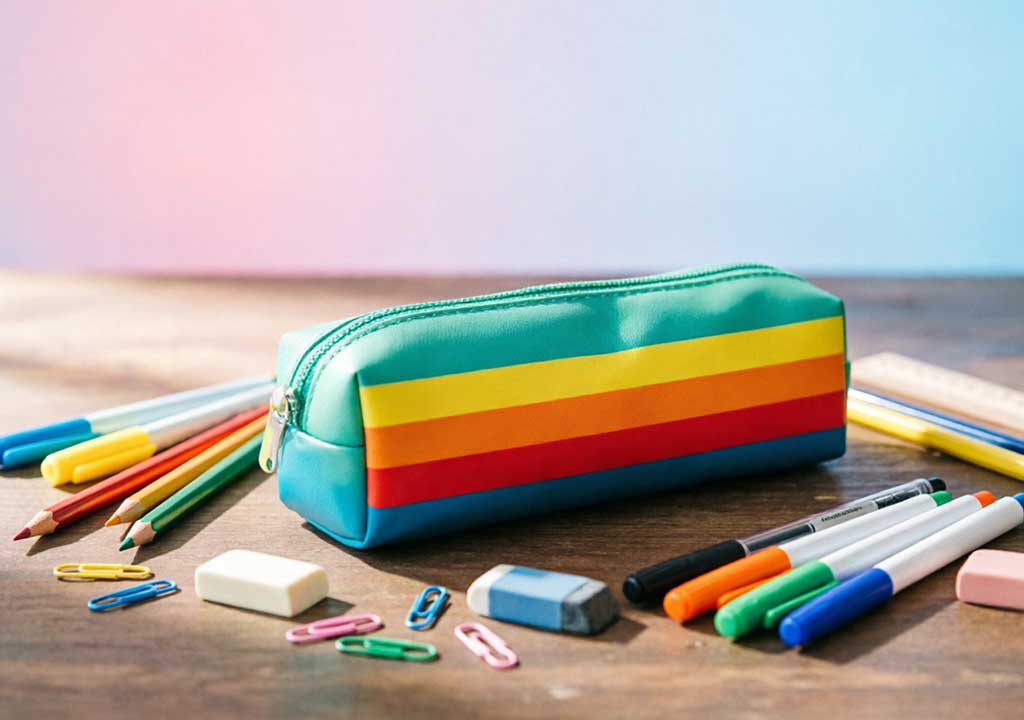
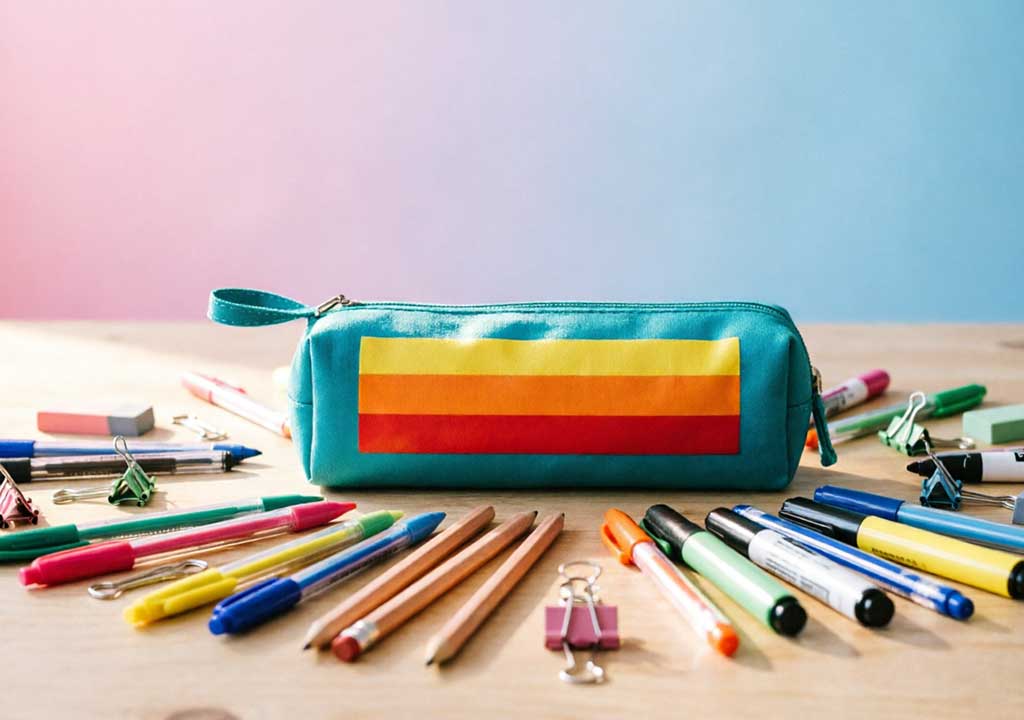
Fabric pencil cases are sturdy workhorses for school, art kits, and office desks. They often sport bold prints, bright primary colors, or subtle neutrals that you love to carry day after day. But cleaning them without dulling or fading those colors can feel like a balancing act. Harsh detergents, hot water, or aggressive scrubbing can push dyes to bleed or fade, leaving you with a pale version of your favorite case. The good news is that with a few simple, color-friendly techniques you can restore cleanliness while preserving the vibrancy of the fabric. This guide walks you through understanding fabrics, testing colorfastness, choosing the right cleaning methods, and drying conditions that minimize fading.
Let’s dive into practical, step-by-step tips that work for canvas, denim, cotton, nylon, and other common materials without sacrificing color.
Understanding the Fabric: Why Colors Fade during Cleaning
Before you reach for the washing machine or scrubber, it helps to know why color fading occurs in fabric pencil cases. Most pencil cases are made from canvas, cotton, denim, nylon, or polyester blends. Each material interacts with water, heat, detergent, and sunlight differently. Common fading culprits include:
- High water temperatures and aggressive detergents that strip dye molecules from the fabric.
- Prolonged soaking, especially with hard water or acidic cleaners.
- Direct exposure to strong sunlight during drying, which can bleach or lighten color over time.
- Scrubbing over printed patterns or embroidery, which can wear away pigment at the surface.
In short: the goal is to cleanse away dirt and stains without aggressively agitating the dye or exposing the fabric to heat for longer than needed. A gentler approach tailored to the fabric type yields the best results for color retention.
What You’ll Need: A Simple Cleaning Kit that Saves Color
Keep a small, color-friendly cleaning kit nearby. It makes the process faster and reduces the temptation to over-clean or use harsh methods. Here are essentials to have on hand:
- Mild liquid detergent (your regular laundry detergent works, but choose a gentle formula).
- White distilled vinegar and/or baking soda for stain treatment and deodorizing.
- Isopropyl alcohol (rubbing alcohol) for ink or marker stains on light-colored fabrics.
- A soft brush (such as a toothbrush) and a clean sponge for gentle scrubbing.
- A clean cloth or microfiber towel for blotting and wiping.
- A mesh laundry bag (optional, for delicate fabrics in the machine).
- A drying rack or clean, shaded area for air drying.
- A small, inconspicuous spot test area (like inside a pocket or seam) to check colorfastness.
Tip: whenever possible, choose color-safe or dye-free detergents and avoid chlorine bleach on colored fabrics, as bleach can dull or alter tones. If your pencil case has a printed design or appliqué, the gentlest approach is especially important to protect those designs from fading.
Step 1: Check the Care Label and Do a Colorfast Test
Start with the label. If there’s a care symbol or written instruction, follow it. If there’s no label or you’re unsure, perform a quick colorfast test in a discreet area such as the inside seam or the bottom edge. Here’s how:
1) Mix a drop of mild detergent with a small amount of warm water. 2) Dampen a clean white cloth or cotton swab with the solution. 3) Press gently onto an inconspicuous area for a few seconds, then blot with a dry section of the cloth. 4) If the color transfers to the cloth, the dye is not colorfast; avoid aggressive washing with other items and consider spot-cleaning or hand-wiping instead. 5) If no color transfers, you’re likely good to proceed with a color-safe wash or spot-clean technique.
Why this matters: a successful colorfast test helps you pick the right method and reduces the risk of bleeding during cleaning. If your test shows color transfer, you’ll want to avoid submerging the item in water with other fabrics or using hot water in most cases.
Step 2: Decide Between Spot-Cleaning, Hand Washing, or Gentle Machine Washing
The next decision is whether the pencil case can handle a full wash or should be spot-cleaned. This depends on the material, the presence of linings or waterproof coatings, and how dirty the case is. Consider the following guidelines:
- Spot-cleaning is ideal for light dirt, minor stains, or recently used cases. It minimizes water exposure and reduces color fading risk.
- Hand washing is best for delicate fabrics (like thin cotton, linen blends, or printed designs with delicate inks). It gives you control over water temperature and agitation.
- Gentle machine washing can work for sturdy fabrics like canvas, polyester blends, or nylon if done with a delicate cycle, cold water, and a mesh bag to cushion the items. It’s important to avoid hot water, harsh cycles, and aggressive spin speeds.
By choosing the appropriate method, you limit dye loss and keep colors vibrant while still removing dirt and stains effectively.
Step 3: Pre-Treat Stains Without Bleaching the Color
Stains are common on pencil cases from ink, graphite, marker, glue, and crayons. Pre-treating stains correctly helps you remove marks without fading the color. Here are color-safe pre-treatment methods for common stains:
- Graphite or pencil marks: Brush away loose graphite first. Dampen a cloth with water and a tiny amount of detergent, then blot the stain from the outer edge toward the center to avoid spreading.
- Ink or marker stains: Dab with rubbing alcohol or a small amount of 70% isopropyl alcohol on a white cloth, then blot. Do not rub, as rubbing can drive the stain deeper or spread. Rinse with a little water and blot dry. If the fabric is delicate, test in an inconspicuous area first.
- Oil-based stains (pencil lubricant, glue, crayon wax): Apply a small amount of dish soap or a degreasing detergent directly to the stain and let it sit for a few minutes. Gently work with a soft brush, then rinse with cold water to remove detergent residue.
- Deodorizing or dull odors: Sprinkle baking soda on dry fabric, brush off after a few hours, then spot-clean if needed. White vinegar can also neutralize odors when diluted with water (a 1:1 ratio, then rinsed).
Important: always test the pre-treatment on an inside seam or hidden area first to ensure it won’t affect the color or finish. If you’re unsure, stick with milder options and avoid concentrated or multiple stain treatments at once.
Step 4: Clean by Fabric Type: Tailored Approaches for Canvas, Denim, Nylon, and More
Different fabrics respond best to different cleaning methods. Here’s a practical guide tailored to common pencil-case materials, focusing on color protection and minimal fading.
Canvas and Cotton Pencil Cases
Canvas and sturdy cotton blends hold up well to gentle washing, but they can absorb dye and show wear over time. Follow these steps for best color retention:
1) Turn the pencil case inside out to protect printed designs and the outer color. 2) If you plan to machine wash, place the case in a mesh laundry bag to cushion it and use a cold water wash on a gentle cycle with a small amount of mild detergent. 3) If washing by hand, fill a basin with cold water and a splash of mild detergent. Submerge and gently agitate with your hands. 4) Rinse thoroughly in cold water to remove all soap residues, which can attract dirt if left on the fabric. 5) Do not wring; instead, press gently to remove excess water. 6) Air dry in the shade away from direct sunlight to avoid fading. 7) When completely dry, reassemble and store away from direct sun exposures.
Optional tip: add a cup of white vinegar to the rinse water every now and then to help set colors and neutralize odors, but test first in a hidden area to ensure no color shift occurs.
Denim Pencil Cases
Denim dyes can bleed if treated aggressively, especially if the fabric is not colorfast. For denim pencil cases, take care to preserve indigo hues and any printed motifs:
1) Wash separately from other colors the first few times to avoid dye transfer. 2) Use cold water on a gentle cycle with a mild detergent. 3) Use a shorter wash cycle and a slower spin to minimize stress on fabric and dye. 4) Air dry away from direct sunlight to reduce fading risk. 5) If you need to touch up or treat stains, consider spot-cleaning first rather than full immersion.
Synthetic Fabrics (Nylon, Polyester, and Blends)
Synthetic fabrics often hold color well but can also show wear differently. They’re usually more colorfast than natural fibers, but heat and harsh cleaning products can still fade colors. Cleaning approach:
1) For light cleaning, a gentle machine wash on cold with a mild detergent is usually safe. 2) If hand washing, use cool or lukewarm water and a small amount of detergent. 3) Avoid fabric softeners, which can leave residues and alter texture or sheen. 4) Rinse thoroughly to remove all detergent. 5) Dry flat or hang to air dry away from direct sunlight.
Coated or Waterproof Liners
Pencil cases with interior waterproof linings (PVC, vinyl, or TPE) or coated surfaces require extra care. Soaking can peel or degrade coatings, and scrubbing may cause micro-abrasions. Approach:
1) For interior linings, wipe with a damp cloth and a tiny bit of mild detergent. 2) Rinse by wiping with a clean damp cloth to remove soap. 3) Do not soak the interior; avoid submerging the entire case if the lining is not removable. 4) If the exterior has a waterproof coating, clean with a soft cloth and avoid harsh scrubbing or solvents that could degrade the finish. 5) Dry by air, away from sun, until completely dry.
Step 5: Rinse Thoroughly and Remove Detergent Residue to Prevent Staining
Soap residue on fabric can attract new dirt and feel sticky to the touch. Rinse thoroughly with cold water after cleaning. If you’re washing by hand, rinse the case until the water runs clear and there’s no soap film on the surface. If machine washing, consider an extra rinse cycle or a final rinse with cold water only. This helps preserve colors by preventing the detergent from dulling the fibers over time.
Step 6: Drying Smartly to Prevent Color Fading
Drying is a major factor in color retention. The heat from dryers and prolonged sun exposure can fade colors or weaken fibers. Here’s how to dry fabric pencil cases without fading:
- Air dry in the shade: Lay the case flat on a clean towel or hang it in a shaded area with good air circulation.
- Avoid direct sunlight: Sunlight, especially intense midday sun, can fade colors and cause uneven fading on exposed surfaces.
- Reshape while damp: If the case has a rigid shape or a stiff insert, gently reshape while damp to avoid warping as it dries.
- Fast drying options: You can use a fan or place the case near a gentle air source to speed up drying, but keep it out of direct heat.
When completely dry, inspect for any remaining stains or pockets of moisture. If any stain remains, repeat a targeted spot-clean process rather than a full rewash, which could contribute to color wear with repeated cycles.
Stains and Odors: Targeted Tactics Without Fading
Stains and odors are the two most common reasons people wash pencil cases. Here are color-conscious strategies for stubborn stains and lingering smells:
- Ink stains: Use a small amount of rubbing alcohol on a white cloth, dab gently, and blot. Rinse, then air dry. If the fabric is very delicate or printed, test first in a hidden area.
- Oil-based stains: Dish soap or a stain remover designed for delicate fabrics can work. Apply and let sit briefly, then gently scrub and rinse.
- Sweat and odor: Baking soda paste can help. Mix with water to form a paste, apply, let sit a few minutes, then wipe off and rinse. White vinegar diluted with water can be used as a deodorizing rinse (test first).
- Musty or damp smell: A gentle washing followed by air drying in a shaded area helps release the odor. If necessary, add a small amount of white vinegar to the rinse to neutralize odor.
Always blot rather than rub when dealing with stains and avoid applying abrasive agents that could damage the fabric’s dye layer. If you have a printed design, handle with care around edges and avoid scrubbing the print.
Step 7: Post-Cleaning Check: Did the Color Survive?
After cleaning and drying, take a moment to inspect the color and overall appearance. Look for:
- Any signs of color bleeding on the fabric or from the print.
- Uneven fading or lighter patches where the sun hit during drying.
- Residual odors. If you notice any dye transfer onto white cloths when you touch the surface, it’s a sign you may have treated too aggressively or used heat too soon.
If you notice fading or color transfer, you can try a milder wash again with shorter cycles and cooler water, and always air-dry in the shade. Refrain from applying bleach or strong solvents in future cleanings. For heavy-duty cases, consider professional cleaning or dye-retouching methods if color integrity is critical.
Common Mistakes to Avoid (And How to Do It Right)
A few common missteps can lead to faded colors, even if you think you’re being careful. Here are things to watch out for and how to avoid them:
- Hot water: Hot water opens up fibers, which can release dyes more easily. Always opt for cold or warm water when possible.
- Bleach on colored fabrics: Chlorine bleach can cause significant color loss or yellowing in many dyes. If you must use bleach, choose a color-safe product and test on a hidden area first.
- Aggressive scrubbing: Scrubbing with a stiff brush or rough pad can wear away dye and surface coatings. Use a soft brush or cloth and gentle, circular motions.
- Drying in the sun or near direct heat: UV light and high heat fade colors and weaken fibers. Dry in the shade or indoors with good airflow.
- Washing with heavy soils with delicate fabrics: If the case is delicate, stay with hand washing or a gentle cycle and a small amount of detergent. Washing with heavy soil can roughen threads and degrade prints.
Pro Tips for Keeping Colors Bright Between Washes
Color-friendly habits help your fabric pencil case stay vibrant longer, even with frequent use. Try these quick tips:
- Rotate cases: If you own multiple pencil cases, rotate them to avoid repeated wear on a single piece.
- Treat stains early: The sooner you address stains, the less likely you’ll need heavy cleaning later, which preserves color.
- Store properly: When not in use, store your pencil case in a cool, dry place away from direct sunlight. Using a breathable fabric bag rather than a plastic container helps prevent moisture buildup.
- Use color-safe detergents: Select detergents labeled as color-safe or designed for colored fabrics.
- Pre-treat ink promptly: If your case is prone to pen marks, consider a quick spot-clean treatment as soon as stains appear to minimize penetration into fibers.
DIY Color Booster: Is It Worth It?
If your pencil case has faded seams or slightly washed-out colors after repeated cleaning, you might wonder if a color booster is worth the effort. A few cautions:
- Some dye boosters or color-refreshing products exist for specific fabrics; use only those compatible with the fabric type and finish.
- For printed designs or novelty fabrics, boosters can darken or alter the look; test on a hidden area first.
- For durable canvas and denim, a light dye refresh may be possible with a professional dyeing service or at-home dye kits. This option is best left to those comfortable with dyeing projects and who know how the fabric will respond.
In most cases, consistent care, careful stain management, and proper drying are enough to keep colors vibrant without resorting to color refresh products. If you do attempt a color refresh, do it in a controlled small area first and follow the product instructions precisely.
Real-Life Scenarios: Quick Walkthroughs
To help you visualize the process, here are a few common scenarios and how to handle them without fading colors:
- Scenario A: A canvas pencil case with a bold geometric print has pencil graphite marks and light dirt along the zipper line. Turn inside out, spot-clean with a mild detergent and water, rinse, and air-dry in the shade. If you decide to machine wash, use cold water on a gentle cycle in a mesh bag and avoid long cycles.
- Scenario B: A denim pencil case with a logo print has faint ink marks near the bottom. Apply rubbing alcohol to a white cloth and blot the ink away from the logo to protect it, then rinse and air-dry.
- Scenario C: A nylon pencil case with a clear waterproof lining has some chalk dust and a musty odor. Wipe down the exterior with a damp cloth, wash lightly if needed on cold, and let it air dry completely in the shade. For odor, a baking soda treatment can help after washing, followed by thorough rinsing.
Conclusion: Clean Like a Pro, Preserving Color Every Time
Cleaning fabric pencil cases without fading colors is less about impressive gadgets and more about mindful steps: identify the fabric, test colorfastness, choose a gentle cleaning method, treat stains with care, rinse thoroughly, and dry away from direct sunlight. By following the material-specific guidance for canvas, denim, nylon, polyester blends, and liners, you can restore freshness while protecting the color and design you love. With a little planning and a lot of patience, your pencil case stays a bright, reliable companion for school and work for years to come.
If you found these tips helpful, consider sharing your own color-preserving cleaning technique in the comments or adapting the steps for other fabric accessories you use regularly. Remember: the secret to longevity is gentleness, test, and mindful drying. Your colors will thank you the next time you reach for your favorite pencil case.
LIKED THIS ARTICLE? SHARE IT: