













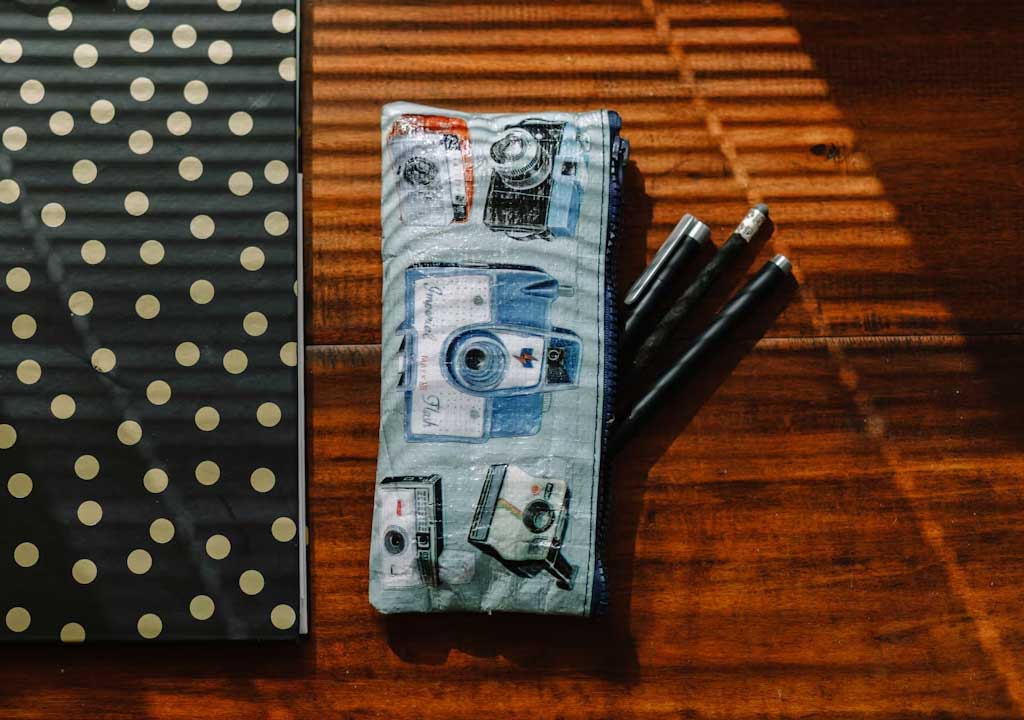
Upcycled & Unique: Sustainable Pencil Case Customization Ideas

Upcycled & Unique: Sustainable Pencil Case Customization Ideas
In a world of fast fashion and disposable doodads, a pencil case can be more than just a pocket for pens. It can be a statement about making, mitting, and preserving materials that still have a story to tell. Upcycling is about taking old or unwanted items and transforming them into something useful, beautiful, and uniquely yours. If you’re curious about turning scraps, garments, banners, or everyday waste into one-of-a-kind pencil cases, you’ve landed in the right place. This guide is packed with idea generators, practical how-tos, and creative twists to help you craft sustainable, personalized organizers that stand out in a backpack or desk drawer.
Why upcycle for pencil cases?
Upcycling does more than reduce waste. It invites a mindset: look for hidden potential in materials that would otherwise end up in a landfill. A pencil case is a canvas for texture, color, and memory. When you repurpose fabrics from old jeans, canvas tote bags, or thrift-store finds, you’re slowing the demand for new textiles and reducing the microplastic load that disposable fabrics can shed. Plus, upcycled pencil cases often carry a unique charm—the telltale signs of their origin, from a stray thread that reminds you of a favorite shirt to a zipper pull rescued from another era.
Getting started: tools, materials, and safety
Before you dive into upcycling pencil case projects, gather a few essentials. The exact toolkit depends on the project, but here’s a solid base that covers many techniques:
- Sewing tools: sewing machine (or hand-stitching supplies if you prefer), needles, thread in coordinating colors, fabric scissors, pins or clips, measuring tape, a seam ripper for mistakes.
- Materials: salvaged fabrics (denim, canvas, cotton prints, upholstery scraps), old zippers or garment closures, interfacing or fusible fleece for structure, lining fabric (could be a spare cotton sheet or a thrifted sheet), decorative trims.
- Adhesives and embellishments: fabric glue, fusible web, iron-on patches, embroidery floss, buttons, ribbons, patches from old clothing or magazines for decoupage.
- Special touches: cork sheet for a natural texture, vegan leather substitutes, recycled plastic or bottle-cap charms, clear vinyl for pockets, heat-setting tools for vinyl or patches.
- Care items: fabric markers or tailor chalk for marking, a small ruler, seam allowances of about 0.6–1 cm (1/4–3/8 inch) for most pencil cases.
Safety note: when handling sharp tools or hot irons, keep a cutting mat at hand and work in a well-ventilated area. If you’re sewing with kids, supervise for safety and encourage age-appropriate tasks like sorting fabric or pressing with a warm iron under supervision.
Where to source upcycled materials
The beauty of upcycling lies in the treasure hunt. Here are reliable sources that yield interesting textures, patterns, and durable fabrics:
- Thrift stores and charity shops: look for sturdy fabrics like denim, canvas, wool blends, and coats that can be repurposed into structured pouches.
- Old garments: a pair of jeans, a leather belt, or a quirky jacket can provide zippers, straps, or decorative panels.
- Home textiles: curtains, tablecloths, bedsheets, or quilt scraps offer large panels and interesting prints for patchwork.
- Outdoor gear and banners: canvas banners, tent fabric, or windbreak fabric have durable textures ideal for pencil cases that travel.
- Recycled craft supplies: zipper pulls, garment labels, and patches from worn-out clothing add character.
- Nature-inspired bits: cork from wine packaging, leather remnants from old accessories, braided rope, or hemp twine for handles and closures.
Tip: always pre-wash fabrics to prevent shrinkage and color bleed after you assemble the pencil case. For delicate prints, a cold wash and air-dry is a safe approach.
Design ideas to jump-start your upcycled pencil case
Below are a range of design concepts, from straightforward no-sew options to more involved, multi-pocket configurations. Mix and match techniques to create something truly personal. Remember, the goal is to reuse with intention, not to create waste with excess trimming or packaging.
1) Patchwork Denim Deluxe
Repurpose old denim into a patchwork pencil case with a sturdy zipper and a sanded, vintage look. Use different shades of denim, perhaps with one denim panel shot through with a bright inner lining. The key is alignment and a clean zipper installation.
What you’ll do:
- Cut denim squares or rectangles from old jeans, selecting sizes that fit neatly together for a panelized front and back.
- Optional inner lining: a bright cotton or printed fabric salvaged from a thrifted sheet or curtain.
- Lay out the panels to create a pleasing mosaic, then zigzag or machine-stitch each patch with a tight seam to minimize fraying.
- Attach a durable zipper along the top edge. If you don’t have a matching zipper, you can use a contrasting color for a playful effect.
- Finish with a simple topstitch around the edges and a small fabric label or patch with a message or initials for a personal touch.
End result: a rugged, colorful case that ages beautifully with use, each patch telling a small story from the denim’s past life.
2) Leather-like Vegan Luxe (Upcycled Leather or Faux Leather)
Turn a scrap of faux leather or vegan leather from an old bag or jacket into a sleek pencil case. Use contrasting stitching for a modern, designer vibe, and consider a clear vinyl inner pocket for quick visibility of contents.
What you’ll do:
- Cut two identical shapes for the main body (e.g., a rounded rectangle). If you have a thick piece, plan for a double-layer bottom for durability.
- Optionally add a zipper pocket on the exterior or a small interior pocket sewn with contrast thread.
- Line with a thin cotton or fabric-backed vinyl to reduce friction against pencils and to protect prints from wear.
- Stitch with a durable, matching or contrasting thread. Use a leather needle if using genuine leather.
- Finish with a decorative element like a heat-pressed patch or a stamped logo using a DIY stamp kit.
Note: avoid microplastics shedding fabrics for long-term environmental benefits; if your material is PU or PVC-based, consider a natural alternative for future projects to minimize environmental impact when disposed of?
3) The Bottle-Top Charm Pencil Case
Incorporate upcycled bottle caps or small bottle-top frames to create a playful, tactile boundary around the zipper or as decorative attachments on the front.
What you’ll do:
- Use a sturdy fabric piece as the main body, perhaps in a bold color or pattern from old fabric.
- Applique bottle caps or cap-turned charms along the edge using strong fabric glue and a few small stitches for extra security.
- Line the interior with a soft fabric to protect pencil tips and labels.
- Add a zipper with a cap-adorned pull or a cap-laden zipper pull for whimsy.
End result: a quirky, conversation-starting case that’s easy to personalize with caps from friends or family events.
4) Clear Vinyl Pocket Pouch
Use clear vinyl salvaged from banners or old rain covers to create a transparent pocket on the front or the interior. This makes a great place to store small erasers, sticky notes, or spare clips while showing off the fabric beneath.
What you’ll do:
- Cut a piece of clear vinyl to form a pocket sized to the interior of your main fabric, leaving a small seam allowance.
- Attach the vinyl pocket to the outer panel with a straight stitch, pressing gently to avoid warping.
- Seal edges with bias binding or fabric trim for a clean finish and durability against wear.
- Place a zipper along top edge to secure items; consider a double-slider zip for easy access from either side of the case.
Tip: wipe vinyl clean with a damp cloth to keep it looking fresh, and choose vinyl that’s free from phthalates where possible for a greener option.
5) Patchwork Lettering: Upcycled Textile Monograms
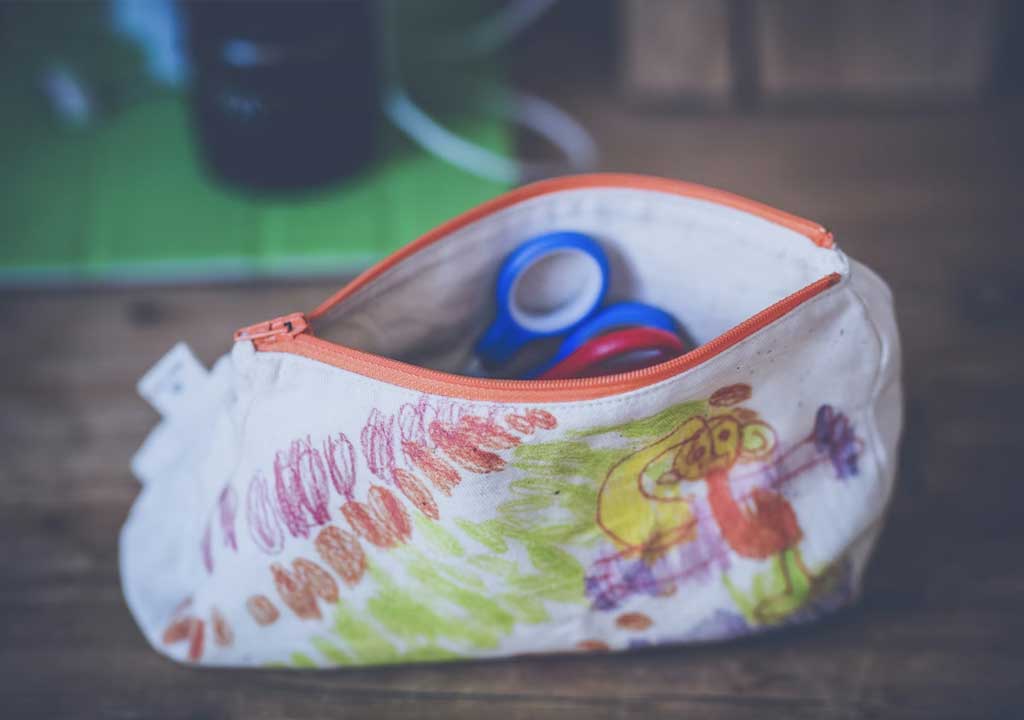
Personalize with monograms or short messages using small fabric scraps to form letters. This is especially fun for students and kids who want their name or a small motto on their case.
What you’ll do:
- Cut small scraps into letter shapes using a stencil or freehand lettering.
- Adhere the patches with fusible web or needle-and-thread sewing, layering on a contrasting backing for extra pop.
- Quilt a few rows to secure layers and add texture on the front, then line as desired.
Result: a personalized, crafted look that celebrates small print and pattern details you collect over time.
6) Travel Journal Organizer: Multi-Pocket Marvel
For the traveler or student, divide the pencil case into multiple pockets with a primary zippered section for pens, a snap-close pocket for ruler and highlighters, and a small inner sleeve for erasers or small notes. Use a mix of materials—perhaps a denim outer, a recycled silk lining, and a cork bottom for grip.
What you’ll do:
- Plan the layout with cardboard templates to visualize pockets and dimensions.
- Sew or glue dividers between pockets using light to medium weight fabrics.
- Attach a robust zipper for main access; add small hook or button closures for extra pockets.
Tip: sew double-stitch lines on stress points. Use a bright zipper color to give a sense of motion and energy to your design.
Hands-on mini-tutorials: quick-start projects
Sometimes you want the simplest possible path to success. Here are two short, no-fuss projects that yield sturdy results with minimal waste and maximum style. These are particularly friendly for beginners or for a weekend crafting project with kids.
No-Sew Recycled Envelope Pencil Case
This option uses a folded fabric method and a simple Velcro or snap closure. It’s quick, clean, and still highly customizable with fabrics you already have on hand.
Steps:
- Choose a rectangular fabric panel (roughly 12x9 inches works well for a standard pencil pack). Use a contrasting lining if possible.
- Fold the fabric lengthwise to create a small envelope-like pouch. The inner fold becomes the pocket, the outer layer forms the outer shell.
- Attach a Velcro strip or a small snap at the top edge to secure.
- Decorate with fabric markers or patches before finishing with a final press if you’re using iron-on embellishments.
Outcome: a clean, modern pencil case that requires no sewing and is fully upcyclable through future repurposing of the fabric.
Pressed-Patch Drawstring Pencil Case
Using a drawstring closure makes a lightweight, casual pencil case that’s easy to customize with patches and embroidery.
Steps:
- Cut two fabric panels with leather or canvas textures; cut a small strip for the drawstring casing at the top edge.
- Position patches using fusible web or simple hand-stitching; add embroidery to create a personalized motif.
- Fold and sew the sides, leaving room for a opening at the top for the drawstring
- Thread a length of fabric cord or shoelace through the casing and tie to close.
Tip: a natural fiber cord, like hemp, adds a tactile, sustainable touch to your upcycled design.
Creative techniques that elevate your upcycled pencil cases
Want to push your designs from “nice” to “remarkable”? Here are techniques that deliver durable results and lasting aesthetic appeal while staying mindful of sustainability:
- Embroidery and surface stitching: hand embroidery or machine embroidery adds personality and a tactile element that wears well over time. Use embroidery floss from discarded kits or old inventory if available, rather than buying new.
- Patchwork and quilting: combine small fabric scraps into a larger front panel; a simple running stitch or small zigzag seam helps hold it together and adds texture.
- Patch placement strategy: create a focal feature on the front with a large fabric patch or a letter made from contrasting scraps, while keeping the back and sides solid for durability.
- Upcycled zipper education: extract zippers from old garments, then replace worn safety teeth or apply new zipper tape to restore functionality and longevity.
- Decoupage and collage: for fabric decoupage on canvas or denim, use a water-based glue to secure images or small fabric bits, followed by a light sealant to protect the surface. This is an excellent way to incorporate personal photos or magazine cutouts into a monthly planner case.
- Heat-pressed patches and stamps: use heat-activated patches or stamps to add a logo, initials, or motifs. This method reduces sewing time while giving a professional finish.
- Clear vinyl pockets: protect small items and allow visibility for checklists or color-coding, while using a portion of vinyl salvaged from banners or old rain covers.
Care, durability, and sustainable use
Upcycled pencil cases aren’t just stylish at creation—they should stand the test of time. Here are tips to maximize longevity and reduce environmental impact over the lifecycle:
- Choose durability-first materials: canvas, denim, and leather-like fabrics that hold up to daily wear. Avoid delicate silks for everyday school use unless you’re customizing a special occasion piece.
- Reinforce stress points: sew double stitches at the corners where hardware attaches and where zippers meet fabric to prevent tearing during daily use.
- Use proper closures: strong zippers or robust Velcro closures help with long-term reliability and reduce the need to replace the case frequently.
- Care instructions: wash gently by hand or on a delicate cycle if the material allows; air-dry fully to prevent warping or shrinkage. For leather-like fabrics, avoid harsh chemicals and use a damp cloth for cleaning.
- Repair over recycle: when a seam comes undone or a zipper wears out, repair it. Re-stitching or replacing a zipper extends the life of the pencil case and prevents disposal.
Ethical and environmental considerations
Upcycling reduces waste and gives new life to materials that would otherwise be discarded. However, even within the upcycling space, there are ethical and environmental questions to consider:
- Prefer natural fibers when possible: cotton, linen, and hemp are often more biodegradable than synthetic blends. If you do use synthetics, opt for recycled or low-impact fibers.
- Avoid microplastics: avoid microplastics that shed by certain fabrics; refrain from glossy, heavily coated synthetics when you can switch to more natural alternatives.
- Repair and reuse: aim to extend the life of at least three items through upcycling projects before they are retired.
- Low-waste planning: measure twice, cut once; use scraps for smaller details rather than discarding them as waste.
- Fair sourcing: if buying new notions, choose brands that emphasize ethical manufacturing and recycled materials to align the project with broader sustainability goals.
Showcasing your upcycled pencil case: display and gifting ideas
Where do these unique pieces fit into daily life? Here are some ideas to showcase or share your work in a meaningful way:
- Gift-giving: personalize for friends and family by incorporating names, initials, or favorite colors. A hand-stitched pencil case makes a thoughtful, sustainable gift.
- Back-to-school swaps: organize a small back-to-school swap that prioritizes upcycled crafts. It’s a fun, low-cost way to promote sustainable creativity among classmates.
- Sell locally or online: short-run, upcycled items can be a compelling product for local craft markets or eco-friendly online shops. Emphasize the story of each piece—the materials’ origin, the techniques used, and the care taken in construction.
- Community workshops: host a workshop or a craft night focused on upcycling. It’s a social way to spread sustainable practices and empower others to create their own unique pencil cases.
Frequently asked questions
Here are quick answers to common questions about upcycled pencil case customization:
- Q: Can I make an upcycled pencil case with no sewing experience? A: Yes, there are plenty of no-sew options using fabric glue, Velcro, snaps, or drawstring closures. You can also start with patchwork using fabric glue and iron-on patches before moving to basic hand-stitching.
- Q: How long does a typical upcycled pencil case take to complete? A: It depends on complexity. A simple no-sew case might take 30–60 minutes, while a patchwork or multi-pocket design could take several hours across sessions.
- Q: What’s the best fabric for durability? A: Denim and canvas are among the most durable options; combining them with a sturdy lining improves longevity. Leather or vegan leather can also provide resilience with a more refined look.
- Q: How do I avoid fraying on fabric edges? A: Use a zigzag stitch or a serger for raw edges, or apply a binding or bias tape to finish edges.
Conclusion: celebrate sustainability with a pencil case that’s truly yours
Upcycled and unique pencil cases are more than just organizers. They’re a sustainable act of personal expression, crafted from materials that already exist and given a new purpose. Each stitch, patch, zipper pull, and piece of fabric represents a choice—one that says you care about the planet, about reducing waste, and about injecting a bit of your personality into everyday objects. Whether you’re an seasoned maker or just starting out, there’s a path for you to create something practical, durable, and deeply personal.
So gather your fabrics, raid your thrift stash, and let your creativity run a little wild. Try a denim mosaic, a vegan leather-bound case, a see-through vinyl pocket for quick access, or a patchwork masterpiece that tells your story. And don’t forget to document your process. A few photos of your materials, your layout drafts, and the final product can be just as meaningful as the pencil case itself, encouraging others to see the beauty in upcycling too. When we choose to upcycle, we choose a more thoughtful, resilient future—one pencil case at a time.
Call to action
If you try one of these ideas, share your results with the community. Post photos of your upcycled pencil case, describe your process, and tag your project with a sustainability-friendly hashtag. Tell us what materials you used, what you learned, and how you’d like to improve your next piece. Your tiny, thoughtful creation can inspire someone else to start their own upcycling journey. Let’s turn everyday items into artful, practical keepsakes that keep pencils organized and the planet a little happier.
LIKED THIS ARTICLE? SHARE IT: