





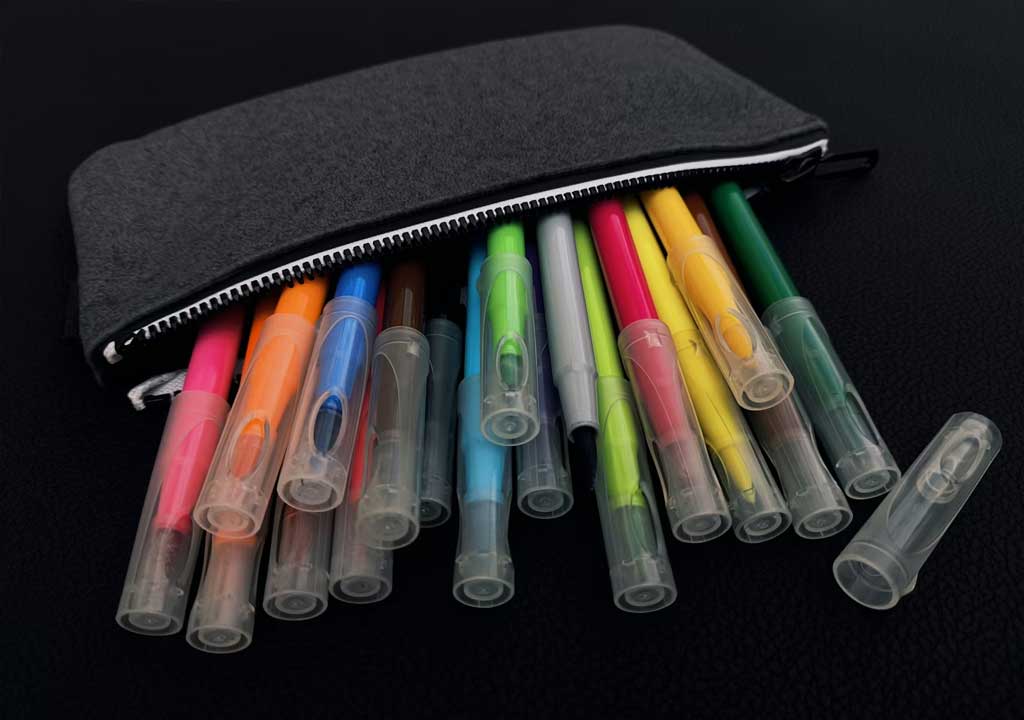
Monogram Magic: Personalizing Your Pencil Case with Style

Monogram Magic: Personalizing Your Pencil Case with Style
In a world where every backpack looks the same and every desk is a sea of sameness, a little customization goes a long way. A pencil case isn’t just a place to stash pencils; it’s a tiny canvas that speaks to your style, organization habits, and personality. Monograms, the timeless emblem of personalization, offer a simple yet striking way to elevate your everyday carry. Monogram magic isn’t about making something flashy for the sake of it—it’s about weaving a personal story into a practical object. And the best part? There are endless ways to monogram your pencil case, from classic embroidery to modern heat-press vinyl designs, that suit beginners and seasoned crafters alike.
Whether you’re shopping for back-to-school gear, hunting for a thoughtful gift, or simply looking to inject a touch of you into your workspace, monogramming your pencil case is a smart, satisfying project. This guide explores why monograms matter, how to choose a style that fits you, and a spectrum of techniques—from traditional hand embroidery to contemporary heat-transfer methods—that bring your initials to life on fabric, vinyl, and zipper-ted corners. Let’s dive into the world of monogram magic and turn a humble pencil case into a stylish, personalized accessory.
Why Monograms Matter
Monograms are more than decorative marks; they’re a signal of identity and care. A well-placed initial or name not only makes your pencil case easy to identify in a crowded classroom or shared workspace but also helps you avoid mix-ups at school, in the office, or during travel. Here are some reasons monograms deserve a place on your pencil case:
- Personal identity: Your initials are a shorthand for who you are, and a monogram puts your stamp on your belongings.
- Style and cohesion: Monograms can complement your overall color palette or fashion sense, from minimalist chic to playful maximalism.
- Sentimental appeal: A monogram can be a gift from a loved one or a reminder of a milestone, making a practical item meaningful.
- Longevity and value: A well-executed monogram can outlive trends, adding a classic touch that stands the test of time.
When you approach monogramming, you’re not just decorating a pencil case—you’re engineering a small daily ritual. You’ll reach for a piece that looks polished, feels personal, and stands up to the rigors of pencil shards, eraser dust, and the occasional spill. It’s about turning the ordinary into something that feels special every time you untab the zipper in the morning.
Choosing Your Monogram Style
There isn’t a single “right” monogram style. The best choice aligns with your personality, the pencil case’s material, and how long you want the design to last. Here are several popular directions and how to decide between them:
Traditional three-letter monogram — The classic arrangement uses your first name initial, your last name initial in the center (often larger), and your middle name initial. The order is typically First – Last – Middle, with the Last name initial emphasized in the middle. This style is timeless on fabric and leather alike.
Initials only — A clean, streamlined option: two letters (first and last) or three letters with the middle one the family name’s initial. Choose a single font and color for a minimalist, modern vibe.
Full name — For a bold, legible statement, go with full first and last name. This can be less traditional but highly legible in crowded environments.
Unique monogram layouts — Overlapping letters, stacked arrangements, or a diagonal slant can give a contemporary twist. If you’re crafting for a younger student or a pop culture fan, this can read playful and fresh.
Font choices — Serif fonts evoke classic elegance (think times, times-new-roman-inspired looks), while sans-serif fonts feel modern and crisp. Script fonts can be charmingly feminine or whimsical, but ensure legibility, especially on smaller pencil cases. For durable embroidery, simpler fonts typically translate better.
Color and contrast — Contrast matters. A dark monogram on a light case pops; a light monogram on a dark case reads clearly. Consider the color wheel: complementary color pairs (like navy and coral) make the monogram stand out without shouting.
Placement — Common spots include the front center of the case, near the zipper pull, or along a side panel. Proportion matters: a 1.5–2.5 inch monogram works well on most standard pencil cases, while larger cases can showcase bigger initials.
Ask yourself: Do you want your monogram to be subtle or a statement piece? Do you need it to be highly legible for quick identification, or is you-know-what-it-says-to-others more important? Once you answer these questions, the style choice becomes much clearer.
Materials and Methods: How to Monogram Your Pencil Case
There are several routes to a personalized monogram, each with its own pros, cons, and learning curves. Here’s a practical rundown of methods, materials, and what you’ll need to get started.
Embroidery: The Time-Honored Approach
Embroidery is the premium method for durability and a tactile, textured finish. It’s ideal for fabric pencil cases (canvas, cotton, denim) and even some synthetic blends. Here’s a straightforward workflow:
What you’ll need:
- Embroidery hoop (adjustable or four-inch/4x4 inches is a common size for pencil cases)
- Stabilizer (tear-away or cut-away; choose based on fabric stability and hoop size)
- Embroidery machine (or hand embroidery if you enjoy slow-stitch style)
- Embroidery thread (polyester or cotton-poly blends for colorfastness and sheen)
- Water-soluble fabric marker or erasable chalk for tracing the design
- Dissolvable stabilizer or cleaning solution for hoop removal (optional but helpful)
Steps:
1) Prepare the fabric: Clean the pencil case panel or replace it with a compatible fabric patch if needed. Iron to remove wrinkles for precise stitching.
2) Trace your monogram onto the fabric with your marker or print a pattern to transfer. Place your stabilizer behind the fabric to prevent puckering.
3) Hoop the fabric and stabilizer securely in your embroidery hoop. Make sure the area to be embroidered is centered and flat.
4) Load the design into your machine. Use a simple, high-contrast thread palette to ensure visibility during stitching. Test stitch on a scrap piece of similar fabric first.
5) Start with a placement or run stitch to anchor the design, then fill with the satin stitch or fill patterns of your monogram. Use medium to slow stitching speeds to preserve thread integrity.
6) When complete, remove the hoop, trim excess stabilizer, and gently wash away temporary marks if needed. Press from the back with a low heat setting to prevent flattening the stitches.
7) Optionally, finish with a light spray of fabric protector to guard against abrasion and moisture.
Tips: Choose a stabilizer that supports the fabric without making the surface stiff. If your pencil case has a non-fabric zipper area, you may want to apply the embroidery to a small patch that you sew on to avoid stress on the zipper seam.
Iron-On Monograms: Quick and Pretty
Iron-on or heat-press monograms are fast and beginner-friendly. They’re great for synthetic materials (polyester, nylon) and blends, and they work well on canvas pocket areas too. You’ll typically use heat transfer vinyl (HTV) or iron-on patches.
What you’ll need:
- Iron-on vinyl sheets or heat transfer vinyl in your chosen color
- A cutting machine or pre-cut letters (if using vinyl)
- Weeding tool for vinyl (if using a cut design)
- Clean cloth or parchment paper
- An iron or heat press
Steps:
1) Create or print your monogram design and cut it from HTV using a cutting machine. If you’re not using a machine, choose pre-cut iron-on letters in your preferred font.
2) Position your monogram on the pencil case panel where you want it to land. Smooth to remove air bubbles.
3) Place a protective cloth or parchment over the design to shield the fabric from direct heat.
4) Apply heat as directed by the HTV package (usually around 300–320°F for 10–15 seconds, with firm pressure).
5) Peel away the carrier sheet carefully once cool. If you’re using patches, iron in place according to patch instructions and then finish with a light pressing to secure edges.
6) Allow to cool completely. Test washability carefully in the first few days; avoid aggressive scrubbing on stitched edges.
Notes: HTV adheres best to smooth, even surfaces. If the pencil case is heavily textured, you may prefer patches or embroidery for better durability. Always follow the product’s heat settings to avoid scorching or peeling.
Fabric Markers and Paint: Personal, Colorful, and Temporary-Looking
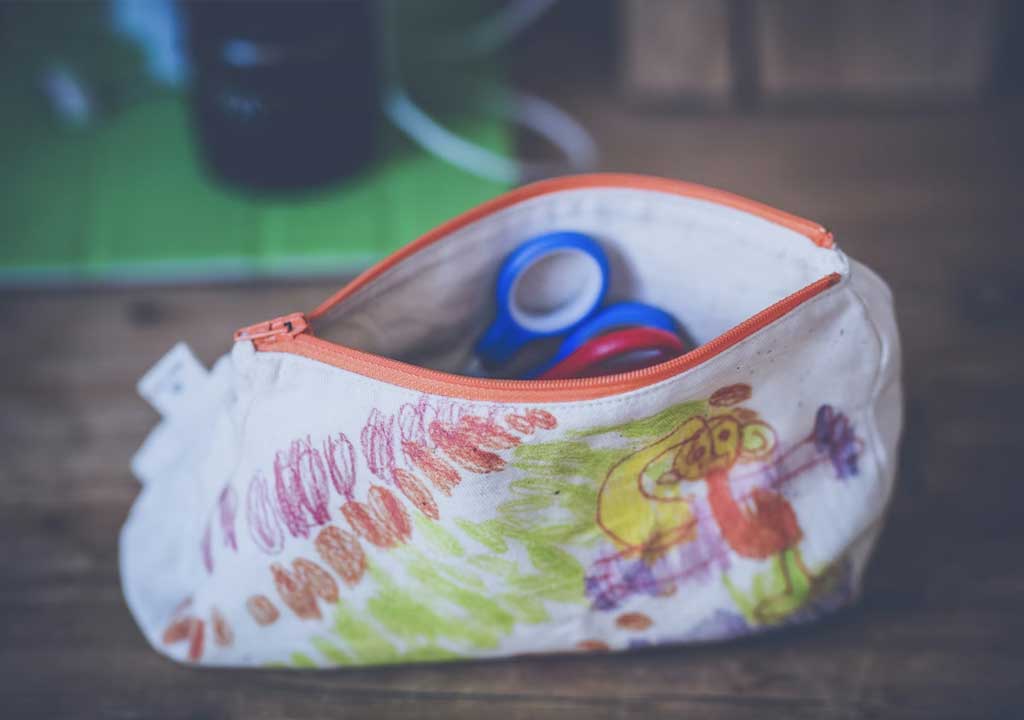
For a more whimsical or hand-drawn look, consider fabric markers or paint. This method is forgiving, gives you full creative control, and is ideal for students who enjoy drawing and doodling. It’s also a great option if you don’t have access to a sewing machine or heat press.
What you’ll need:
- Fabric markers, paint pens, or fabric-safe acrylic paint
- Fine brushes or nibs for precision
- Painter’s tape or stencils (optional for crisp edges)
- Clear fabric sealant or fixative (optional for durability)
Steps:
1) Lightly sketch the monogram on the case with a pencil or faint marker. Place a protective layer beneath to prevent bleed-through to the back side or layers below.
2) Trace over your sketch with markers or paint using a steady hand. For thicker initials, outline first with a fine liner and fill in later.
3) Allow to dry completely. If using paint, apply a second coat or a sealant for longevity.
4) Finish by heat-setting with an iron on a low setting if recommended by the product instructions.
5) Optional: Add subtle highlights or decorative accents like small stars, lines, or doodled borders to enhance the monogram’s personality.
Tip: For a neat look, use painter’s tape to create crisp edges, and test colorfastness on a scrap fabric before applying to your pencil case.
Choosing the Right Pencil Case: Material, Color, and Size
Your monogram looks best on a case that supports your chosen method and color palette. Here’s how to pick a pencil case that harmonizes with your monogram plan:
- Material matters: Canvas, denim, and cotton fabrics accept embroidery well and hold up under wear-and-tear. Nylon and faux leather can pair well with iron-on designs or patches. Consider stitching density and fabric stability when choosing a method.
- Size and proportion: A compact 6–8 inch wide case is ideal for a single-line monogram or a small patch. Larger cases or travel organizers provide space for bigger initials or additional monogram elements.
- Zippers and texture: Smooth, sturdy zippers make the monogram look clean. Textured surfaces may require patches or embroidery to ensure durability and alignment.
- Color coordination: Choose a base color that makes your monogram pop. If you opt for a bold color monogram, balance with a more subdued case color, or vice versa, for a cohesive look.
- Occasion: For school, keep the design legible and durable. For gifts or personal use, you can experiment with more intricate designs or playful typography.
Color Theory and Font Choices: Making the Monogram Speak
Color and typography are the silent storytellers of your monogram. Even a small set of initials can convey a mood, whether serious, playful, or elegant. Here are practical guidelines to help you pick wisely:
- Contrast is king: High contrast between monogram and case ensures legibility. If your case is dark, think light thread or vinyl; if your case is light, opt for a darker monogram.
- Coordinate with outfits or school colors: Align your monogram colors with your school’s colors or your favorite wardrobe staples to create a cohesive look.
- Font mood: Serif fonts lend a traditional vibe; sans-serif fonts feel modern and crisp; script fonts feel personal and decorative but require careful spacing for legibility at smaller sizes. For embroidery, simpler fonts are easier to stitch cleanly.
- Size matters: Small initials require precise lines; avoid overly intricate letters that may blur together during embroidery or heat transfer. Test on similar fabric scraps if possible.
DIY Projects and Tutorials: Step-by-Step Ideas
Ready to roll up your sleeves? Here are several beginner-to-intermediate projects you can tackle in a weekend. Each pathway includes a quick starter checklist and a simple, actionable plan.
Project A: Simple Three-Letter Embroidered Monogram on Canvas
A gentle introduction to embroidery that yields a classic, durable result.
Starter kit:
- Small embroidery hoop (4x4 inches)
- Canvas pencil case with a solid panel on the front
- Stabilizer (tear-away for easy removal)
- Embroidery floss in three colors (one for each letter)
- Size-appropriate embroidery needle
Steps:
1) Choose a three-letter monogram and plan the layout. Center the design on the panel.
2) Mark the design lightly with a water-soluble marker.
3) Hoop the fabric with stabilizer, ensuring minimal slack.
4) Stitch using a simple satin stitch or backstitch for clean lines.
5) Finish and trim. Remove stabilizer and press gently from the back.
6) Optional: Add a border stitch around the letters for a finished look.
Tips: Practice a few stitches on scrap fabric before starting on the pencil case. Keep stitches consistent in length for a neat resulting monogram.
Project B: Iron-On Monogram on a Nylon Pencil Case
Fast and functional—great for commuters or students who want a personal touch without sewing.
Starter kit:
- Nylon pencil case
- Iron-on letters or HTV in your chosen color
- Iron or heat press
- Parchment paper
Steps:
1) Position your monogram on the case and smooth out any wrinkles.
2) Cover with parchment paper to protect the surface.
3) Apply heat per product instructions and secure for the recommended time.
4) Let cool completely before handling.
5) Optional: Seal edges with a light, fabric-safe topcoat to extend durability.
Notes: Avoid high heat on delicate fabrics; test on a fabric scrap first if possible. For added durability, consider stitching a small fabric patch behind the iron-on if your case’s surface is uneven.
Project C: Paint-and-Patch Personalization
Combine hand-drawn monograms with a decorative patch to create a one-of-a-kind design.
Starter kit:
- Fabric markers or fabric-safe paint
- Small iron-on patch or fabric patch with your initials
- Clear sealant or fabric fixative (optional)
Steps:
1) Sketch your monogram with a light pencil.
2) Fill in with markers or paint, adding decorative elements if desired.
3) Place the patch and press with the iron as per patch instructions.
4) Apply sealant for extra durability if you expect heavy use.
5) Allow to dry completely before using.
Tip: Use stencils for crisp, repeatable shapes if you’re not confident in freehand drawing.
Care and Longevity: Keeping Your Monogram Fresh
Durability matters when you’re selecting monogram methods. Each method has its own care requirements to keep the design legible and intact over time:
- Embroidery: Generally long-lasting. Avoid aggressive washing on delicate fabrics; consider gentle cycles or hand washing. For cotton canvas, air dry to preserve fabric integrity.
- Iron-on/HTV: Heat-pressed designs tend to wear after repeated wash cycles. Turn the pencil case inside out and wash on a gentle cycle or hand wash if possible. Avoid high heat when storing or ironing other items on top of the design.
- Fabric paint/markers: Most durable when heat-set. Follow product instructions; some paints require heat setting with an iron. Store away from direct sunlight to prevent color fading.
- Patches: Seams and edges can lift over time. Re-secure edges with a quick stitch if needed, or add a tiny patch border to strengthen adhesion.
Inspiration Gallery: Styles for Different Personalities
To help you visualize possibilities, here are quick style palettes aligned with different personalities. Use these as a starting point and remix with your own initials, colors, and fonts.
- Classic scholar: Navy canvas, white or ivory embroidery with a traditional serif font, centered monogram, subtle satin stitching for a refined look.
- Minimalist modernist: Charcoal or graphite gray case, monochrome black or white monogram in a clean sans-serif font. Simple lines, high contrast, crisp edges.
- Playful creator: Bright aqua or coral case, multicolored embroidered letters or color-block HTV design. A whimsical script or stacked letters for personality.
- Free-spirited traveler: Earth tones (sage, terracotta) with an embroidered patch featuring a subtle map motif or small compass. A light, breezy script can read as adventurous.
- Retro vibe: Teal or mustard case with a bold block font or a classic retro script. Consider a contrasting thread color and a small border for a vintage look.
Gifting Monograms: Making Gifting Personal and Memorable
A monogrammed pencil case is a thoughtful gift for students, graduates, teachers, or coworkers. Here are practical tips to make gifting even more meaningful:
- Gather preferences: Confirm favorite colors, initials, and whether the recipient prefers subtle or bold designs. If it’s for a student, consider school colors or a simple, legible monogram for everyday use.
- Personalize with a note: A small card explaining the monogram’s meaning—your initials, last name, and the careful thought behind the design—adds sentiment.
- Add a small kit: Pair the case with a starter set of pens, pencils, or highlighters to complete the gift and emphasize practicality.
- Choose practical packaging: A simple gift box or reusable pouch aligns with eco-friendly values and makes the unboxing feel special.
Budgeting and Tools: What It Really Costs
Monogramming can be as budget-friendly or as premium as you want. Here’s a rough guide to help you plan:
- Basic DIY (markers/patches): A few dollars for markers, patches, or small HTV sheets. Perfect for quick, low-investment personalization.
- Entry-level embroidery: A basic handheld or entry-level computerized embroidery machine can range from $100 to $400, plus costs for stabilizers, threads, and a hoop. It’s a solid investment if you plan multiple projects.
- Mid-range embroidery setup: A modestly priced machine, plus a wider range of stabilizers, threads, and a selection of fabrics. Expect $300–$800 for a capable setup.
- High-end professional options: For serious crafters or small-batch gift shops, professional machines and software can run into the thousands, along with extended maintenance requirements.
Tips for saving:
- Buy in bulk: Stabilizers and basic embroidery threads are often cheaper when purchased in bulk.
- Use scrap fabric: Practice stitches on scrap fabric before committing to your pencil case design.
- Start small: If you’re new to embroidery, begin with simple outlines before committing to complex fills or decorative motifs.
Frequently Asked Questions
Q: Can I monogram leather or faux leather pencil cases?
A: Yes, but the method changes. HTV patches or debossed monograms work well. Embroidery on leather can be challenging and may require specialized needles and stabilizers. Patch-based approaches are often the easiest for leather-like surfaces.
Q: How do I wash a monogrammed pencil case?
A: Embroidered designs generally hold up well in gentle cycles; iron-on monograms may peel after repeated washing. Hand washing or turning the case inside out is safer for heat-pressed designs. Always check product care instructions.
Q: What if I mess up the design?
A: For embroidery, you can often rehoop and redo a section, or replace the panel. For iron-ons or patches, you can carefully remove and reapply—though some patches may lose adhesive after removal. Practice on scrap fabric first to minimize risk.
Q: Do monograms increase the pencil case’s longevity?
A: Yes, especially embroidery or stitched patches. They resist wear, look polished, and can help you keep track of your belongings in busy environments.
Closing Thoughts: Make It Yours
Monogramming a pencil case is a small, accessible form of self-expression with a big payoff. It’s an act of intentionality—the moment you decide to add your initials, you’re choosing to care for your belongings and carry a piece of your identity with you wherever you go. Whether you opt for the timeless allure of traditional embroidery, the quick charm of iron-on vinyl, or the playful spontaneity of fabric markers, you’ll end up with a pencil case that stands out in the best possible way: a practical item that feels intimately yours.
Remember, the goal isn’t to create a perfect replica of someone else’s design. It’s to explore your style, test methods, and enjoy the process of making something that’s uniquely you. Start with a plan, pick a method that suits your materials and skill level, and let your pencil case become a canvas that tells your story—one initial, one thread, one color at a time.
Takeaway Quick Reference
- Decide on monogram style (three-letter traditional, initials, or full name) and placement on the case.
- Choose a method that matches the material: embroidery for durability, iron-on for speed, or markers for whimsy.
- Align color and font choices with the case color and your personal aesthetic.
- Consider care needs: embroidery is often most durable, while iron-ons may require gentler washing.
- Have fun and tailor the project to your own routine—school, work, or gifting—and enjoy the process of making something uniquely yours.
Invite Your Inner Designer
Before you start, grab a notebook or a quick sketch app and brainstorm a few monogram ideas. Jot down color pairings, font styles, and placement options. Visualize the final result and imagine how you’ll feel every morning when you open your bag to grab a pencil or a pen. Your pencil case is a daily companion—give it a signature that makes you smile, keeps you organized, and carries a bit of you into every day. Monogram magic isn’t just about a mark on fabric; it’s a ritual of personal expression in the ordinary moments that fill our lives. So pick a style, pick a method, and let your pencil case become a celebration of you.
Final Tips for Success
- Practice first: Use scraps of fabric similar to your pencil case material to test stitches or heat-transfer application.
- Keep it simple at first: If you’re new to embroidery, start with a straightforward, bold letter rather than a complex interlaced design.
- Calibrate your expectations: Some methods wear differently with washing and daily use. Choose a solution based on how you’ll use the pencil case most often.
- Have fun with it: Monogramming is an opportunity to experiment with color, texture, and typography. Enjoy the creative process as much as the finished piece.
Ready to Begin?
With these ideas, you’re equipped to explore monogramming your pencil case with confidence. Whether you’re aiming for a timeless, understated look or a bold, fashion-forward statement, your initials can transform a practical object into a personal keepsake. Happy stitching, coloring, or patch-laying—and may your monogram bring a little extra style and organization to every day.
LIKED THIS ARTICLE? SHARE IT: