
















Small Space, Big Utility: Compact Pencil Case Essentials

Small Space, Big Utility: Compact Pencil Case Essentials
In a world where every inch of your bag, desk, or backpack counts, a compact pencil case can be much more than a simple container. It’s a precision tool for organization, a portable studio for ideas, and a reliable companion for students, artists, designers, and professionals who crave efficiency. The trick isn’t packing as many items as possible; it’s choosing the right essentials and arranging them so you can access them quickly, protect them from damage, and still keep your tiny space tidy. This guide dives into compact pencil case essentials—the items that actually earn their keep in a small footprint—and offers practical strategies to maximize utility without sacrificing versatility or style.
Before we dive in, imagine your ideal day: you open a slim, well-organized case, you pull out the exact tool you need, and your creative momentum stays uninterrupted. That is the promise of smart packing. Read on for a field-tested checklist, packing philosophy, and real-world tips that help you extract big utility from a small space.
Whether you’re a student stacking up notes between classes, a designer sketching in coffee shops, or a traveler who needs a compact kit for quick jotting on the go, these essentials will keep you prepared and productive.
1. Choosing the Right Compact Pencil Case
The first step to maximizing small space is selecting the right container. The “right” case depends on how you work, where you carry it, and how much protection you want for your tools. Here are key considerations to guide your choice.
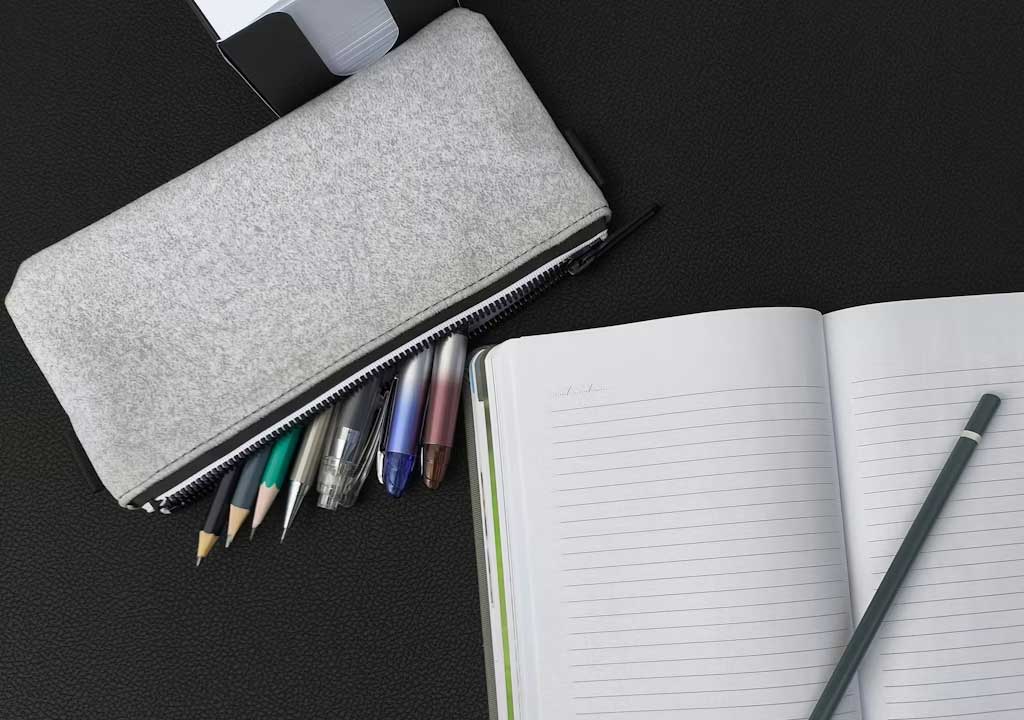
Size and shape matter more than you might expect. A truly compact case should comfortably hold your daily essentials without bulging your bag or weighing you down. Shapes vary—from slim pouches to clamshell organizers and roll-up designs. If you want quick access, a shallow, wide-opening case can be a lifesaver because you don’t have to dig through layers to retrieve a pen. For travel or desk use, a taller, zippered case with segmented compartments can prevent items from shifting and breaking.
Material and build quality influence durability and feel. Nylon or canvas shells with a water-resistant coating protect against rain or spilled drinks in transit. A rigid or semi-rigid shell keeps pencils from being crushed, while a soft fabric case protects delicate markers and fountain pen nibs. Consider a liner that’s easy to wipe clean if you tend to spill ink or keep a small cleaning cloth handy. If you frequently switch between workspaces or climates, look for cases with reinforced seams and sturdy zippers that won’t snag or fail after months of daily use.
Closures and organization features matter too. Zippers that glide smoothly and a layout with clear compartments help you locate tools without rummaging. Some cases offer detachable inserts, elastic pen holders, or mesh pockets that keep items from sliding around. If you’re a minimalist, you might prefer a simple single-compartment pouch and use internal sleeves or a small stackable tray to keep things in place. If you’re the sort who loves micro-organizing, seek a case with internal dividers or a modular system that lets you reconfigure the layout as your needs change.
Color, texture, and style aren’t purely cosmetic. A case that you enjoy looking at and using tends to be more likely to stay in daily rotation. A bright interior makes items easier to spot; a subdued exterior keeps things professional in a classroom or meeting room; and a tactile surface can make handling the case feel more satisfying. The upshot: pick a case that suits your routine and personality because compatibility matters as much as capacity.
As you shop, think in terms of “what is the smallest reliable kit that can hold my daily tools with room to spare for occasional additions?” The answer will guide your choice across materials, compartments, and closure mechanisms. In the end, the best compact pencil case is the one that disappears in use—because you don’t have to think about it; you simply reach for what you need and get back to work.
2. The Core Toolkit: Essentials for Any Case
A compact pencil case thrives on a focused set of essentials. Too many tools can crowd a small space, so the goal is to cover common tasks with versatile items. Here is core kit guidance with practical notes on what to include, why it matters, and how to choose quality without overstuffing your bag.
Begin with the basics and tailor to your routine. The following list is designed for day-to-day writing, note-taking, marking, and light crafting. If your work involves more specialized tasks, you can adjust by swapping in a few extra tools from the suggestions at the end of this section.
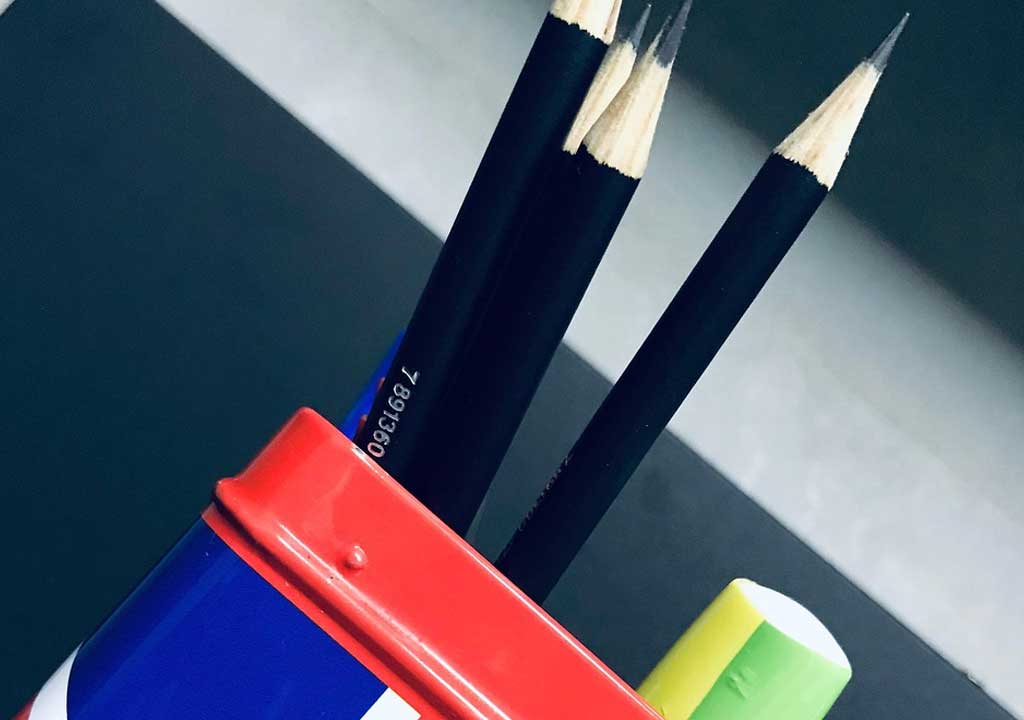
- Pencils: A small set of reliable pencils is the backbone of any kit. Choose a couple of HB or 2B wooden pencils for general writing and shading, and consider a mechanical pencil for precision and repeatability. If you prefer a refillable option, look for a compact mechanical pencil with a 0.5mm or 0.7mm lead. Tip: keep a spare or two in the case if you use them heavily, but don’t exceed the space you’ve set aside for drawing and note-taking.
- Pens: A crisp ballpoint or gel pen covers most writing needs, while a finely-tipped fineliner (0.3–0.5 mm) is ideal for precise notes and outlines. If you’re left-handed, short-reach pens with quick-dry ink can reduce smudging. For professionals who annotate documents, a compact retractable pen and a backup takes the guesswork out of smearing and leaks.
- Highlighters and markers: One or two compact highlighters in bright, tag-friendly colors help you color-code notes. Consider a fine-tipped yellow or pink highlighter that won’t bleed through pages. A small chisel-tip marker can be useful for labels or sets of quick icons in your notebook.
- Erasers and grips: A standard vinyl eraser or a precision eraser cap keeps mistakes from derailing your flow. An eraser shields and protects your notes when you’re sketching or drafting. If you use a mechanical pencil, pack a small spare lead container and an eraser tip refill so you’re never caught in the middle of a project.
- Sharpener: A compact, dual-hole sharpener is perfect for quick re-sharpening on a desk or in transit. Look for a design with a built-in shavings compartment to avoid mess in the case. A small, portable sharpener reduces bulk while preserving the quality of your leads and tips.
- Ruler or scale: A tiny, foldable or retractable ruler is surprisingly handy for quick measurements, layout, or straight lines in notes and sketches. Choose something with clear metric and imperial markings for versatility.
- Scissors or nippers (optional): If your work involves clipping, a tiny pair of scissors, thread nippers, or a micro-blade can be very useful. Keep it compact and safe—rounded tips help prevent accidents in a crowded bag.
- Glue or adhesive stick (optional): For light craft or mending tasks, a mini glue stick can be a lifesaver. It’s small, dries clear, and doesn’t require caps to stay fresh. Only include this if you foresee a need for occasional sticking tasks in your day-to-day routine.
- Correction fluid or tape (optional): A small correction tape or bottle of correction fluid is handy for quick fixes in notes or drafts. Choose a compact version with a small amount of product to prevent leaks and spills in transit.
- Small brush or cleaning cloth: A micro brush or soft cloth helps keep nibs and surfaces clean. This is especially useful if your kit includes markers or watercolor tools, which can accumulate dust or pigment on tips.
When assembling your core toolkit, prioritize versatility over sheer quantity. Each item should have a clear purpose and a reasonable chance of being used regularly. If you’re unsure, start with a minimal set (2–3 pencils, 2 pens, 2 highlighters, a compact sharpener, small eraser, ruler) and add pieces only after you notice gaps in your workflow. The goal is a predictable, reliable lineup that can handle most everyday tasks without turning your case into a drawer.
To optimize for a small space, consider multi-purpose tools. For example, a mechanical pencil with an integrated eraser can replace a separate eraser, sharpening can be accomplished with a compact sharpener, and a ruler that also serves as a straightedge for rulers or stencils can save space. The principle is simple: fewer tools, more reliability, and enough capability to cover your core needs without redundancy.
3. Smart Packing Strategies for Tiny Spaces
Even the best compact pencil case can feel cramped if you don’t deploy smart packing strategies. Here are proven approaches to maximize organization, speed up access, and minimize clutter.
First, categorize items by function and place them in dedicated pockets or zones. A common layout works like this: a front pocket for writing instruments (pens and pencils), a middle section for rulers and sharpeners, and a back pocket for erasers, glues, and small pads. If your case provides elastic mesh pockets, use them to hold caps, spare leads, and ultra-small tools. The trick is to know where to expect each item and to keep frequently used tools near the opening for quick grabs.
Second, use color-coding or labeling to speed recognition. You can designate specific colors for different tool families (e.g., blue for pencils, red for pens, green for highlighters). Small labels on the outside of the case or on inside flaps can help you remember what goes where, reducing search time during exams, meetings, or creative sessions.
Third, prioritize accessibility for daily items. Place the items you reach most often near the zipper or opening edge. If you find you’re always reaching for a particular pen, position a backup in an easily accessible spot so you stay in the flow rather than losing momentum while digging through your kit.
Fourth, use modular inserts or stackable organizers. Some compact cases allow you to insert compartments or swap out dividers. If your work evolves—more drawing, then more writing, or you take on a new subject—modular inserts can adapt without needing a new case. If your case has removable sections, take advantage of that flexibility to reconfigure for a short project or a long-term routine change.
Fifth, protect the most fragile tools. Place fragile items like fountain pen nibs, delicate markers, or cap-tip rollerballs in padded pockets or a soft microfiber sleeve. If your case lacks padding, consider adding a slim protective sleeve for high-risk items to prevent bending or leaking in transit.
Finally, consider the physics of space. Remember that bulk does not equal capability. A few well-chosen tools can do more work than many crowded items. If your space is tiny, adopt a “less is more” mindset and periodically review what you actually use. If something hasn’t left the case in a month, replace it with something more useful—or remove it entirely. A lean kit stays light, fast, and ready for action.
4. Design Tricks: Aesthetic and Functional Touches
Design isn’t just about looks; it’s about creating a workflow that feels natural. Here are practical design tricks to elevate your compact pencil case experience while preserving space and practicality.
Color coding and labeling aren’t only for aesthetics; they speed recognition and reduce the mental load when you’re rushing between classes, meetings, or deadlines. A small set of color-coded bands, stickers, or interior markers can help you identify tool families at a glance. For digital workflows or cross-school projects, color coding helps you reuse the same kit across subjects without reconfiguring every time.
Transparent or mesh pockets offer quick visibility. If you like a minimal look but still want instant access, a bag with clear inner pockets allows you to locate items without pulling everything out. Mesh pockets also let you see where your items are without opening each section, and they help air out any damp or dampened tools after rain or humid days.
Labeling can be as simple as a few lightly written notes on the interior lid, or as elaborate as a waterproof tag system on the exterior. The key is to avoid complexity that slows you down. A few well-placed labels or a short legend in the interior can keep your routine consistent and fast.
Protective coatings and tips matter if you carry ink-based tools. A thin silicone sleeve around a fountain pen, or a cap to prevent nib damage, can extend tool life. If you use markers or pigments, consider a small wipeable sleeve to catch drips and protect the interior fabric from stains.
Finally, think about personal style. A case you enjoy using will be a more reliable companion. A sleek monochrome look may suit professional environments, while a playful pattern or color combo can boost mood during long study sessions. Your case should reflect your personality while staying firmly task-focused.
5. Case Types and Recommendations by Use Case
Different use cases demand different case designs. Here are practical categories and how to tailor your choice to fit your daily routine:
Students (wide-ranging subjects, many notes): A mid-sized, multi-pocket case with a shallow depth is ideal. You’ll want easy access to pencils, highlighters, and a compact ruler. Look for a design that holds a few mechanical pencils, two gel pens, two highlighters, a small eraser, a sharpener, and a slim ruler. A little extra space for a small sticky note pad or a spare USB drive is a bonus but keep the core kit compact.
Artists and designers (sketching, shading, quick ideation): Consider a case with stiffer shells or a roll-up design that protects fragile markers and nibs. Include a fine-tip pen, a mechanical pencil with lead in 0.5 mm or 0.7 mm, a couple of markers (one fine liner, one broad marker for shading), a portable eraser, a compact sharpener, a small ruler, and a tiny brush or blending tool. A roll-up design can house felt tips, brush markers, and a nib-ready reservoir without cramping the interior.
Professionals (meetings, conferences, fieldwork): A slim zippered case that occupies minimal space in a briefcase is ideal. Pick a neutral color with a clean interior. Pack a good ballpoint pen, a reliable gel pen, a fine liner, a compact correction tool, a small ruler, and a compact glue or adhesive for quick on-site fixes. If your job requires digital note-taking, include a small stylus, a whiteout alternative, and a micro USB or USB-C adapter if your meetings rely on tablets or laptops.
Travelers and commuters (changing environments, limited desks): A sturdy, water-resistant case with a zipper closure is a must. You’ll want a rugged interior, a shallow stack of core tools, and possibly a small notepad or sticky notes for quick journaling on trains or in airports. Include a compact pen, a pencil, a red or blue highlighter, a small eraser, and a sharpe set for on-the-go adjustments. Consider adding a tiny portable sharpener and a spare lead tube to stay prepared across languages, regions, or classrooms.
In each scenario, the objective is to tailor a compact kit to the environment and workload. You can swap in a few specialized tools for specific tasks, but maintain a lean base kit that travels well. When you understand how your typical day unfolds, you’ll instinctively know what to keep, what to skip, and how to reconfigure your case to match the season or project.
6. Maintenance Tips to Extend Longevity
Even the best-designed compact case needs regular care to stay functional. Here are practical maintenance tips to help your kit perform year after year without shedding buckles, fraying fabric, or leaking ink on important documents.
Empty and wipe down periodically. A quick reset every few weeks prevents buildup of dust, ink, or pencil shavings. Use a soft cloth to wipe down the interior and exterior, and clear out any non-essential items that have sneaked in and aren’t used regularly. A clean interior makes it easier to see what you have and what you need to restock.
Inspect the zippers and seams. Small cases rely on sturdy zippers and durable seams. Check for snagging, fraying, or loose threads. If a zipper begins to skip, apply a tiny amount of graphite or dry lubricant designed for zippers. If seams pull, consider a temporary repair with fabric glue or a dedicated seam sealant, but plan for a longer-term fix if the damage worsens.
Protect against moisture and spills. Use a moisture-absorbing sachet or silica gel packet inside your bag to reduce humidity, especially in rainy climates or during travel. If a spill occurs, remove the contents promptly, wipe the interior, and dry thoroughly before reassembling. For ink-based tools, ensure there’s a protective cap or barrier to prevent leaks during transit.
Replace consumables regularly. Leads, erasers, and ink cartridges wear out with use. Periodically check the state of core items and replace them before they become unusable at critical moments. A small spare box of leads, an extra eraser, and a backup pen can save you from last-minute stress during exams or meetings.
Keep it friendly to your desk. If you share a workspace or work in multiple locations, consider a secondary, “desk” kit with more robust tools. The portable kit should remain light and ready for travel, while the desk kit can house heavier items and spare supplies. This split keeps your mobile kit efficient and prevents your desk from being overwhelmed by tools you rarely use.
7. Quick DIY Hacks: Turn Any Container Into a Compact Kit
If you’re starting from scratch or want to customize a bag you already own, these DIY hacks can transform almost any container into an efficient compact pencil case—without breaking the bank.
Convert a small makeup bag or coin purse. A tiny, soft pouch with a zipper can become a perfect pencil case with a few simple insert organizers. Add a few elastic loops or a small fabric divider to separate pencils, pens, and markers. If your container has a mesh pocket, use it for spare leads and eraser toppers. This option is great if you want a flexible interior that can hold both writing tools and tiny craft supplies.
Use a tablet sleeve or tool roll. A slim tablet sleeve with a folding layout can become an elegant and protective pencil case. If you opt for a roll-up design, bind the interior with elastic bands to secure items like pens, pencils, and a small sharpener. Roll-ups save space and are easy to store in a backpack or briefcase between classes or meetings.
Recycled containers with magnetic strips. A small magnetic strip or a sheet of thin magnetic paper inside the lid can hold metal pens or clips in place. This approach reduces rattling and ensures your tools remain accessible. Line the interior with a soft fabric to prevent scratches on delicate nibs and pen barrels.
Custom inserts from craft stores. A low-profile, modular organizer with removable compartments helps you tailor the interior to your needs. You can create compartments for writing tools, a tiny brush, a glue stick, and a cleaning cloth. The ability to swap compartments makes this approach highly adaptable for varying workloads.
DIY labeling and visibility. Use removable label stickers or a small dry-erase panel to indicate tool categories or daily setups. If you change your kit seasonally, a simple legend helps you reconfigure quickly without guessing where tools belong.
8. Real-World Scenarios: How People Use Small-Space Kits
Hearing real-world stories can illuminate practical choices that work in daily life. Here are a few snapshots of how people optimize compact pencil cases in different environments.
A university student commuting between lectures might keep a small, water-resistant case in a backpack pocket. The kit contains two graphite pencils for quick note-taking, a blue-black gel pen for readings, a thin highlighter, a compact eraser, and a travel-size sharpener. When the student shifts to group project work, the same case accommodates a spare ruler and a few extra leads without becoming burdensome. It’s a reliable, fast kit that travels well between classrooms and libraries.
A freelance designer who travels between client sites uses a roll-up case that protects markers, a fine liner, and a mechanical pencil. The interior includes a few elastic loops to hold nibs and extra leads, and a fold-over flap creates a secure pocket for a tiny brush or blending tool. The roll-up design ensures everything stays flat in luggage, and the case can be easily tossed into a tote or messenger bag for quick access on-site.
A teacher who moves between classrooms keeps a compact case clipped to a lanyard or store it in a desk drawer. The kit features a bright set of highlighters, a couple of versatile pens, and a small eraser. The clipping mechanism makes it easy to grab the exact tool needed during lectures, marking, or grading, while minimizing desk clutter between classes.
Travelers use compact kits to keep notes accessible in airports, trains, and cafes. A small case with a robust exterior holds a tiny pen, a pencil, a highlighter, and a few essential tools for jotting down ideas or translating quick notes into action. The compact design ensures it never weighs you down while you’re moving through crowds or hopping on and off buses and planes.
9. Final Thoughts: Embrace the Essentials, Elevate the Experience
Small space does not have to mean small possibilities. By prioritizing essentials, choosing the right case, and employing smart packing strategies, you can create a compact pencil case that delivers big utility. The goal is to harmonize form and function: a case that is light enough to carry all day, durable enough to withstand daily use, and thoughtfully organized so you can act quickly rather than rummage. With a little planning, your tiny toolkit becomes a powerful assistant—capable of supporting your writing, drawing, planning, and daily organization wherever you go.
Remember, the most effective compact pencil case is the one that vanishes into your workflow. It should feel almost invisible because you are using it so naturally and instinctively. Start with a lean core of essentials, test it for a week, and adjust based on what you actually reach for. Your small space will feel less crowded, and your big ideas will have room to breathe.
In the end, compact does not mean limited. It means intelligent planning, purposeful selection, and the freedom to take your toolkit wherever your day leads. Small space, big utility—this is the promise of a well-curated compact pencil case. Happy packing, and may your notes stay crisp, your lines stay tidy, and your ideas stay bold.
If you’d like, tell me about your daily routine and the environment you work in. I can tailor the core kit and layout to your exact needs, suggesting specific products and configurations that fit your space, budget, and style. Your perfect compact pencil case is closer than you think—let’s build it together.
LIKED THIS ARTICLE? SHARE IT: