

















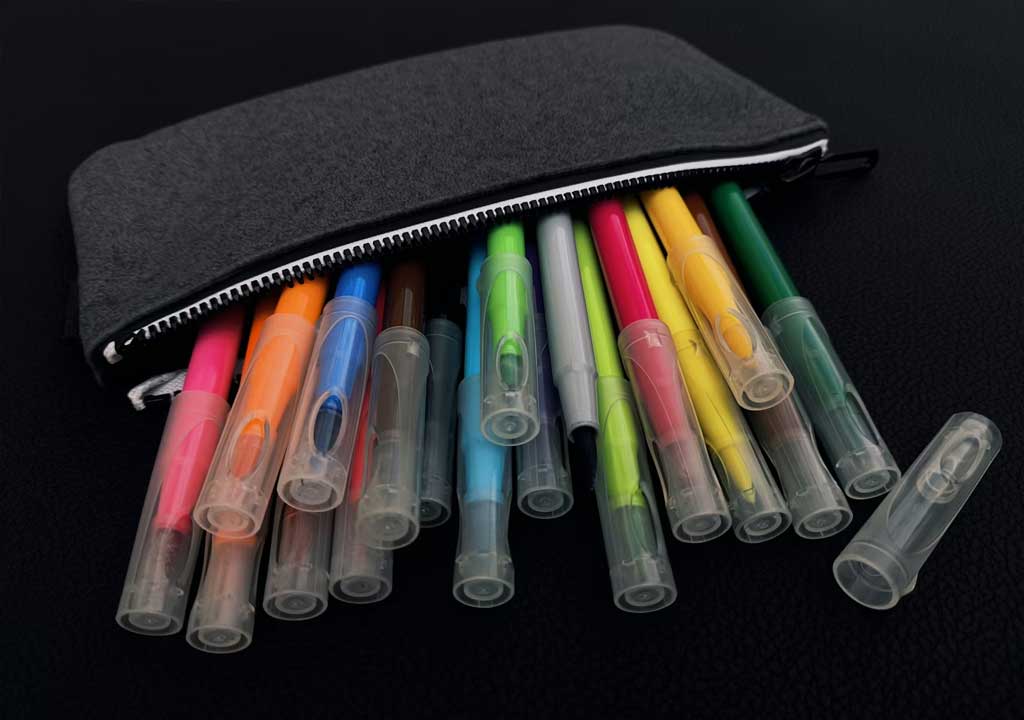
Everyday Essentials: The Ultimate Pencil Case Guide

Everyday Essentials: The Ultimate Pencil Case Guide
Whether you’re a student, a professional, an artist, or simply someone who appreciates a tidy workspace, a well-stocked pencil case is more than a cute accessory. It’s a compact toolkit that travels with you, keeps your tools organized, and reduces friction when ideas strike. The right pencil case can help you write, sketch, plan, and problem-solve with clarity, no matter where you are. In this guide, we’ll explore what makes a pencil case truly essential, how to choose the right one for your needs, and exactly which items deserve a permanent home inside. We’ll also share practical tips for organization, maintenance, and customization so you can craft a setup that lasts through semesters, projects, and busy seasons.
Why a Pencil Case Still Matters
In a digital age, it’s tempting to rely solely on devices for everything. Yet a pencil case offers tactile, immediate access to your most reliable tools. Here are a few reasons why a well-curated case remains indispensable:
First, it reduces decision fatigue. When you know where your favorite pen lives, you don’t waste minutes searching. Second, it protects your tools. A case shields fragile components like fine-tipped pens, mechanical pencils, and delicate erasers from crushing or bending in a bag. Third, it promotes ease and efficiency. Having the right item at the ready—be it a ruler for quick measurements or a glue stick for a last-minute craft—can save a project’s momentum. Finally, it reflects your process. Your pencil case is a portable reflection of how you work—organized, creative, purposeful, or a little playful.
Beyond personal utility, a pencil case also encourages sustainability. By carrying only what you genuinely use, you avoid disposable, single-use items and reduce clutter. A durable, well-designed case can accompany you for years, and the habit of maintaining it translates into a more mindful approach to your daily toolkit.
How to Pick the Right Pencil Case
Choosing the right pencil case starts with understanding your needs. Consider how you’ll use it, where you’ll take it, and what kinds of tools you rely on most. Use these factors as a checklist when shopping or evaluating what you already own.
Key factors to consider:
- Size and capacity: Do you need space for pencils, pens, and sketches, or is a slim pouch enough for a few essentials? Think about current tools and any likely additions in the near future.
- Material and durability: Fabrics (nylon, canvas, waxed canvas), leather, or PVC; each offers different durability, weight, and style. If you commute in rain or snow, prioritize water resistance.
- Compartments and organization: Do you want multiple internal pockets, mesh sleeves, or a single open space? Consider whether you want a rigid, semi-rigid, or soft shell.
- Closure type: Zipper, magnetic snap, or drawstring—each keeps items secure in different ways. A sturdy zipper often lasts longer and prevents spills.
- Portability and weight: If you’ll carry it daily in a backpack, lighter is better. If it sits on a desk, weight may be less of a concern.
- Maintenance: Some materials clean easily; others may stain. Think about ease of washing or wiping down.
- Style and ethics: Do you prefer a minimal look, bold color, or eco-friendly materials? If sustainability matters, seek brands that offer recycled fabrics or vegan options.
- Price and value: A higher upfront investment can pay off with durability and better organization, but there are reliable options across price points.
Pro tips for testing a pencil case before purchase: check for smooth zippers, try zipping and unzipping with bulky items inside, test the ease of inserting and removing your most-used tools, and visualize your daily routine to ensure the layout supports your workflow. If you already own a case, flip it inside out to inspect stitching, seams, and any weak points—these are early indicators of long-term durability.
Everyday Essentials Your Pencil Case Should Carry
What you keep in your pencil case should reflect how you work, not just what looks nice. Below is a practical, comprehensive list of essentials organized by category. You’ll notice some items are small but mighty; together they form a reliable kit that covers writing, annotating, measuring, fixing, labeling, and organizing.
Writing and Drawing Essentials
These are the non-negotiables for most people who rely on a pencil case daily:
- Pens: A dependable ballpoint or gel pen for smooth writing, a fine-liner or fineliner (0.4–0.8 mm) for precise notes and sketches, and a bold color pen for emphasis or color-coding.
- Markers and highlighters: A small selection of water-based highlighters in a few colors for highlighting text or adding accent in margins. A dual-tip brush marker can be handy for quick doodles or color fills.
- Markers with refillable tips: If you prefer sustainability, opt for refillable markers to reduce waste.
Erasers, Sharpeners, and Corrections
- Erasers: A standard vinyl eraser for pencil work, plus a kneaded eraser for lifting graphite and soft shading without tearing the paper.
- Sharpener: A compact, double-hole sharpener that works with both standard pencils and thicker carpentry-style pencils if you use them for notes or doodles.
- Correction tools: A correction tape or liquid white-out for neat, quick fixes on printed or notebook pages.
Measuring, Ruling, and Layout
- Ruler: A small metric ruler (15 cm or 6 inches) or a transparent ruler to align margins and sketch straight lines.
- Protractor or compass (optional): For students or designers who occasionally work with geometry or precise diagrams.
- Index cards or sticky notes: For quick reminders, flagging pages, or jotting ideas on the fly.
Adhesives, Tape, and Miscellaneous Tools
- Glue stick: Non-messy, quick-drying glue for paper and light crafts.
- Scissors (small): A compact pair that’s safe to carry in a case for cutting paper or opening packages.
- Double-sided tape or Scotch tape: Handy for mounting or quick repairs on paper documents.
- Utility knife (safety capped) or small craft knife: For precise cuts on thicker boards or cardboard, used with caution.
Organization and Digital Compatibility
- Mini notebook or notepad: A small, portable place to capture thoughts, to-do lists, or sketch ideas without pulling out your entire device.
- Cardholders or label stickers: For tagging contents, organizing by project or subject, and keeping loose items grouped.
- USB drive or tiny USB-C/Lightning adapter: A slim memory stick or adapter helps bridge the gap between analog notes and digital work, especially on the go.
- Earbuds or a tiny headset: For focus sessions, calls, or listening to audio notes while working in public spaces.
Sanitation, Care, and Comfort
- Hand sanitizer or wipes: A quick hygienic touch when you’re on the move.
- Travel tissue or cloth: For cleaning screens, wiping off ink smudges, or polishing surfaces.
- Small cloth or microfiber sleeve: To wipe your pencils, pens, or ruler clean without leaving fibers behind.
In practice, you don’t need all of these items at once. Start with your staple tools—your most-used pen or pencil set, a couple of highlighters, a sharpener, and a small notepad—and then add items based on your specialty (e.g., artists might prioritize blending pencils and erasers, while engineers may need precise rulers and a sharp knife). The goal is to tailor your kit to how you actually work, not merely to stock a perfect-but-unusable catalog of tools.
Organizing by Use Case
Different situations demand different configurations. Here are three common use cases with suggested contents and layouts. Adapt these templates to your personal preferences and daily routines.
Student Essentials Kit
Students benefit from a balance of writing, planning, and quick fixes for assignments and tests.
- 2–3 pencils, 1 mechanical pencil
- 1 pen (black or blue) and 1 color pen for notes
- 2 highlighters (different colors)
- Erasers, one kneaded and one vinyl
- Small sharpener
- Ruler and a few sticky notes
- Glue stick and a roll of tape
- Mini notepad and a few binder clips
- USB drive or cloud access reminder card
Office Professional Kit
For daily planning, meeting notes, and on-the-fly edits, professionals may want a more streamlined setup with a focus on reliability and discretion.
- 1 high-quality ballpoint or gel pen (dries quickly, minimal bleed)
- 1 precision fineliner for diagrams and notes
- 1 mechanical pencil with spare leads
- 1 compact eraser and 1 correction tape
- Small ruler and a pocket notebook
- Sticky notes, page flags, and cardholders for contact information
- USB drive or portable charger cable”
- Compact scissors and tape for quick document edits
Creative and Art Kits
Artists and designers often require more variety, from graphite to color blends, plus tools that support quick ideation and sketching on the go.
- HB and 2B pencils, a mechanical pencil
- Fine liners and brush markers
- Color markers and a few pastel pencils
- Erasers (vinyl and kneaded) and a sharpener
- Ruler and a small compass
- Adhesives for quick collage or paper work
- Compact scissors and a glue stick
- Small sketchbook or notepad
Whichever use case you choose, aim for a setup that minimizes digging and maximizes accessibility. Consider color-coding parts of the case or labeling inner compartments to quickly locate items. For example, you might designate one inner zip pocket for pencils and another for writing tools, while a wide open section could house a small notebook and a few tablets or thin electronics.
Maintenance and Longevity
A pencil case is not a one-and-done purchase. Its longevity comes from regular maintenance, mindful use, and occasional refreshes. Here are practical tips to keep your case in top shape year after year.
Cleansing and Care
How you clean depends on the material, but these general tips apply to most cases:
- Empty the case completely, then shake out crumbs and debris.
- For fabric cases, spot-clean with a mild soap solution and a soft brush, then air-dry fully before reloading.
- Wipe down plastic or vinyl interiors with a damp cloth to remove ink smudges or sticky residues.
- Check zippers for snags; gently work them free with a pencil or a zipper lubricant if needed.
- Rotate items to avoid overuse of a single pocket; this prevents uneven wear on the lining.
Rotation and Refresh
Periodic rotation helps ensure you aren’t carrying unused tools that add weight without benefit. Every term or season, review the contents and remove items you haven’t used in a while. Likewise, refresh expired or deteriorated tools—erasers that leave residue, dried-out markers, or dull blades should be replaced. A lighter, cleaner kit makes you more likely to use it, rather than letting it languish at the bottom of a bag.
Labeling and Systematization
Labeling pockets or using a clear inner divider can dramatically improve your workflow. If you’re experimenting with a new layout, give yourself a week to adjust. You’ll learn which items are truly essential, which can be consolidated, and which pockets are underutilized.
Style, Sustainability, and Ethical Considerations
Your pencil case can reflect your values as well as your taste. If sustainability is important to you, consider these options:
- Materials: Look for recycled fabrics, organic cotton, or plant-based coatings. Waxed canvas offers durability and a classic look, while recycled nylon provides water resistance with lower environmental impact.
- Durability: A well-made case reduces waste because it lasts longer. Pay attention to stitching, seam strength, and zipper quality.
- Brand ethics: Support companies with transparent supply chains, fair labor practices, and responsible packaging.
- Repairability: Some brands offer replacement parts or easy repair for zippers and seams, extending the life of your case.
Style matters too. A clean, understated case can be professional in the workplace or classroom, while a playful or vibrant design can spark creativity. Choose a look that motivates you to open it and get to work.
DIY Pencil Case Hacks and Customization
If you enjoy personalizing your gear, here are some simple, practical hacks to tailor your pencil case to your workflow without needing specialized tools.
- Label each section: Use small stickers or fabric markers to indicate the contents of each pocket (e.g., “Pencils,” “Gluestick,” “Notes”).
- Use binder clips or mini elastic bands: Create makeshift dividers for loose items or to hold a spare notebook in place.
- DIY inserts: Sew or glue on extra pockets or sleeves using scrap fabric to accommodate rarer tools.
- Color-code for speed: Assign colors to categories (blue for writing, green for highlighters, red for corrections) to cut search time.
- Protect fragile items: Add a small zippered divider specifically for delicate items like spare nibs or fragile erasers to prevent crushing.
Customizing isn’t just about looks. It helps you create a workflow that suits your habits, speeds up tasks, and makes your day feel a little smoother. A few clever tweaks can transform a generic case into a precise toolkit that matches how you really work.
Digital Tools Within Your Pencil Case
Even in a traditional pencil case, you can integrate lightweight digital aids that complement your analog workflow. The idea is to keep them compact and unobtrusive so you don’t sacrifice portability or clutter.
- USB flash drive or USB-C drive: For portable backups of notes, lecture slides, or project files.
- USB-C adapter or small multi-tool dongle: If you use tablets, lightweight laptops, or phones, a compact adapter can save you time in classrooms or meetings.
- Small power bank cable: A short charging cable can be a lifesaver during long study sessions or travel.
- Screen-cleaning cloth and stylus tip cleaner: Keep screens glint-free for note-taking on tablets or phones.
When integrating digital tools, be mindful of weight and bulk. Prioritize multi-use items and choose compact options to preserve the pencil case’s portability.
Travel, School, and On-the-Go Scenarios
A pencil case shines when you’re away from your usual desk. Here’s how to optimize for travel, school campuses, or fieldwork.
On the road or in transit, a pouch that is slim, water-resistant, and easy to access is invaluable. Consider:
- A case with a weatherproof exterior to protect contents from rain or humidity.
- A fast-access outer pocket for your transit passes, ID, or a small notebook.
- A compact design that fits neatly in a backpack side pocket or carry-on bag.
In a campus setting, you might want a slightly larger interior with more organization. Consider a case that can switch roles from a pure writing tool kit to a small art set by simply rearranging the contents. For fieldwork, durability, weather resistance, and a rugged interior become crucial; you may opt for a waxed canvas or a reinforced nylon shell with a wipe-clean interior.
Closing Thoughts: Building Your Ultimate Everyday Toolkit
A pencil case is more than the sum of its parts. It’s a portable, personalized toolkit that adapts to your needs and your daily rhythm. The ultimate pencil case isn’t necessarily the most expensive or the flashiest one; it’s the one that helps you work smarter, not harder. It holds your indispensable tools, protects them from wear and tear, and stays organized enough that you can access anything with minimal friction. The best pencil case respects both your style and your responsibilities—sustainability, durability, and practicality all rolled into one compact package.
As you assemble or refine your kit, keep a few guiding questions in mind: Which items do I use every day? Which tools slow me down or create friction? Is there an accessory that would genuinely streamline a common task? How can I arrange the contents to reflect my workflow? By answering these questions honestly, you’ll craft a pencil case that grows with you, year after year.
Final Tips for Maximizing Your Pencil Case Experience
To wrap up, here are some succinct, practical tips to maximize the utility of your everyday pencil case:
- Start simple: Begin with a core set of items you know you use, then slowly add or refine as you test your routine.
- Keep a “favorites” list: Maintain a small list of your most-used tools and check it when you feel your kit is underperforming.
- Regularly audit: Every few months, reassess contents to ensure you’re not carrying dead weight.
- Protect what matters: Use cases with protective linings or padding for delicate items like mechanical pencils or fine liners.
- Be mindful of weight: If you carry a lot of tools, distribute them across multiple containers or keep lighter items in a separate bag to reduce load.
- Invest in quality where it counts: A sturdy zipper, a robust outer shell, and reliable internal pockets save you time and money in the long run.
With a thoughtful selection, your daily routine can become faster, cleaner, and more enjoyable. The right pencil case is not just about keeping things neat; it’s about empowering you to seize ideas, capture them on paper, and carry your best work with you—quietly confident, ready for the next task, and easy to love.
So go ahead and take inventory of your current kit. Replace what’s worn, prune what’s unnecessary, and tailor your organization to your life. Your future self will thank you for investing the time to build this everyday essential—the ultimate pencil case guide, put into practice in your own unique way.
LIKED THIS ARTICLE? SHARE IT: