















Quick Pencil Case Tidy-Ups: Simple Organizing Tricks You Can Try Today

Quick Pencil Case Tidy-Ups: Simple Organizing Tricks You Can Try Today
There’s something oddly satisfying about a pencil case that feels organized, easy to reach, and almost anticipatory of your next idea. If your study desk looks like a tiny chaotic universe every time you reach for a pen, the good news is: you can get a tidy pencil case in just a few minutes with a few deliberate moves. Below, you’ll find practical, fast, and sustainable tricks that anyone can try today. No dramatic furniture overhauls, no fancy gear required—just smart tweaks, a dash of color, and a simple routine that keeps it tidy for real life.
1. Empty, sort, and audit: the quick reset
The fastest way to reset a messy pencil case is to take everything out and sort it into three piles: keep, test, and toss. Start by testing every pen, marker, and highlighter. If a nib is dry or a tip is loose, set it aside. For pencils, loosened erasers, or broken leads go straight to the trash or recycling bin. This audit isn’t punitive—it’s a moment to confirm what you actually use. You’ll often discover items you forgot you owned, and you’ll immediately feel lighter knowing what’s left is essential.
Pro tip: as you test, group similar items together in the moment. A small pile for pens, a small pile for pencils, a small pile for rulers, a small pile for erasers and sharpeners. Seeing clusters form inside your case helps you plan zones more clearly later on. If you find duplicates you never touch, consider gifting one to a friend or donating to a classroom. It’s amazing how much space you can recover by letting go of doubles.
2. Design a simple zones layout: three compact compartments
Think of your pencil case like a tiny workspace with defined zones. A simple three-zone layout works for most cases:
- Zone A (frequently used): the pens, pencils, and high-priority tools you grab every day.
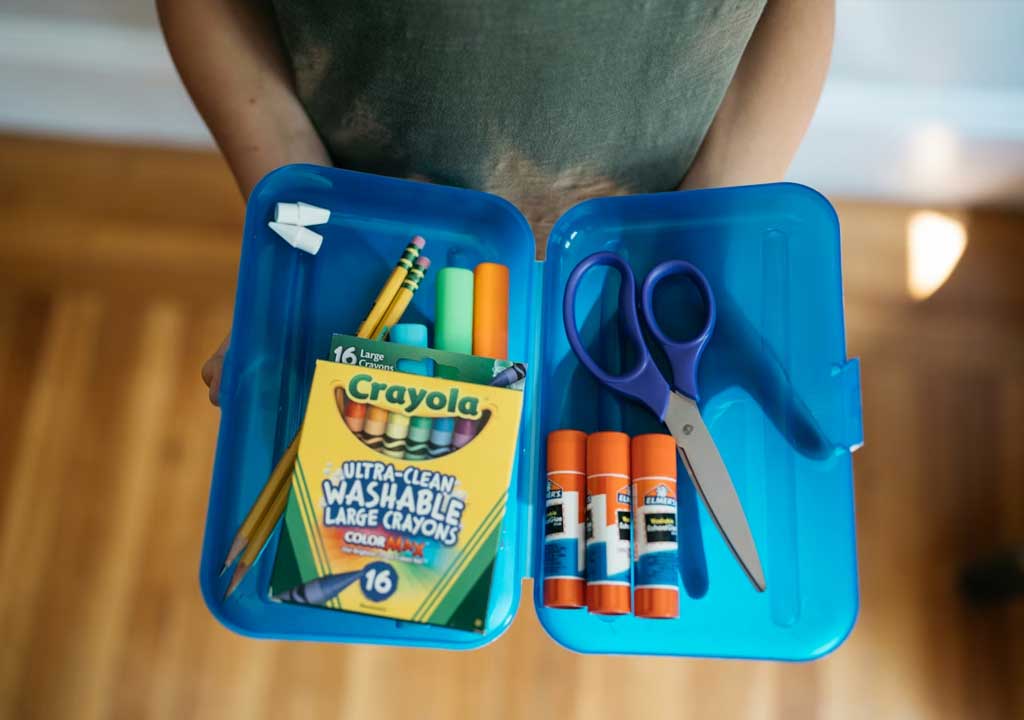
- Zone B (specialty items): erasers, sharpeners, rulers, glue sticks, and small scissors.
- Zone C (backup and extras): spare leads, replacement ink cartridges, extra pencils, and any items you don’t reach daily but want in reach if needed.
To implement, use small flexible containers, mesh pouches, or silicone cups inside your case. If your case lacks internal dividers, you can create the feeling of zones with color-coded pouches or by placing items in the back compartment of the case and keeping the front free for everyday tools. A quick rule of thumb: keep Zone A items in a frequently accessible pocket or pouch, Zone B in a middle section, and Zone C in a tucked-away corner or a smaller pouch toward the back. The visual cue alone makes it far easier to maintain order throughout the week.
3. Embrace multi-compartment pouches and transparent organizers
Clear, multi-compartment pouches are one of the simplest upgrades you can make for fast tidying. The transparency lets you spot what you need without dumping everything again, and compartments keep items from sliding into a jumbled jumble. When possible, pick pouches with a zipper or snap closure to secure small items. For those who like to see everything at once, a single clear pouch with internal dividers can replace several small containers and dramatically reduce the “open-ness” that makes a case feel chaotic.
If you’re on a budget, repurpose a few small travel sachets or mini cosmetic organizers. They’re often the right size for a standard pencil case and provide inner pockets for segmentation. The return on investment is immediate: you’ll stop losing small items, and you’ll stop endangering your pens with loose caps banging against each other.
4. Use elastic bands and DIY straps to corral groups
Elastic bands aren’t just for hairdos—they’re a lightweight, flexible way to corral items that tend to migrate. Try these quick hacks:
- Wrap a wide elastic band around a chunk of pens by color family (blues in one bundle, blacks in another). This makes it easy to grab a single type without hunting.
- Use a few short elastic loops inside a pouch to hold pencils and rulers upright. It prevents items from rolling and keeps tips accessible.
- If you have a loose sharpener or a small glue stick, create a dedicated elastic pocket by attaching a small loop of elastic to the inner lining of your case (or tape a tiny fabric loop to the outside pocket).
Don’t overdo it—elastic should simplify access, not create a new mess. Replace worn elastic in minutes and keep a small stash of spare bands for quick replacements.
5. Color coding for instant recognition
Color coding is less about fashion and more about speed. Assign a color to each category and stick with it. For instance:
- Blue for ballpoint pens and gel pens
- Red for highlighters and markers
- Green for pencils and graphite tools
- Orange for erasers, correction tape, and sharpeners
Label the pouches lightly with color tags or small stickers if you like extra clarity. The goal is to be able to spot the “blue” zone from across the room and reach the exact tool you need without rummaging. Even if you have a low-tech setup, color groups dramatically reduce decision fatigue during a busy morning or a long writing session.
6. Labeling for quick retrieval: tiny, durable, and reversible
Labels don’t have to be fancy. The idea is to have a quick map of what each pocket holds. Use a label maker, masking tape, or printed paper cut to size with clear tape over the top. Place labels on the outside of pouches or on the case lid over the corresponding area. If you’re sharing a case with classmates, keep the labels simple and legible so it’s easy for everyone to use and maintain.
For schools or families with multiple users, consider a small laminated chart inside the lid that indicates what belongs where. It becomes a quick tutorial for younger users and reduces future rearranging rounds.
7. A daily habit: a 60-second tidy ritual
Consistency beats perfection. Build a tiny daily routine into your day to maintain order. A 60-second tidy ritual at the end of the day can work wonders:
- Open the case, check Zone A; replace anything you used today back into its place.
- Put away Zone B items, returning any stray items to their containers or pouches.
- Check Zone C for backups or items you don’t normally use but may need soon; decide whether to keep or relocate.
If you do this every day, your case stays in “maintenance mode” rather than “emergency mode.” It’s a small moment that yields a big return in time saved during your next study session or project burst.
8. The two-item rule and one-in, one-out policy
Two quick rules that curb clutter:
- The two-item rule: when you add a new item to your case, you must remove two items that aren’t used regularly. This prevents accumulation of rarely touched tools.
- One-in, one-out: every time you buy or acquire a new tool (sharpener, ruler, or extra pen), you remove one existing item to keep the total count stable. It’s a simple balance that keeps your case from swelling over time.
These policies don’t require perfection, just discipline. Start small, perhaps with one category, and expand as you become more confident with the routine. The effect compounds over weeks, and you’ll find your case becoming a model of efficiency rather than chaos.
9. Creative storage tweaks for different case types
Not all cases are created equal. Here are quick tweaks for common formats:
Use removable fabric dividers or small fabric-lined pouches that can be rearranged easily. Consider a magnetic strip or a small hook on the inside lid for lightweight metal items like paper clips, binder clips, or small staples. Use silicone or rubber muffin cups inside to create sturdy mini-compartments. The rigidity of the shell plus the cups keeps items from shifting around during travel. Rely on a few tight-fitting zones and a single transparent pouch for essentials. If space is ultra-tight, rotate items seasonally—keep only what you need for the current term visible and switch as you switch tasks. Attach a small carabiner to your case that can clip to a backpack or binder. A separate, compact pillbox-style container can hold small erasers, spare bands, or tiny sticky notes—handy for quick fixes on the go.
The key is to tailor the system to your physical space and how you actually reach for items. The more aligned your case layout is with your daily routines, the less you’ll have to reorganize in a hurry.
10. Easy maintenance: quick cleanups and wipe-downs
Maintenance isn’t glamorous, but it’s effective. Keep a small, damp microfiber cloth in or near your case for quick wipe-downs of ink smudges, sticky residues from glue sticks, and dust from erasers. A gentle wipe every few days prevents buildup that makes items harder to grab and increases wear on the case lining.
For quick sanitizing and odor control—especially if your pencil case travels from backpack to locker—keep a tiny sachet of baking soda in a secondary pouch or use a carbon filter insert if your case supports it. Replace every couple of months for best results.
11. Budget-friendly upgrades: upcycling and smart buys
You don’t need to break the bank to achieve a nimble, well-ordered pencil case. Here are economical ideas that pack a big payoff:
- Repurpose small food-grade silicone cups or candy tins as mini organizers inside your case. They’re easy to clean and almost universally inexpensive.
- Use old mint or vitamin tins for tiny items like spare erasers, lead refills, or tiny sharpeners. They’re durable, compact, and can be labeled with a quick sticker.
- Label tape or washi tape helps you quickly mark zones and items without investing in a full label system.
- Spread a small silicone wristband to hold pencils together in color groups; the wristband is flexible and non-damaging to goods.
When shopping, prioritize items that are transparent, have built-in dividers, or compress well. The less bulk and more visibility, the sooner your everyday organization becomes second nature.
12. Seasonal declutters and reassessment: keep it fresh
Set a gentle schedule to reassess your pencil case every few months. Changes in your routine—new classes, different projects, or a new hobby—often require tweaks to your setup. A quick seasonal audit helps you adjust without feeling overwhelmed. Ask yourself:
- Are there items I never use? Can I remove them or relocate them elsewhere?
- Have I acquired more of a given category (like markers or highlighters) than I actually need?
- Is there a tool that would be more efficient in a different pocket or pouch?
Keeping your notebook and planner on the same maintenance cadence can also help you align your pencil case with your day-to-day planning. If you keep your schedule near your case, you’ll naturally optimize its contents to fit your current tasks.
13. Quick tips for students, teachers, and home offices
Different settings call for small adjustments. Here are a few tailored ideas to consider:
- Students: Reserve a pocket for a compact calculator, a spare USB drive, and a tiny ruler. Color-code subjects (red=math, blue=science, green=language) to speed up retrieval during exams.
- Teachers and tutors: Use a separate pouch for teaching aids like sticky notes, whiteboard markers, and mini erasers to quickly prepare for classes without rummaging through a larger kit.
- Home office: Keep a slender case near your desk that holds a few highlighters, a couple of favorite pens, a precision pencil, and a micro scissors. Your drafting tools can live in a separate project pouch to avoid clutter on your main desk.
Small environment-specific tweaks can hugely impact your efficiency. The aim is to keep your core tools close at hand and to minimize the friction of fetching them when an idea strikes.
14. A final look at simple, sustainable habits
Ultimately, the goal of a tidy pencil case is not perfection—it’s reliability. You want to know that the tool you need is exactly where you expect it to be, without losing five minutes to rummage and repeat. Here are a few final sustainable habits to embed into your routine:
- Place a single most-used item in the easiest-to-reach spot. If you grab a blue pen daily, put it in Zone A’s front pocket and keep it there.
- Limit the total items in the case. A comfortable number for most people is between 15 and 25 items, depending on case size. If you find yourself consistently adding items, prune first to see what truly adds value to your day.
- Swap lightly used tools for digital alternatives when appropriate. For example, use a digital stylus or refillable whiteboard marker in place of several mini markers for certain tasks.
- Review items for expiry or wear every quarter. Replace old leads, worn erasers, or dried-out markers promptly to prevent messy leaks or damaged papers.
Small, thoughtful adjustments compound. The more you practice the habit, the faster you’ll be able to tidy up and shift your focus back to your work or creative project.
In summary: your quick-start plan
If you’re ready to upgrade your pencil case in a single afternoon, here’s a concise plan you can follow:
- Take everything out and sort into keep, test, and toss.
- Set up a three-zone layout using a few clear pouches or small cups.
- Group similar items with color coding or labels for instant recognition.
- Use elastic bands to manage groups of items and prevent shifting during travel.
- Establish a 60-second end-of-day tidy ritual and a one-in, one-out policy for new items.
- Finish with a quick wipe-down and a periodic review every few months to stay current.
With these steps, you’ll transform a cluttered pencil case into a reliable, efficient hub for your daily tasks. The goal isn’t to be perfect; it’s to be ready—to capture your next idea as soon as it arrives.
Ready to try it now?
Grab a quiet minute, clear your desk, and take a single, small step. Empty your case, sort what you find, and pick one or two of the tricks above that feel the most doable in your space. You’ll likely notice a sense of clarity and momentum you didn’t expect. A tidy pencil case isn’t just about looks; it’s about creating a calm, efficient micro-environment that supports your focus, creativity, and day-to-day rhythm. Start today, and you’ll be surprised by how quickly a few simple tweaks become a lasting habit.
Closing thought
The beauty of these quick tidy-ups is that they scale with you. Whether you’re a student managing school, a creative practitioner juggling multiple tools, or someone who simply appreciates the peace that comes with organization, the same principles apply: clarity, simple zone design, accessible storage, and a routine that keeps you on track. Let your pencil case be a micro-habitat that serves your best work—fast, practical, and always ready for the next spark of inspiration.
LIKED THIS ARTICLE? SHARE IT: