

















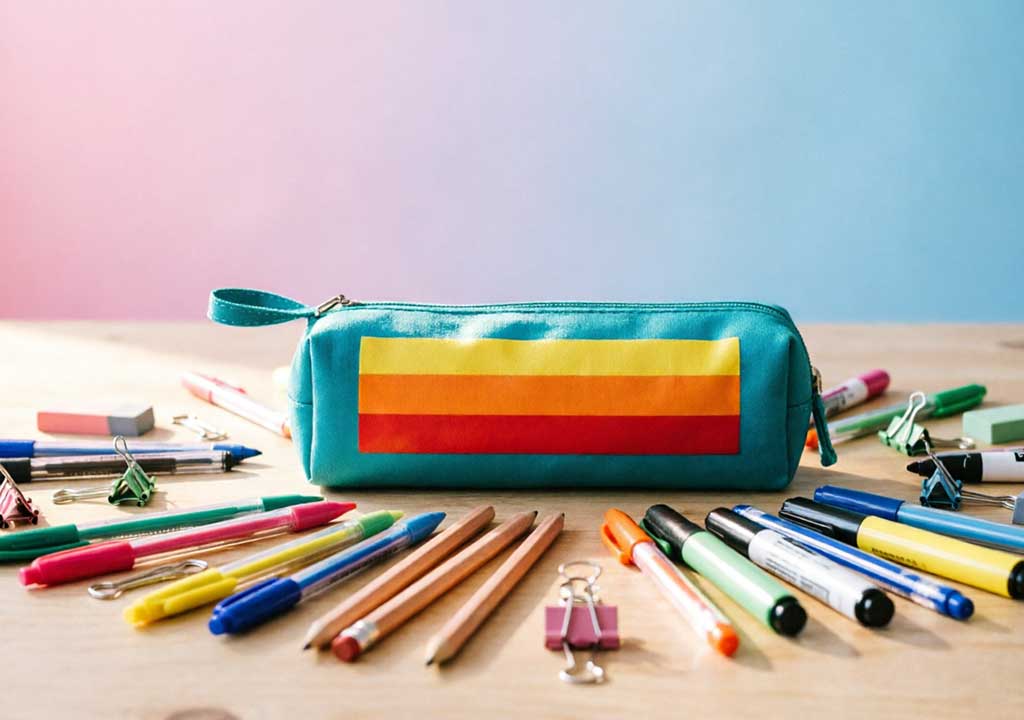
Pack It Right: What to Put in Your Everyday Pencil Case

Pack It Right: What to Put in Your Everyday Pencil Case
Every day is a little different, but the essentials stay the same: a reliable set of writing tools, a few handy accessories, and a well-organized pocket-sized workspace. Your everyday pencil case can be more than a bag of odds and ends; it can be a compact command center that helps you stay focused, write clearly, and move smoothly from task to task. Whether you’re a student juggling notes and exams, a professional who scribbles ideas during meetings, or a creative who loves doodling and planning, the items you choose and how you arrange them can shave minutes off every process and reduce stress during a busy day.
In this guide, we’ll explore how to select the right items, how to categorize them for easy access, and how to tailor your kit to your routine. Along the way, you’ll find practical packing tips, eco-friendly choices, and budget-smart ideas so you can build a pencil case you’ll actually use—and enjoy. All of the advice here is written with everyday practicality in mind: simple tools that do their job well, without weighing you down with gimmicks or bulk you’ll never reach for.
Let’s start by understanding why the right pencil case matters, and how a thoughtfully assembled kit can fit into almost any daily workflow.
Why the right pencil case matters
A pencil case is not just a place to stash writing instruments; it’s a tiny workstation you carry with you. A well-curated kit saves time in two ways. First, it minimizes the “treasure hunt” moment when you search for a sharpened pencil, a reliable eraser, or a reliable pen. Second, it helps you maintain a clean, consistent working habit. When your tools are within reach and well organized, you’re more likely to keep your handwriting legible, your notes tidy, and your thoughts flowing. Conversely, an overstuffed or chaotic case can create friction, leading to interruptions, frayed focus, and even a scattered, half-done workload.
Additionally, the items you choose say a lot about how you approach your day. A compact kit that covers the basics shows you value efficiency and simplicity. A thoughtfully curated kit that includes a few creative extras signals you’re prepared to brainstorm on the fly. And a durable case, well-sewn and resilient, signals that you value reliability. The goal isn’t to fill the case with “cool stuff” you’ll never use; it’s to curate a core set that travels light, serves you well, and adapts to different tasks and environments.
Finally, an organized pencil case can be a tiny act of self-care. When you start your day with a neatly arranged kit, you set a tone of control and readiness. It’s easier to focus on the work ahead when your tools are ready and easy to access. And as routines evolve—new classes, different projects, or shifting work patterns—your pencil case should be able to evolve with you rather than being a relic of a past season.
Know your daily routine
The perfect pencil case for you is never one-size-fits-all. It reflects your daily routine, the subjects you study or the work you perform, and the environments you inhabit. Take a moment to map out a typical day and the tasks that require writing, drafting, calculating, or quick annotations. Here are a few common scenarios and how they influence packing decisions:
- Student with a full course load: You’ll want a versatile core kit that covers writing, quick math, and note-taking across subjects. Think pencils or mechanical pencils, a reliable pen for exams, an eraser you actually like, a ruler, a small sharpener, and a few sticky notes for quick homework reminders.
- College student or professional in meetings: Your kit might lean toward clean, professional tools, plus a few items for quick planning and idea capture—fine liners, a compact highlighter set, a slim USB drive, and a stapler or binder clips for tidy handouts.
- Creative or designer on the go: Color pencils, markers, and a small eraser-friendly surface can be your best friends. You might also include a portable little sharpener, a mini ruler, and a few sticky note sheets for quick sketches and color swatches.
- Everyday tasks and errands: A simple, low-profile kit with a handful of blue or black pens, a pencil, a compact ruler, and a correction option will handle most notes, lists, and quick edits without weighing you down.
When you know your routine, you can tailor your kit to what you actually need—no more, no less. The goal is to strike a balance between completeness and compactness so your pencil case feels like a trusted toolbelt rather than a junk drawer you keep forgetting about.
The essentials: a minimal, functional core
Every everyday pencil case should start with a core set of essentials that covers the majority of common tasks. This core is deliberately compact, but it’s also flexible enough to adapt to most situations. Below are the core categories and recommended items within each.
Pencils, pens, and writing instruments
Choosing the right writing instruments comes down to your preferences for feel, line quality, and ink behavior. A practical starter set includes a mix of lead types, a trusty ballpoint or gel pen, and a mechanical pencil as a lightweight, refillable option. Here’s a balanced selection to consider:
for notes that need crisp lines and for sketching ideas lightly. - Mechanical pencil with a 0.5mm or 0.7mm lead for steady, precise writing and drafting; keep a few spare leads in your case.
- Blue or black gel/ballpoint pen for standard writing and quick notes that need to stand out from pencil.
- Red or colored pen for edits, focus marks, or color-coded notes (used sparingly to avoid clutter).
- Fine-liner or marker (0.3–0.5mm) for underlining, emphasis, or quick diagrams.
Tip: If you’re unsure which to choose, start with a single pen that you like, a mechanical pencil, and a pack of standard lead for the pencil. You can always adjust later as you settle into a routine where certain tools become your go-tos.
Erasers and sharpening tools
Erasers are the quiet workhorses of any clean workstation. The right eraser can erase cleanly without leaving smudges or tearing the paper. A good setup includes:
- A standard pink eraser for daily use and quick corrections on most paper types.
- A precision eraser or a kneaded eraser for small edits, highlights, or light shading corrections in drawings or notes.
- A compact pencil sharpener with a storage tray for shavings, ideally a single-hole or dual-hole model to accommodate different pencil sizes.
Pro tip: If you use mechanical pencils, keep a small container of spare leads in your kit so you’re never without a working pencil. For wooden pencils, a compact sharpener is essential to keep lines clean.
Rulers and small measuring tools
Precise notes and neat layouts become easy with a few compact measuring tools. Consider including:
- Mini ruler (15 cm/6") for quick measurements, margins, and straight lines in the margins of pages.
- Soccer-style or circular protractor if you frequently align angles in diagrams or geometry homework.
- Compass or circle template for sketching circles when needed, though this can be optional if space is tight.
Even if you rarely use them, having a small ruler and a couple of measuring tools in your case saves trips to the desk or classroom supply closet.
Correction and adhesive tools
Corrections tools save you from messy erasings and torn pages. Include a small selection that covers both quick fixes and long-term labeling:
- Correction tape or liquid whiteout for clean, fast corrections on typed or printed notes where you don’t want to smudge.
- Glue stick or adhesive roller for pasting receipts, photos, or small cut-outs in notebooks or planners.
- Small scissors with blunt tips for safety, useful for opening packaging or trimming notes in a notebook.
Tip: If your school or workplace prohibits certain tools (like scissors) in backpacks or purses, check the rules and consider replacing them with a multi-tool that has a safe, compact blade option or simply forgo scissors and use a pocket knife only in allowed contexts.
Organization and productivity aids
A few small, unobtrusive items can dramatically improve how quickly you find what you need and how you manage tasks throughout the day:
- Sticky notes or page flags for bookmarks, reminders, and quick annotations without writing on the pages themselves.
- Binder clips or mini-clips for keeping loose papers together when you’re out and about.
- A compact notepad or a few sheets of notebook paper for on-the-go jotting when you don’t want to pull out a laptop or larger notebook.
- A tiny index card bundle for flashcards, quick questions, or scratch work that doesn’t need a full sheet of paper.
Even these small aids can make a big difference in your ability to capture ideas when inspiration strikes while you’re in transit or between tasks.
Color, markers, and creative add-ons
For many people, the pencil case is also a playground for color and creativity. If you’re someone who colors, highlights, or diagrams as part of your study or work, a carefully chosen set of color tools can unlock a lot of value without turning your kit into a mess. Here are the essentials to consider adding:
Highlighters and underliners
Highlighters are helpful for marking key ideas, important dates, or to-do items in readings and notes. Choose a compact set with a few bright colors and an understated one for underlining. Look for:
- Chisel-tipped highlighters for broad application and quick readability.
- Smaller, precise highlighters (or underliners) for margins and subtle emphasis without overpowering the page.
- Low-odor, quick-dry formulas to avoid smudging on adjacent writing.
Tips: Limit your color palette to 3–5 hues to avoid visual clutter. Use color intentionally—e.g., one color for actions, another for definitions, and a third for ideas that you want to revisit later.
Fine liners, markers, and colored pencils
Fine liners and colored pencils can make your notes more readable and your sketches more expressive. Consider carrying a small set that covers both writing and drawing needs:
- Fine liners (0.3–0.5 mm) in black or navy for precise outlines and annotations.
- Colored pencils or a small set of markers for color-coding notes, shading diagrams, or planning layouts.
- Water-based markers for quick doodling and poster notes that dry quickly and resist smudging.
Again, keep it compact. If space is limited, prioritize one or two colors that you actually use rather than a large assortment you rarely touch.
Colored-pencils vs. crayons vs. markers: choosing what fits
Every medium has its place. If you’re primarily taking notes in a textbook or a digital environment, you might lean toward pens and markers for clarity and speed. If you frequently annotate drawings, diagrams, or design sketches, a small set of colored pencils can be more versatile and safer for different paper textures. The key is to experiment: try a month with colored pencils, another month with a marker set, and finally choose what yields the cleanest, most readable notes for your needs. Whichever you choose, maintain a small, focused palette and replace items as they run dry or become unusable.
Tech and non-tech balance: what to include
In today’s hybrid learning and work environments, you may want to add a little tech to your pencil case without turning it into a gadget bag. The goal remains to keep things compact, practical, and relevant to your tasks. Consider the following:
- A tiny USB drive for transferring notes, templates, or assignments between devices when you don’t have access to cloud storage.
- A charging cable or adapter only if you truly need it in the classroom or office, and only in the appropriate compact form factor.
- A stylus or pocket-friendly digital pen for marking up PDFs or digital documents on a tablet or touch-enabled laptop.
- A small, portable sticky note app alternative for when you prefer digital capture over paper notes.
Remember: the more tech you add, the more you risk clutter and weight. If you rarely use a USB drive or stylus, leave them out or pack them in a separate bag. The best pencil case is the one you actually reach for every day.
Case types and how to choose
The outer shell you pick for your pencil case can influence how often you carry it, how long it lasts, and how easy it is to access your tools. Here’s a quick guide to help you decide which type might work best for you:
- Fabric soft cases are lightweight, affordable, and often stand up well to daily use. They’re easy to clean, come in a range of colors, and can expand or compress based on what you carry.
- Hard-shell cases offer more protection for fragile items and can protect against accidental punctures or pressure. They tend to be a little heavier but keep contents more secure during travel.
- Rigid pouches with internal dividers can help you keep items separated by category (writing tools, color tools, accessories) for quick access.
- Minimal, single-pocket pouches work best if you’re a minimalist who carries only a handful of tools and wants effortless access.
When choosing a case, consider the size of your daily kit first. If your core tools take up most of the space, a smaller case with fewer compartments may force you to edit down to the essentials. If you like to carry a few extras for creative sessions, a larger, multi-pocket case could be more practical. Also think about the environments you frequent—bag compartments, desks, classrooms—and how accessible you want your kit to be in those settings.
Organization and space-saving packing tips
Organization is the secret to making your pencil case feel like a reliable partner rather than a source of frustration. Here are practical tips to maximize space and maintain order:
- Use compartments wisely—divide items into zones: writing instruments, erasers and sharpeners, rulers and measuring tools, and notes/adhesives. If your case has built-in dividers, label or color-code the sections so you know exactly where to return each item.
- Rotate seasonally—keep a monthly or term-based rotation list. If you’re a student, switch to a lighter set during exam weeks or swap in extra color tools during project-heavy periods.
- Keep a “one-in, one-out” rule—for every new item you add, remove one you no longer need. This prevents bloat and maintains balance between items.
- Use slim packaging—buy refills rather than full new tools when possible. For example, get replacement leads or ink refills instead of new pens.
- Label your items—consider tiny labels or color marks on caps or ends to identify function quickly, especially if you share a pencil case with classmates or coworkers.
- Incorporate a micro-spare corner—reserve a small pocket for backups: a spare lead, an extra eraser, one small notepad, and one backup pen. If you’re not using them, they’re easy to remove and replace with items you actually need later.
These strategies help you maintain efficiency and avoid the dreaded “pencil case dump”—that moment when you spill contents and have to rebuild your toolkit from scratch.
Maintenance and rotation: keeping your kit fresh
A pencil case is a living tool; it needs a little ongoing care to stay reliable. Set a simple maintenance routine that takes five minutes and you’ll reap the benefits for months:
- Seasonal clean-out—every month or two, empty the case and assess each item. Discard dried-out pens, broken pencils, and items you never use.
- Refill and replace—keep spare leads, eraser crumbs, and small replacement parts in a dedicated pocket or pouch. When a tool runs low, replace rather than wait until you are compelled to carry a new tool.
- Maintenance of the case itself—check for worn zippers, loose stitches, or torn fabric. A small repair now prevents a bigger failure later.
- Spill management—if you carry liquids or solvents, keep them isolated in waterproof compartments or consider leaving them out entirely to avoid accidents.
By treating your pencil case as a small, personal workspace that deserves regular attention, you’ll enjoy a steadier workflow and less friction during your day.
Eco-friendly and budget-conscious choices
Smart choices don’t have to cost a lot or harm the environment. Here are practical ways to keep your pencil case greener and cheaper over time:
- Refillable writing instruments—prefer pencils and mechanical pencils with replaceable leads and erasers over disposable pens.
- Recycled or durable materials—choose cases made from recycled fabrics or durable plastics that last, reducing replacement cycles.
- Multi-use tools—opt for items that serve more than one purpose (a small glue stick that doubles as an adhesive for scrapbooking, a ruler that doubles as a bookmark, etc.).
- Non-toxic and recyclable supplies—favor safe inks and phosphor-free color tools that are easier to recycle through local programs after their life in your kit ends.
- DIY case care—learn a few simple repair tricks (like stitching worn fabric or reinforcing a zipper with decorative thread) to extend the life of your case rather than replacing it.
Smart budgeting also means prioritizing quality where it matters. A high-quality mechanical pencil, a reliable eraser, and a compact case may be more expensive upfront, but they tend to last longer and perform better than cheaper, lower-quality counterparts. Think longevity and functionality, not just novelty.
A quick starter checklist (for a balanced everyday kit)
If you’re just starting to build your everyday pencil case, use this quick starter checklist to assemble a balanced, functional setup. It’s designed to be adaptable, so you can add or remove items as you discover what you actually use day to day:
- Pencils (one or two, HB or any convenient grade)
- Pen (one reliable blue or black)
- Mechanical pencil with spare leads
- Erasers (one standard, one precision or kneaded)
- Sharpener (compact, with a place to store shavings)
- Ruler (small, 15 cm)
- Correction tool (tape or liquid)
- Glue stick (for quick notes or scrapbooking)
- Scissors (rounded tip) for safety
- Sticky notes or page flags
- Binder clips or mini clips
- Notebook or notepad (compact)
- Color tools (one color set: highlighters or colored pencils)
- USB drive (optional, if you often transfer files)
Start with this baseline and tailor it to your schedule. As you use the kit, you’ll quickly learn which items are essential and which can be left behind, leading to a lighter, more efficient everyday carry.
Putting it all together: a sample packing plan
Here’s a practical example that demonstrates how you might assemble and maintain your kit for a typical school week. It’s written as a narrative you can adapt to your own routines and preferences:
Morning setup: You open the case, check your pencil, pen, and eraser, and glance at your sticky notes for reminders. The mechanical pencil goes in your dominant-hand pocket, a spare lead lives in the cap, and the ruler sits in the small outer sleeve for quick access. You keep the correction tape ready next to the notepad so you can quickly fix any misprints on worksheets or worksheets you’re formatting for class.
During class: You use the highlighter to mark key passages in readings, underline important equations with the fine liner, and jot quick questions on sticky notes that you’ll answer later. The binder clips handle loose pages, and a small piece of notebook paper sits behind your notes for new ideas that pop up mid-lecture.
Between classes: You switch to the color tools for planning a short, visual summary of your topic. A few colored pencils help you sketch a quick concept map, while a blue pen helps you draft a clean, legible summary. The USB drive is there for backing up notes from your tablet or laptop when you don’t have network access.
Evening review: You erase stray marks and tidy up your pages, then reload the kit with the next day’s assignments. You check that you have a spare eraser and a spare pencil lead to prevent interruptions the following day. You skim the maintenance checklist to confirm nothing is leaking, broken, or dried out, and you close the case with a sense of readiness for the next day’s tasks.
Of course, your own routine may look very different, but the core idea remains the same: a routine for building, using, and refreshing your pencil case helps you maintain a steady, efficient workflow.
Final thoughts: your pencil case as a habit, not a decoration
At the end of the day, your everyday pencil case should serve you, not the other way around. It’s tempting to fill a case with “the best” tools you’ve seen online or those that feel fancy in the moment. But the most valuable setup is the one that fits your real life. Start with the basics you know you’ll need, test how you work with a smaller kit, and gradually refine what’s inside based on your actual use. A well-curated kit will save you time, improve your note-taking, and make it easier to move through your day with confidence.
Remember these guiding ideas as you assemble and refine your kit:
- Function first: Choose tools that actually improve your work, not novelty items with limited use.
- Keep it light: A heavy case is a burden. Opt for lightweight tools and a compact case that you’ll want to carry every day.
- Stay flexible: Your needs change with different subjects, projects, and environments. Build a kit that can adapt without becoming a burden.
- Practice organization: A simple layout with clearly defined zones reduces chaos and makes your day smoother.
- Maintenance matters: Regular checks keep your tools fresh and ready to work when you are.
With these ideas in mind, you’ll be able to design a pencil case that truly supports your daily life. It can become less of a task and more of a trusted partner in your learning, work, and creative moments. Pack it right, and you’ll find that the right tools, neatly organized, can make a real difference in clarity, focus, and momentum—every single day.
Optional extras: personalize without overpacking
If you love a bit of personalization, you can tailor your pencil case without adding bulk. Consider these small, practical customization ideas that don’t derail your setup:
- Color-coded labels for different task zones (writing, drawing, planning).
- Seasonal accents like a small keychain or a fabric sleeve that doubles as a protective cover during travel.
- A tiny cleaning cloth to wipe ink smudges from screens or glasses and keep your notes neat.
Customization can make your kit feel more personal and easier to use, as long as it remains purposeful and not a source of clutter.
Closing note
A pencil case that works well is a small but mighty ally in daily productivity. It helps you stay organized, think clearly, and move through tasks with intention. By choosing a sturdy case, selecting a focused set of tools, and maintaining a simple organization scheme, you create a portable workspace that travels with you—yet never weighs you down. Start with the essentials, tailor to your routine, and keep the end goal in sight: a reliable, efficient toolkit that enhances your day, not complicates it. May your pencil case always be ready when you are.
LIKED THIS ARTICLE? SHARE IT: