
















Smart Organization for Your Everyday Pencil Case

Smart Organization for Your Everyday Pencil Case
Whether you’re a student, a creative professional, or someone who simply loves the feel of a well-ordered desk, the humble pencil case is more than a container for pens. It’s a compact toolkit that travels with you from bag to classroom to workspace, a tiny command center where ideas are born and notes are kept safe. The goal of smart organization is not to cram as much as possible into a single pouch, but to create a system that makes items easy to find, reduces stress, and helps you stay productive throughout the day. In this guide, you’ll discover practical strategies to transform your everyday pencil case into a reliable, efficient, and even enjoyable part of your daily routine.
Why organization matters in a small space
When space is limited, efficiency becomes a superpower. A well-organized pencil case saves you seconds on every task—replacing frantic digging with quick, confident access to the exact tool you need. It also helps you avoid buying duplicates of items you already own, minimizes wear and tear on your supplies (no bending hooks and bent paper clips in the bottom corner), and reduces waste because you’re more conscious of what you actually use. Beyond practicalities, organization nurtures a calm mindset. When your tools are neatly arranged, your brain follows suit: tasks become clearer, decisions are easier, and your creativity can flow without the distraction of clutter.
Start by assessing your current setup
Before you can design a smarter system, you need a honest snapshot of what you already have and how you actually use it. Gather your current pencil case, a clean surface, and a few minutes of undisturbed time. Consider these questions: Which items are used daily and which sit unused most weeks? Are you carrying duplicates or items you don’t know how to use efficiently? Do you struggle to close the case because it’s overstuffed, or does it feel too sparse to be useful? Note the items that disappear into the bottomless pocket of your bag and the ones that regularly jump out of the case when you open it. Your answers will point you toward the kinds of compartments, pouches, and labeling you’ll need.
Next, measure the case itself. If your case is under 6 inches long, you’ll need ultra-compact organizers; if it’s a larger lid-and-dib style, you can afford more zoning. Consider the kind of closure: zippers offer a secure seal for small items, while flap designs can be quicker to access. Most modern pencil cases use lightweight fabrics with built-in compartments, but you might find that a simple zip pouch with a few dividers works best once your gear is sorted. The goal is to map a footprint on the inside that aligns with how you actually reach items, not how you wish you would reach them.
Quick wins you can implement today
Decluttering is the fastest way to gain immediate benefit. Try these quick wins to see instant improvements:
• Remove duplicates: If you own more than two sharpeners, one eraser, and three black pens, choose your favorites and retire the rest to a drawer.
• Eliminate non-essentials: If you never use a mini stapler on a day-to-day basis, relocate it to a desk drawer to free up space.
• Simplify the colors: Pick a small palette of ink colors you actually use—two blues, one black, one red—and pare down the rest.
• Purge dried-out supplies: Replace dried-out markers, bent pencils, and cracked erasers with fresh versions.
• Clean the interior: Wipe the lining to remove pencil shavings and stray lint; a clean interior feels like a fresh start.
With these micro-changes, you’ll feel a lighter, more functional case in minutes. The next steps build on that momentum, turning your quick fixes into a lasting system.
Choosing the right containers and organizers
The core of smart organization is modularity. A good pencil case is not a single blob of storage, but a smart arrangement of zones that keeps similar items together and makes them easy to grab. Here are common options and how to use them:
• Slim zipper pouches or mini wallets: Great for small items like erasers, lead refills, and precision blades. They’re easy to pull out and replace when dirty or worn.
• Clear or translucent pouches: Allow you to see contents at a glance, saving time when you’re searching for a specific item. Consider labeling or color-coding the outside for quick recognition.
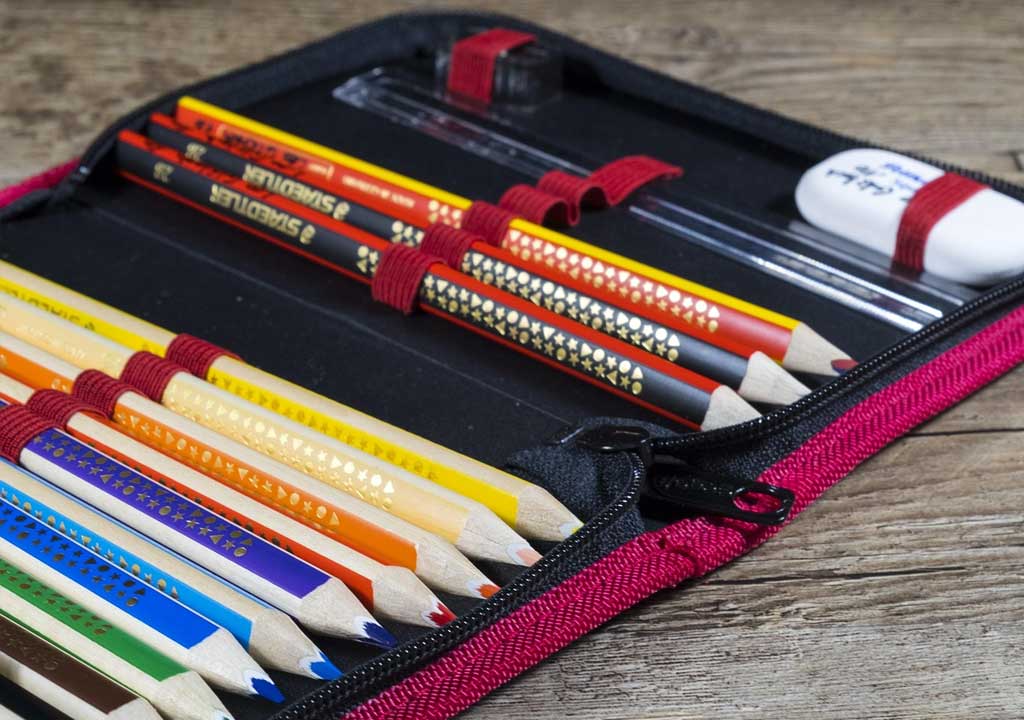
• Soft-structured cases with built-in dividers: Ideal for larger kits with multiple tools. You can customize compartments to fit rulers, scissors, or paintbrushes.
• Flexible silicone or stretch organizers: These can hold brushes, markers, or even cables in a way that doesn’t crush items.
• A dedicated “daily carry” pocket: Reserve a small, easily accessible pocket for the items you use most often—pen, pencil, eraser, and a compact sharpener.
Investing in a modular setup isn’t about spending more; it’s about spending smarter. Start with one or two organizers that match your case’s dimensions and your daily needs, then add as your routine evolves. The right layout should reduce rummaging and create a hierarchy of items by frequency of use.
The essentials: what to keep in your everyday pencil case
Every person’s toolkit varies, but most people benefit from a core set of items that reliably cover daily tasks. Here’s a practical baseline you can adapt:
• Writing instruments: A reliable pen, a sharp pencil, and a highlighter are often enough for most days. If you rely on mechanical pencils, carry a spare lead cartridge.
• Erasors and correction: A small eraser and a correction pen or fluid can save you when you make mistakes.
• Sharpener: A compact, double-hole sharpener with a catch tray keeps shavings contained.
• Ruler or scale: A small flexible ruler or dual-sided ruler comes in handy for quick measurements or layout.
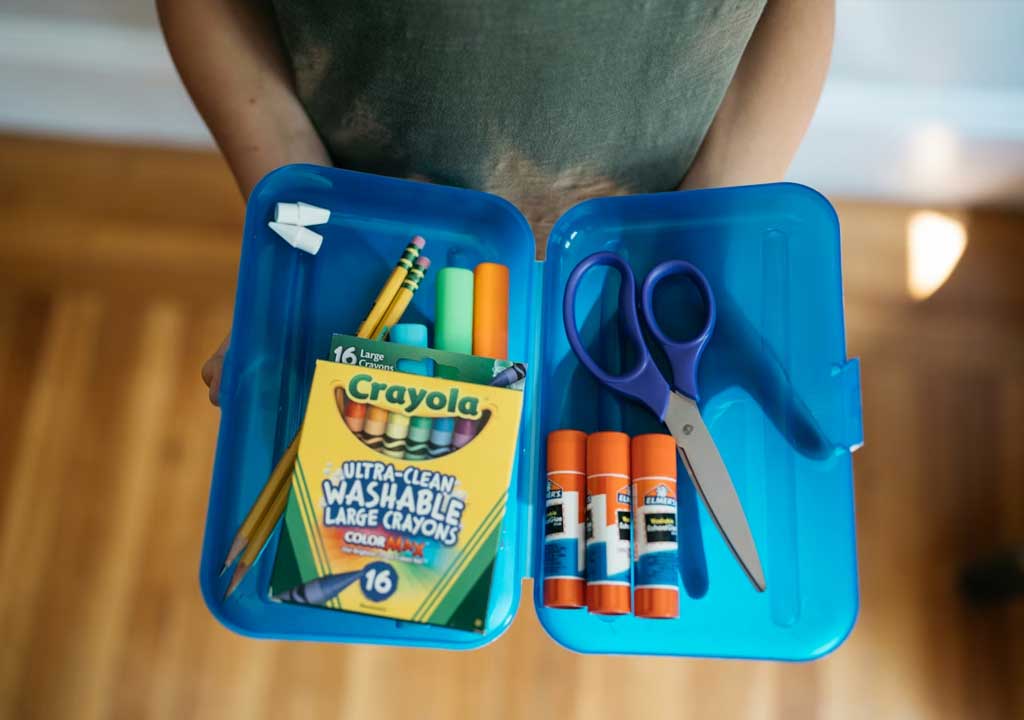
• Mini scissors or utility blade: If you work with paper crafts or clipper tasks, a tiny scissors can be a lifesaver; keep it safely stowed.
• Tape and adhesive: A tiny roll of washi tape, a glue stick, or double-sided tape can handle quick fixes.
• Staples or staples-free options: If you’re in a setting that requires staples, include a small supply; otherwise, skip.
• Miscellaneous: A tiny glue stick, a USB stick for digital backups, a small mirror for on-the-go checks, or a tiny brush for cleaning screens.
Tailor this list to your actual tasks. If you’re a designer who uses color codes and markers daily, you might replace the highlighter with a set of thin markers and a color-coding tag. If you’re a student who relies on calculator apps, you may skip the ruler and rely on your phone for measurements. The point is to lock in a core, dependable kit that fits your real life, not a hypothetical one.
Zoning your pencil case: daily use, occasional use, backups
Creating zones within your case helps you find things in seconds and reduces the chance of items shifting around during transit. Think of your zones as three layers of accessibility:
• Daily use zone: The items you reach for every morning or every class—your pen, pencil, eraser, small sharpener, and perhaps a highlighter. This zone should be near the top or center of the case for easy reach.
• Occasional use zone: Items you don’t use every day but need sometimes, like a ruler, a tiny pair of scissors, or a spare USB drive. These can live in a secondary pocket or a zip compartment away from the daily items to avoid clutter.
• Backups and extras zone: Overflow items, spare leads, extra erasers, or a secondary set of essentials that you only pull out when needed. Keep these in a separate pocket or a pouch at the bottom of the case.
Labeling becomes meaningful when you can train your brain to reach for the daily zone first. If you aren’t a fan of labels, you can still apply color codes or simple icons (for example, blue for daily items, green for backups) to make the zones intuitive at a glance.
Building a foolproof packing routine
A routine turns organization from a one-time task into a sustainable habit. Here’s a simple, repeatable process you can adopt:
1) End-of-day audit: Before you close your bag, take 60 seconds to check whether you left anything essential at your desk. If so, return it to its zone.
2) Restocking checklist: Keep a tiny card in your desk drawer with a short list of items that often run low—lead refills, erasers, replacement blades, etc. When you notice one is low, add it to your shopping list.
3) Gentle rotation: Every two weeks, rotate items in and out of the daily zone to keep your kit fresh and prevent items from going stale.
4) Clean maintenance: Wipe the interior with a damp cloth quarterly to remove dust, eraser fragments, and tiny shavings.
5) Label and adjust: If you keep neglecting certain items, try moving them closer to the daily zone or swapping them for something you’ll actually use.
Consistency is the secret sauce. A small daily ritual keeps your case predictable, which in turn reduces stress when you’re rushing between classes or meetings.
Color coding, labeling, and quick recognition
Color coding is more than aesthetics; it’s a cognitive shortcut that helps you locate items at a glance. Use a small palette of 2–4 colors to distinguish zones or item types. For example:
• Blue for daily essentials (pen, pencil, eraser, sharpener)
• Green for writing aids (highlighter, ruler)
• Orange for misc small tools (scissors, tape, glue)
• Purple for backups (spare leads, extra erasers)
If you don’t want to use colored pouches, consider color-coded labels or tiny stickers to indicate zones. Even a simple dot system on the zipper pulls can guide you to the right pocket quickly. The aim is instant recognition so you don’t waste precious time searching.
Materials and durability: choosing the right case
The best pencil case is the one that stands up to daily wear, easy cleaning, and the travel you put it through. Here are factors to consider when selecting or upgrading a case:
• Material: Canvas, nylon, neoprene, and faux leather each offer different durability, stiffness, and aesthetics. Canvas tends to be robust and easy to clean, while nylon is lighter and often water-resistant.
• Size and shape: A rectangle with a slim profile fits into most bags; a wider or taller shape can accommodate more compartments but takes more space.
• zippers and closures: Look for sturdy zippers and smooth sliders. A zipper with a fabric flap can help keep small items from snagging.
• Interior layout: Pockets, mesh panels, and removable dividers influence how you arrange your tools. Consider modular options if you frequently reorganize.
• Maintenance: If you’ll be carrying pencils and markers, you’ll want a case that’s easy to clean with a damp cloth or mild soap. Avoid materials that absorb moisture or stain easily unless you’re willing to clean them regularly.
When in doubt, test the case by loading it with your usual items and simulating a day’s use. If it feels too tight or the zippers strain, you may need a larger option or a case with more flexible dividers. The right case reduces friction, which is the first step toward smooth, sustained organization.
Maintenance: refreshing and renewing your setup
Even the best system needs occasional refreshment. Commit to a quarterly “case tune-up” that mirrors a small cleaning ritual with a touch of reorganization. Consider these steps:
• Empty and sort: Take everything out, inspect each item, and decide whether it still belongs in your daily kit.
• Clean and dry: Wash the interior if possible or wipe with a damp cloth; let it dry completely to prevent moisture damage.
• Repair or replace: Tidy up loose zippers, replace worn-out pouches, and discard items that no longer serve you.
• Reorganize: Refill and reassign items to zones based on current usage patterns.
• Update labels and color codes: If your routine has shifted, update labels or color assignments to reflect the change.
Maintenance isn’t a burden; it’s a habit that keeps you from drifting into chaos. A refreshed case feels like a small win, which compounds into bigger wins as you tackle the rest of your workflow.
Travel and school: adapting the system for different environments
The office desk isn’t the only place where your pencil case travels. Adaptability is your friend when you’re moving between classrooms, meeting rooms, or coworking spaces. Here are tips to adapt your system to different environments:
• For school: Keep a compact set of color-coded tools for quick sharing with classmates. A small spare pack of leads and erasers can be saved for group projects.
• For travel: Choose a case with a larger interior but a slim external footprint. Include a tiny spare adapter for electronics, like a USB-C or micro-USB tip, if you rely on charging cables.
• For meetings and fieldwork: Add a small notepad or a sticky-note pad and a compact tape dispenser to capture quick ideas on the spot.
• For creative work: Include a few fine-tip markers, a mechanical eraser, and a couple of short brushes if you sketch or paint on the go.
In each context, the core idea remains: your case should reduce friction and support your tasks, not complicate them. A modular, well-labeled setup makes transitions between environments effortless.
Eco-friendly and budget-smart hacks
Smart organization isn’t about spending more; it’s about making smarter choices with the resources you already own. Here are some eco-friendly and budget-smart tips:
• Reuse and repurpose: Old makeup bags, travel pouches, or extra zip pouches can become excellent organizers within your pencil case.
• Buy modular, not massive: It’s easier to replace a single broken pouch than to replace an entire case. Look for pieces that snap into place and stay organized even when jostled.
• Choose durable components: A high-quality zipper and sturdy seams can outlast multiple lower-cost alternatives, reducing waste and replacement frequency.
• Select multi-use items: A single mechanical pencil can substitute for two pencils, reducing clutter. A mini glue stick can double as an adhesive for paper crafts, saving extra tools.
• DIY maintenance: Instead of buying a new case brush or cleaning cloth, reuse a soft fabric from old clothing or a small microfiber cloth to keep your interior clean.
With some creativity, you can keep your pencil case organized without blowing your budget or harming the environment. Your future self will thank you for choosing sustainability in small choices every day.
Digital notes and analog synergy
In a world of tablets and apps, the pencil case remains an anchor for the tactile, analog workflow. The simplest way to improve synergy is to pair a few digital backups with your physical toolkit:
• Carry a small USB drive or a tiny SD card for quick backups of notes and templates you use frequently.
• Use a micro-notebook or a few sticky notes tucked in a side pocket for quick sketches, reminders, or on-the-go ideas.
• If you use a digital stylus or pen tablet, keep spare nibs or connectors in a dedicated, separate pouch within the case so you don’t mix them with writing tools.
• Maintain a minimalist digital-to-analog bridge: your daily routine should feel seamless; if you’re not using a digital backup weekly, consider removing it from the case to reduce clutter.
The goal is to have both worlds complement each other. A few carefully chosen digital backups can protect you from data loss while keeping the physical tools agile and accessible for real-time tasks.
Common mistakes and how to avoid them
Even the best-intended organizers fall into a few common traps. Here’s what to watch out for—and how to fix it quickly:
• Overloading the case: Too many items create friction; you’ll spend more time digging than writing. Solution: prune to the essentials and stash backups in a separate compartment.
• Not updating usage patterns: If you haven’t touched an item in months, it’s a sign it doesn’t belong in the daily kit. Solution: move it to a less accessible zone or remove it entirely.
• Inconsistent labeling: Without labels, you’ll revert to rummaging. Solution: implement a simple labeling system and update it as your routine shifts.
• Poor maintenance: A dirty interior clogs zippers and makes items hard to extract. Solution: schedule regular cleaning and drying intervals.
• Ignoring the case size: A case that’s too small leads to overstuffing; a case that’s too large becomes a magnet for items you don’t use. Solution: choose a size that matches your actual load and reorganize as your needs change.
By identifying and addressing these traps, you’ll stay ahead of clutter and keep your pencil case performing like a well-tuned instrument.
A simple 7-step setup plan you can start today
If you want a crisp, actionable guide to implement right away, here’s a concise plan you can follow over the next week. Each step takes about 10–20 minutes, and by the end you’ll have a durable, efficient system:
1) Empty and sort: Remove every item, group by task (writing, correcting, measuring, crafting), and decide which items are daily, occasional, or backups.
2) Choose two or three organizers: One daily-use pouch, one zone for occasional tools, and one small backup pouch.
3) Assign zones: Place daily items in the most accessible pocket; place occasional items in a secondary pocket; store backups in a dedicated zip compartment.
4) Color-code or label: Apply a simple color or icon system to each zone.
5) Test the layout: Repack with your typical day in mind; carry it around for a few hours. If something feels hard to reach, adjust the layout.
6) Clean and refresh: Wipe the interior, check for worn parts, and replace any item that shows signs of wear.
7) Create a monthly reset ritual: Schedule a quick 5-minute check to ensure your system still fits your needs and adjust as necessary.
Conclusion: your smart, simple path to everyday efficiency
A pencil case is more than a container; it’s a micro-ecosystem that supports your daily productivity. By assessing your current setup, selecting the right modular organizers, and applying a practical zoning strategy, you can transform a chaotic jumble into a nimble toolkit that travels with you smoothly. The essence of smart organization isn’t about buying the next perfect gadget; it’s about understanding how you work and shaping your tools to fit that pattern. Start with the quick wins, build a couple of zones that match your routine, and commit to a simple packing ritual. Over time, your pencil case becomes an ally—quiet, reliable, and ready to help you capture your next idea, sketch your next plan, and write your next sentence with confidence.
If you’d like, tell me about your current pencil case setup: its size, what you carry daily, and where you struggle most. I can tailor a personalized organization plan with a layout diagram, a shopping list for durable organizers, and a week-by-week plan to implement the system so it becomes second nature. Happy organizing, and may your days be a little brighter with every tool you can reach in an instant.
LIKED THIS ARTICLE? SHARE IT: